
In healthcare, 3D bioprinting is used to create living human cells or tissue for use in regenerative medicine and tissue engineering. Organovo and EnvisionTEC are the pioneers of this technology. 3D printing is also used to manufacture precision and personalised pharmaceuticals. Aprecia Pharmaceuticals’ Spritam for epilepsy is the first and only FDAapproved 3D printed drug.
Listed below are the key healthcare trends impacting the 3D printing industry, as identified by GlobalData.
Use of 3D Printing to fight the Covid-19 pandemic
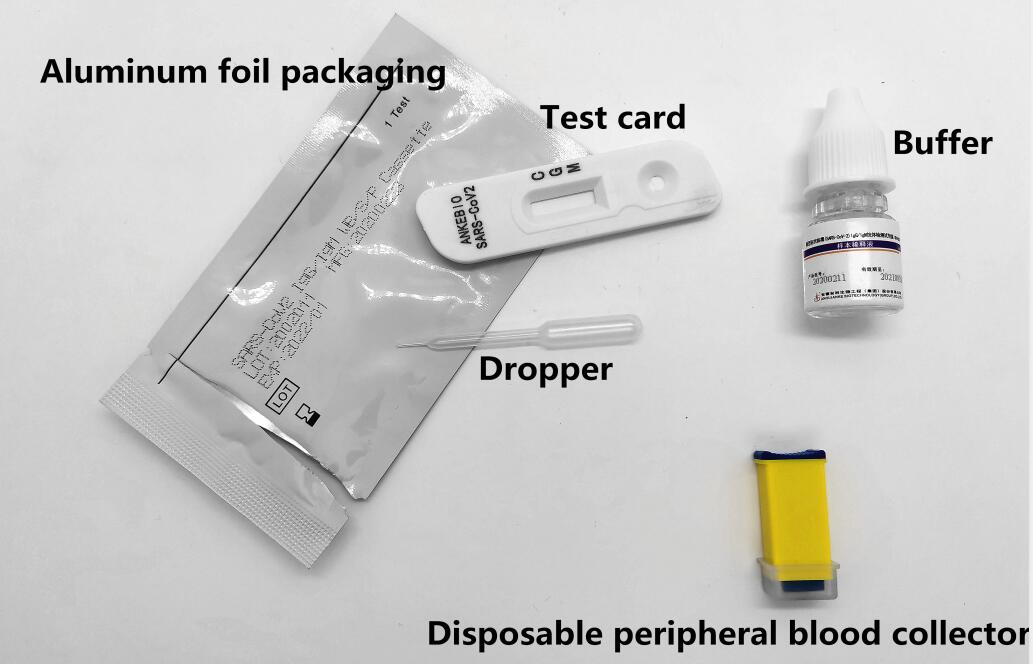
The rapid proliferation of Covid-19 has been putting great strain on healthcare systems across the world, with demand for critical medical equipment and supplies mounting. Major manufacturers to individuals, have responded to the Covid-19 crisis by supporting the production of vital medical equipment for hospitals. 3D Systems, Carbon, and Renishaw have begun designing and manufacturing open-source PPE for healthcare workers worldwide.
Use of 3D Printing in regenerative medicine
There is a major health crisis in terms of the shortage of organs, as the population is living for longer due to medical advances. Since 2013, the number of patients requiring an organ has doubled, while the actual number of available donor organs has barely moved (HRSA, 2020).
Regenerative medicine involves many different areas, using scaffolds, biomaterials, cells, or a combination of biomaterials and cells to attempt to create organs for transplants instead of relying on the current donor model. Recently, the creation of multilayered objects (tissues/organs) from soft biomaterials such as living cells and biomimetic synthetic polymers has been the most challenging technological advancement in the field.
Although many problems need to be solved for complex organs (such as the heart or liver) to be 3D bioprinted and subsequently transplanted into a patient, simple organs such as the bladder have been transplanted into patients since the early 2000s.
Use of 3D Printing in personalised/ precision medicine
3D printing offers a completely new opportunity for the development and preparation of personalised medicines at both the pharmacy and industrial scale. Introducing 3D printers to pharmacies and hospitals would allow physicians, nurses, and pharmacists to form a dose and delivery system based on the patient’s body size, age, lifestyle, and sex. This would make medicine personal to the patient, and also save money and resources.
Aprecia Pharmaceuticals is the only company with an approved 3D printed pharmaceutical, Spritam for the treatment of epilepsy.
Streamlined and more efficient R&D processes
There is a growing R&D crisis occurring in the pharmaceutical industry, as drugs are failing at later and later stages. Bioprinted tissues and organs are already being used to help increase the success rate of clinical trials. With bioprinting, researchers can print fully functional organs made of human cells to test a drug’s efficacy prior to using in vivo animal or human tests. This not only reduces the damage caused to animals, but also expedites the entire R&D process.
Accessibility
Pharmaceutical R&D and production is expensive. In many Western countries, the cost is supplemented in some way by the government, but in other areas worldwide, particularly poverty-stricken countries, there is simply no viable way for these patients to afford treatment. Additive manufacturing promises to bridge that divide. 3D printing is already being implemented to produce pharmaceuticals by the US company Aprecia.
Prosthetics have historically been expensive. Certain organisations have been designing prosthetics that can be 3D printed from commercially available, affordable desktop printers.
Diagnosis and medical training
3D printing of models affords further insights into pathological changes, as well as a visualisation of patient-specific organ anatomy. The education and surgical planning fields are two of the heaviest investors in 3D printing for the healthcare industry.
Leveraging additive manufacturing as a pre-operative planning tool has shown extremely promising results. The influx of organs required for transplant, particularly livers and kidneys, together with the scarcity of cadavers ...

























 (All Rights Reserved)