
Emerald Health Pharmaceuticals Inc. (EHP), a company developing medicines based on cannabinoid science, today announced the initiation of enrollment of its Phase I clinical trial of EHP-101, an oral formulation of a patented, synthetic new chemical entity (NCE) derived from cannabidiol (CBD) and chemically modified to affect other validated targets. The primary objectives of the study are to evaluate the safety and tolerability of EHP-101 in healthy volunteers. Secondary objectives are to assess the pharmacokinetic profile, food effects, and pharmacodynamic effects of EHP-101, as well as to evaluate various biomarkers related to the drug product mechanism of action and its potential for efficacy.
"Our research and development team has demonstrated the unique mechanism of action of EHP-101 in preclinical studies, indicating the potential to treat deadly diseases which currently have no cure", said Jim DeMesa, MD, Chief Executive Officer of EHP. "We believe our novel, proprietary oral treatment represents a significant advancement in the treatment of patients with multiple sclerosis (MS) and scleroderma. The initiation of human studies is a major accomplishment as we continue to advance cannabinoid science and deliver on another important development milestone. Based on our recent pre-IND meeting with the U.S. FDA, we believe the results from this Phase I study are likely to support Phase II studies in both MS and scleroderma."
This Phase I trial, being conducted in Australia, is a randomized, double-blind, placebo-controlled study and will be completed in two parts: a single-ascending dose phase (Part 1) and a multiple-ascending dose phase (Part 2). In Part 1, up to 64 eligible subjects will receive EHP-101 or matching placebo in single ascending oral doses. In Part 2, up to 40 eligible subjects will receive EHP-101 or matching placebo in multiple ascending oral doses daily (as determined on the basis of results in Part 1). The Company expects to report top-line results in mid-2019. For more information on the study, please contact EHP at info@emeraldpharma.life.
About EHP-101
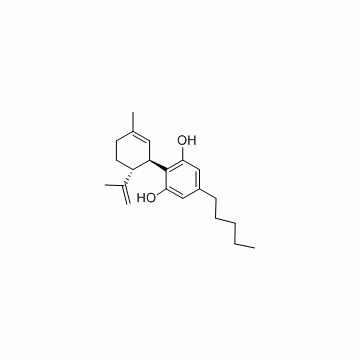
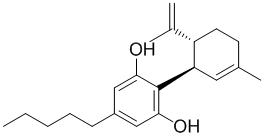
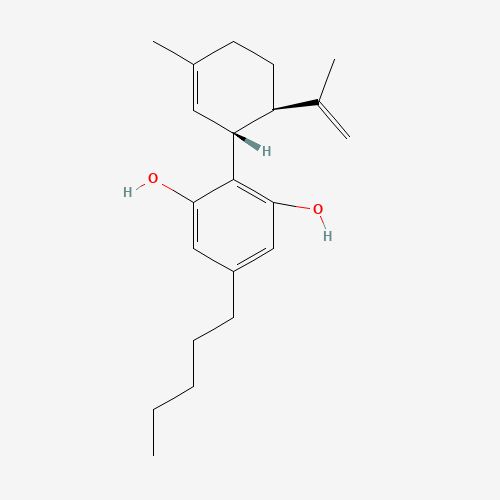
EHP-101 is an oral drug product candidate based on a proprietary aminoquinone NCE derived from CBD. It has been designed to enhance the therapeutic benefits of CBD by increasing peroxisome proliferator-activated receptor-gamma (PPARγ) and cannabinoid receptor type 2 (CB2) agonist activity, and also by stimulating the hypoxia inducible factor (HIF) pathway. Multiple scientific publications indicate that PPARγ and CB2 receptor activation and modulation of the HIF pathway can positively affect neuroinflammation and myelination in the central nervous system, and fibrogenesis throughout the body. EHP holds issued patents on EHP-101 and other new chemical entities in this class of synthetic CBD-derived molecules. EHP-101 has been granted Orphan Drug Designation for the scleroderma indication by the U.S. FDA and the European Medicines Agency.
About Multiple Sclerosis
MS is one of the most common acquired neurological diseases in young adults. The National Multiple Sclerosis Society estimates that more than 2.3 million people are affected by multiple sclerosis worldwide. Disease progression is considered the result of two related processes, namely myelin destruction (demyelination) with failure to remyelinate and progressive axonal damage, with little capacity for recovery. Exacerbated innate and adaptive immune responses contribute to the pathophysiology of the disease and the majority of current therapies for MS are directed towards modulation of the immune response. Novel therapies to enable axonal remyelination are urgently needed. HIF-1α activation may exert anti-inflammatory properties and may be also linked to neuroprotection and remyelination.
Natural CBD has been shown to have anti-inflammatory, neuroprotective, and anti-oxidant effects that may act on neurodegenerative diseases such as MS, and EHP-101 builds on the effect of this natural cannabinoid. It is a synthetic aminoquinone derivative of CBD endowed with dual PPARγ and CB2 activity, which also targets the HIF pathway, which are all validated therapeutic targets for MS.
About Scleroderma
Systemic scleroderma (or systemic sclerosis) is a rare and chronic autoimmune disease, causing fibrosis of skin and internal organs and can also affect blood vessel...
































 (All Rights Reserved)