*The following content is generated by AI and is for reference only.
Overview
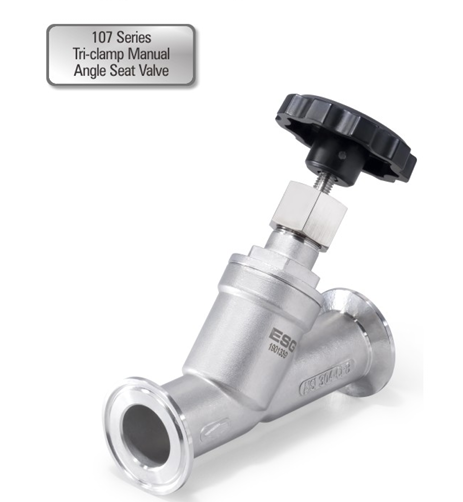
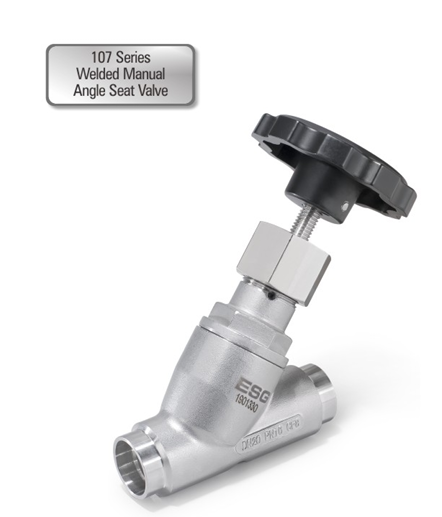
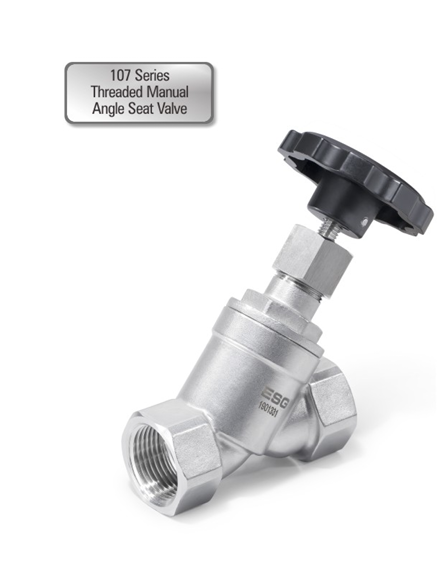
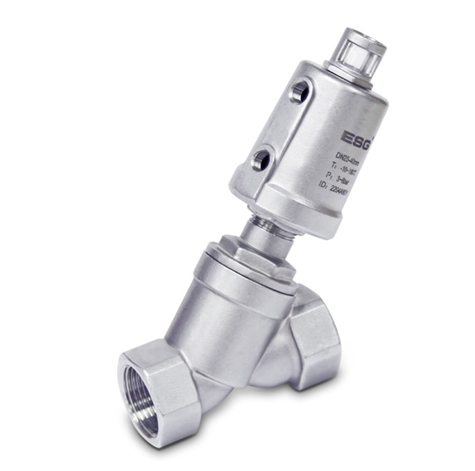
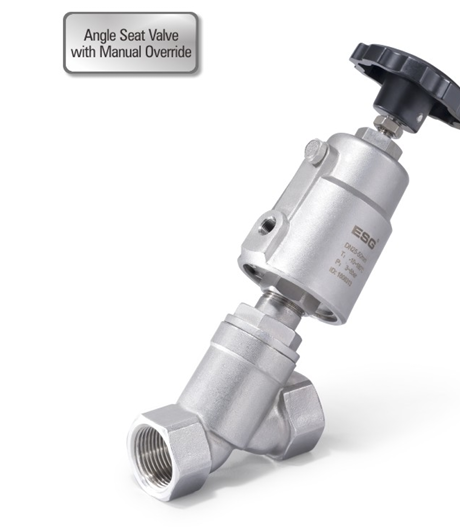
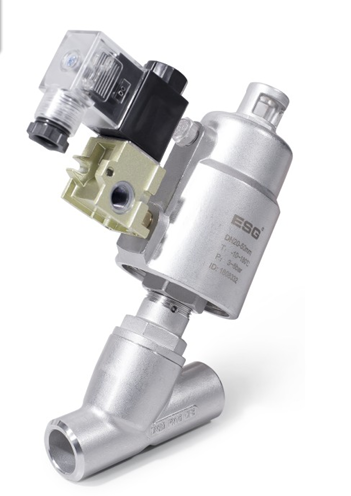
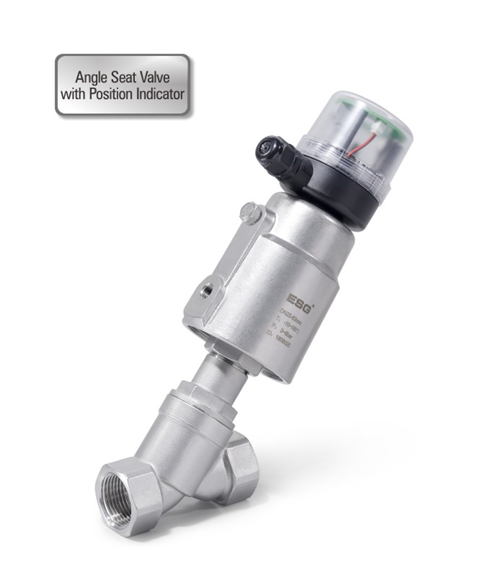
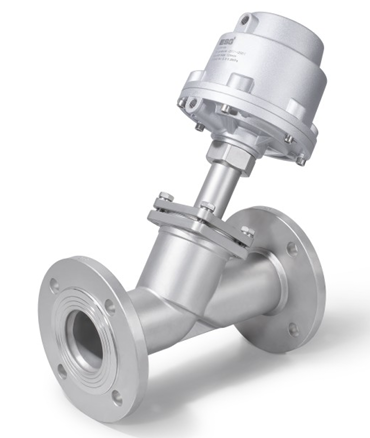
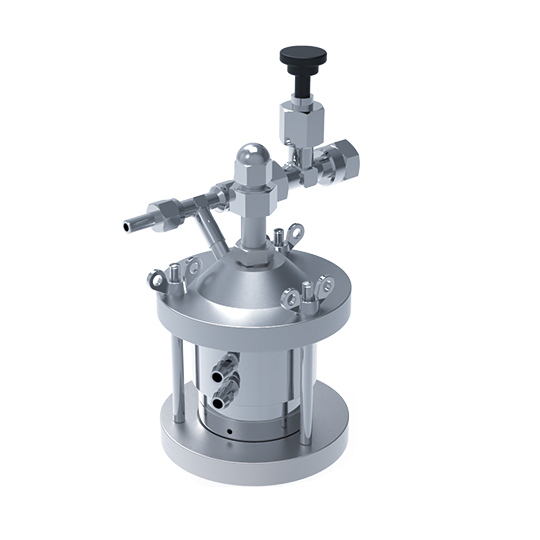
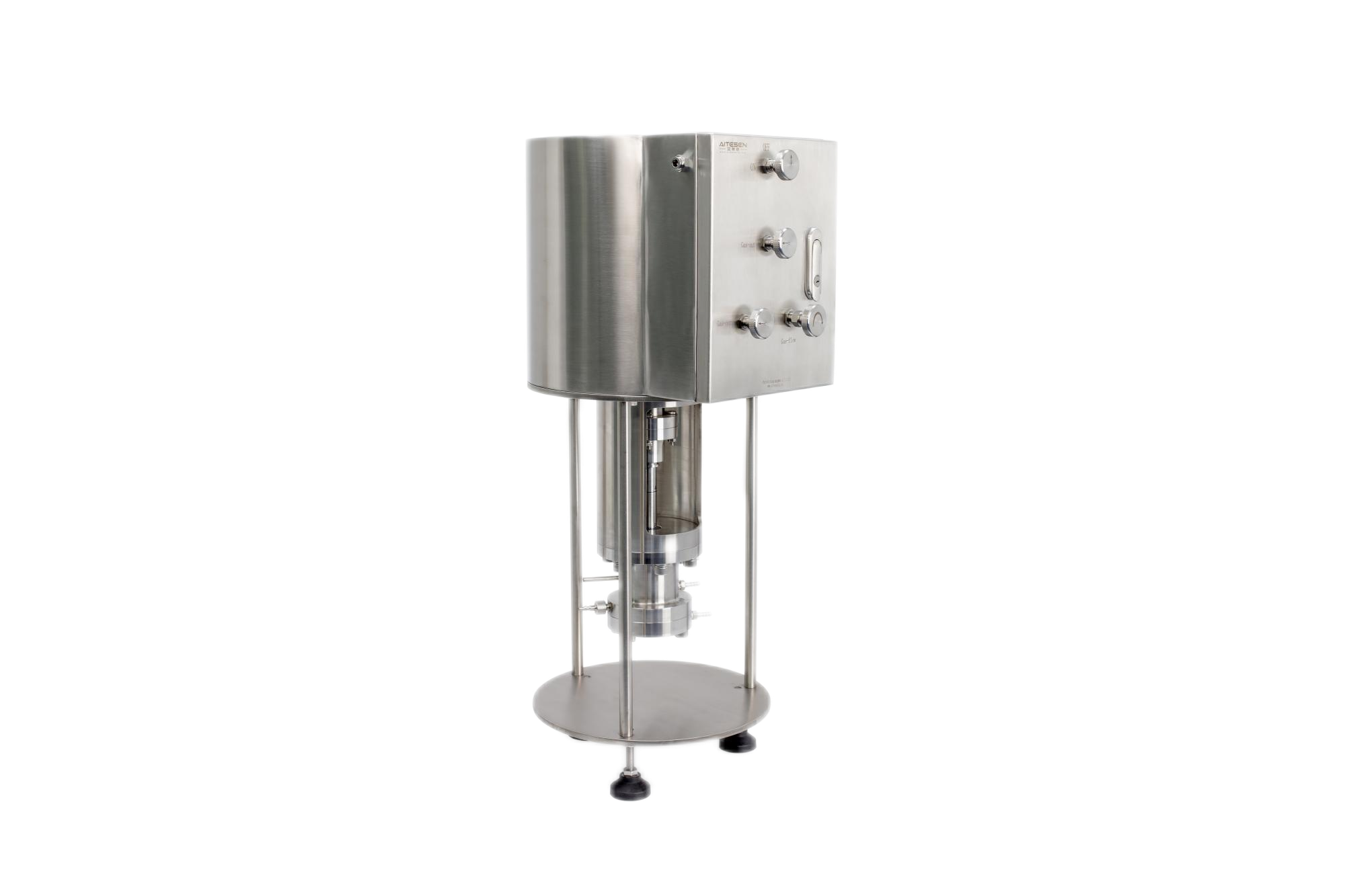
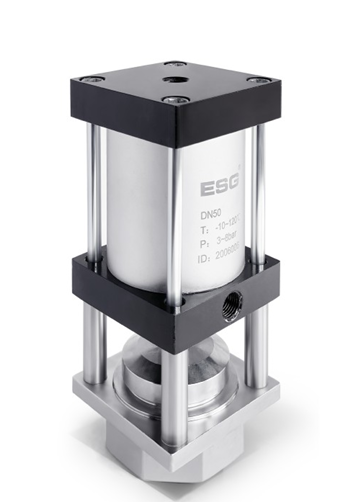
An industrial exhaust valve is a critical flow control device designed to release excess pressure or vent gases from pressurized systems. Typically constructed from high-grade stainless steel or alloy materials, these components adhere to rigorous manufacturing standards such as ASME B16.34 to ensure durability and leak-tight performance under extreme thermal and mechanical stress.
Application
- Power Generation: Used in boiler vents and turbine exhaust lines for steam management.
- Petrochemical: Essential for safety relief in reactors, distillation columns, and storage tanks.
- HVAC & Ventilation: Integrated into large-scale ductwork to prevent backflow and regulate air pressure.
- Marine Engineering: Applied in engine exhaust systems and ballast tank ventilation.
Precautions
- Conduct regular visual inspections for corrosion, seat erosion, or actuator malfunction.
- Ensure proper installation torque to maintain seal integrity against flange gaskets.
- Schedule periodic replacement based on operational cycles to prevent catastrophic failure.
- Verify compatibility with process media temperature and chemical composition before deployment.