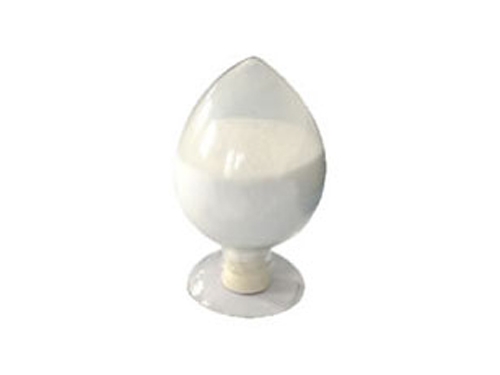
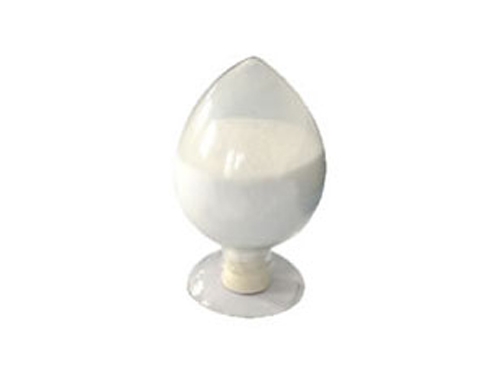
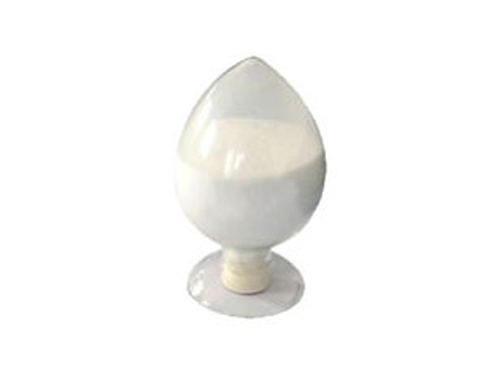
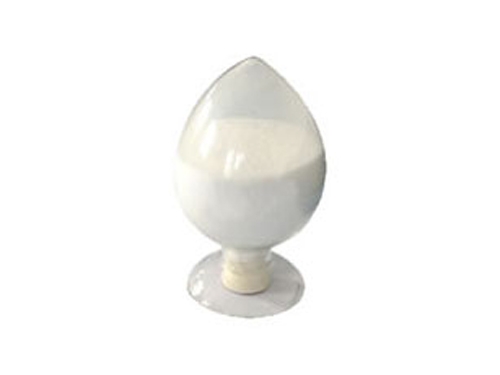
Aloe Vera P.E.
Botanical Source: Aloe Vera L.
Used Part: Leaves
Specification: 100:1
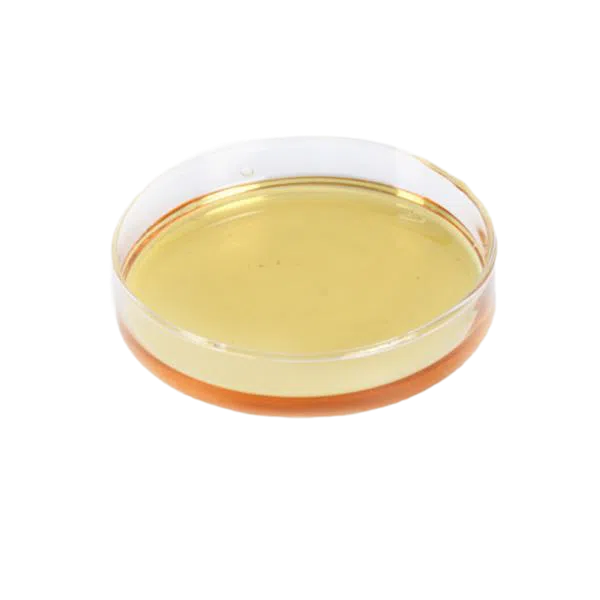
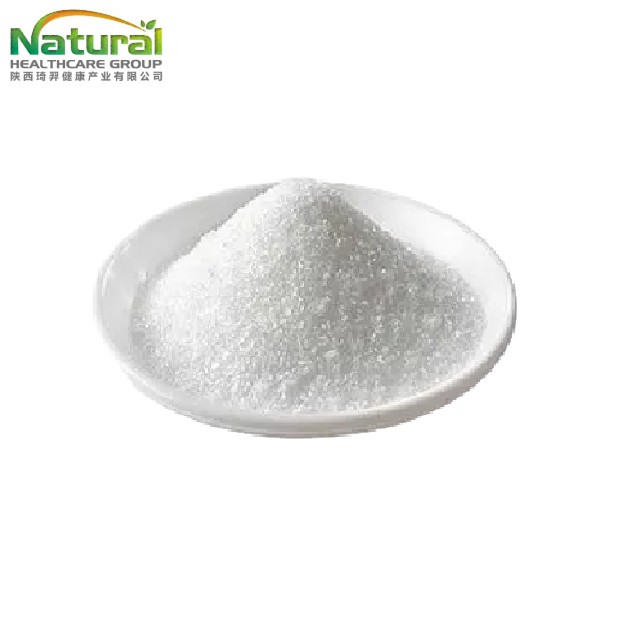
Appearance: Brown-Yellow
Test Method: TLC
Bulk density: 0.35-0.75g/mL
Moisture: <5% Ash: <5%
Description:
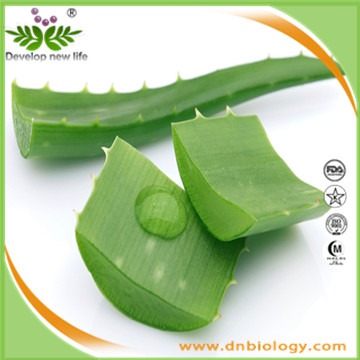
Aloe vera is a succulent plant species that is found only in cultivation, having no naturally occurring populations, although closely related aloes do occur in northern Africa. The species is frequently cited as being used in herbal medicine since the beginning of the first century AD.
Aloe vera is a stemless or very short-stemmed succulent plant growing to 60–100 cm (24–39 in) tall, spreading by offsets. The leaves are thick and fleshy, green to grey-green, with some varieties showing white flecks on their upper and lower stem surfaces.
Function:
1. Relaxing the bowels, expelling of toxin.
2. Promoting wound healing.
3. Preventing cancer and anti-aging.
4. Whitening, keeping skin moistened and dispels spot.
Application:
1. Applied in food additives, it is used as nutritious supplementary pharmaceutical.
2. Applied in pharmaceutical field, it is used to treating constipation and expelling of toxin and treating.
3. Applied in cosmetics field, it owns the effect of whitening, dispelling spot, anti-wrinkle, activating skin cells, making skin more tender and firm.
*The following content is generated by AI and is for reference only.
Overview
Aloe Vera P.E. is a standardized extract derived from Aloe barbadensis miller leaves via solvent extraction and spray drying. It primarily contains polysaccharides, anthraquinones, and vitamins. CAS No: 68037-92-5.
Application
- Cosmetics: Moisturizing agents in creams and serums for skin hydration.
- Nutraceuticals: Dietary supplements supporting digestive health and immunity.
- Pharmaceuticals: Excipients in topical formulations for wound healing.
Precautions
Store in cool, dry conditions below 25°C to prevent degradation. Avoid ingestion of high-dose latex-containing fractions due to laxative effects. Ensure compliance with local cosmetic and food additive regulations before commercial use.