Angelica P.E.
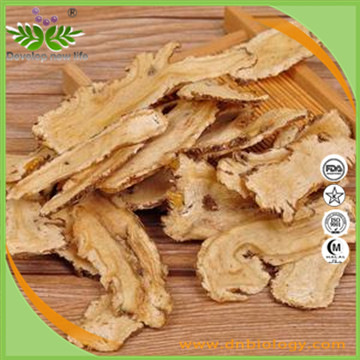
Botanical Source: Angelica sinensis (Oliv.) Diels
Used Part: Root
Specification: 4:1
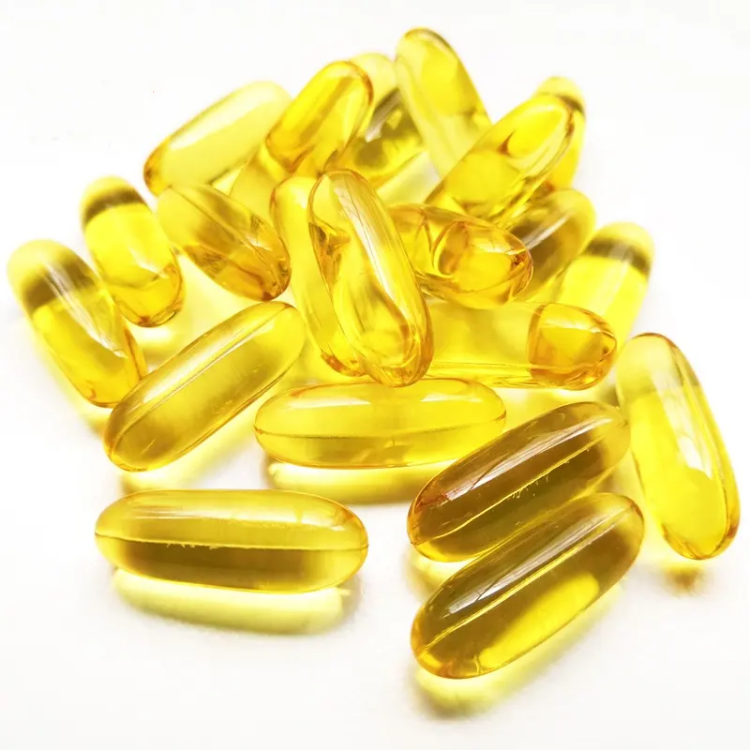
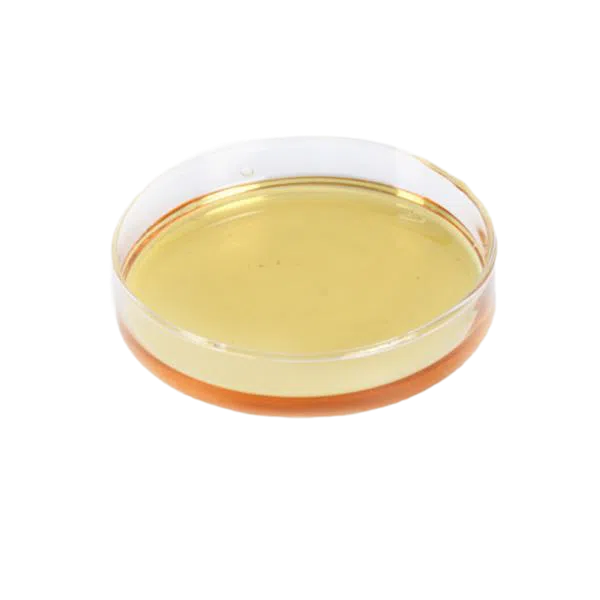
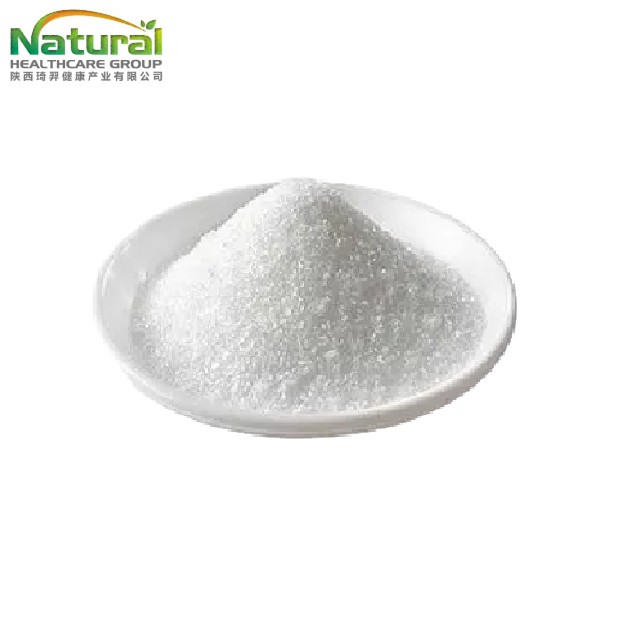
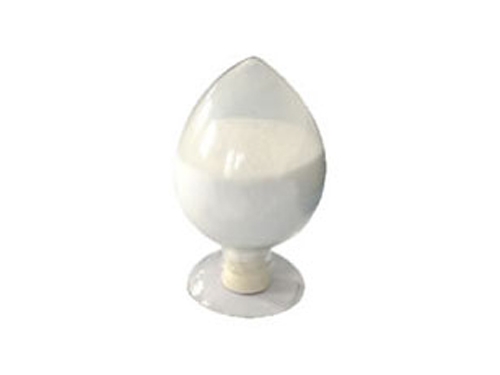
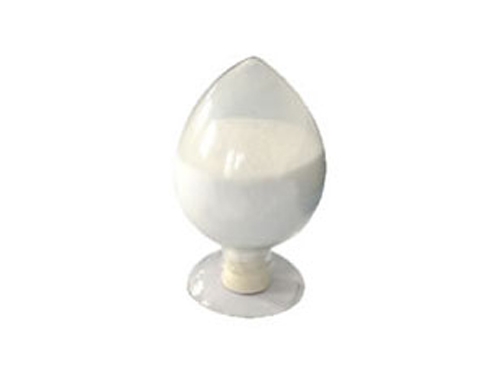
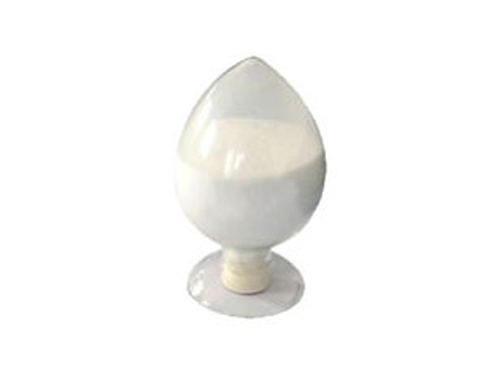
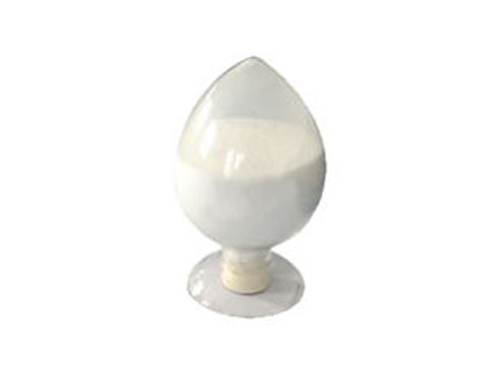
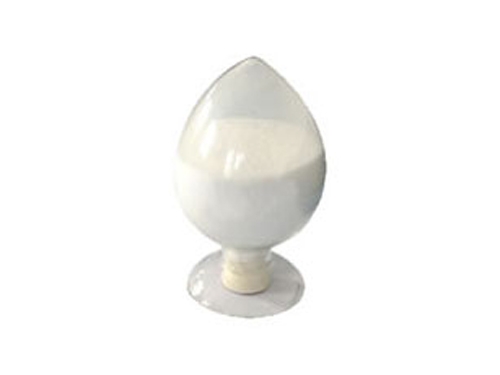
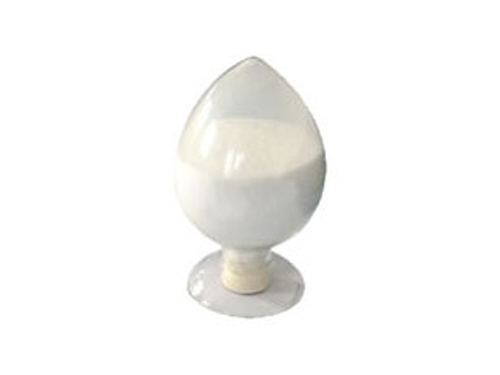
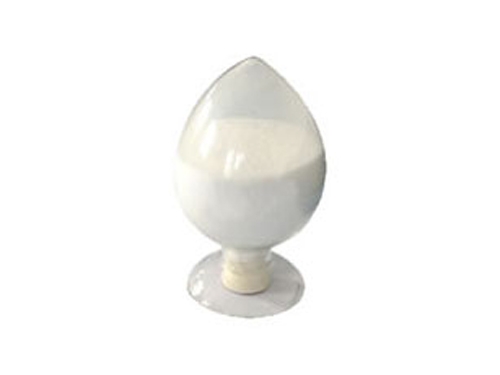
Appearance: Brown-Yellow
Test Method: TLC
Bulk density:0.35-0.75g/mL
Moisture: <5%
Ash: <5%
Description:
Angelica is a genus of about 60 species of tall biennial and perennial herbs in the family Apiaceae, native to temperate and subarctic regions of the Northern Hemisphere, reaching as far north as Iceland and Lapland. They grow to 1–3 m tall, with large bipinnate leaves and large compound umbels of white or greenish-white flowers.
Angelica sinensis (Latin name: Angelica sinensis) has been used in traditional Chinese medicine and Native American medicine for centuries. The plant is related to both parsley and celery and is most commonly used to treat cramps and pain during menstruation as well as to ease some of the symptoms of menopause (hot flashes, night sweats). Dong quai is frequently referred to as "female ginseng" to suggest its "balancing" or adaptogenic effect on the menstrual period.
Function:
1. Balancing effect on the female hormonal system, regulating monthly periods.
2. Remedy cardiovascular disease, including high blood pressure.
3. Treating anemia, and assisting women through the difficult transition of menopause
Application:
Pharmaceutical stuff & Functional food.
*The following content is generated by AI and is for reference only.
Overview
Angelica P.E. is a concentrated extract derived from Angelica sinensis via ethanol extraction. It contains bioactive compounds like ferulic acid and phthalides, serving as a standard ingredient in nutraceuticals and cosmetics. CAS: 84650-17-9 (Ferulic Acid component).
Application
- Nutraceuticals: Blood circulation support formulations.
- Cosmetics: Anti-aging serums and skin brightening creams.
- Food Industry: Functional beverage additives for antioxidant properties.
Precautions
Store in cool, dry conditions away from direct sunlight. Avoid use during pregnancy due to potential uterine stimulation. Handle with gloves to prevent dermal irritation.