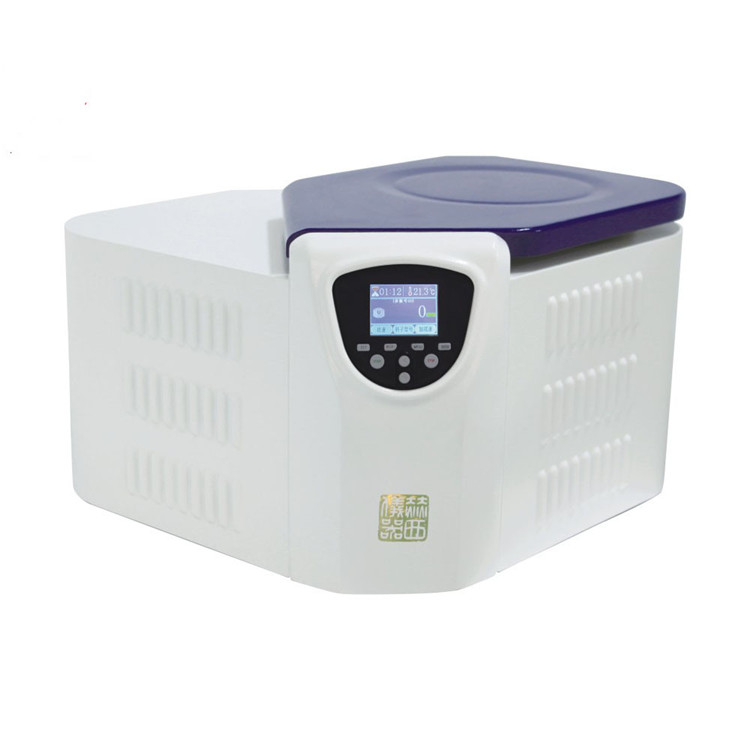
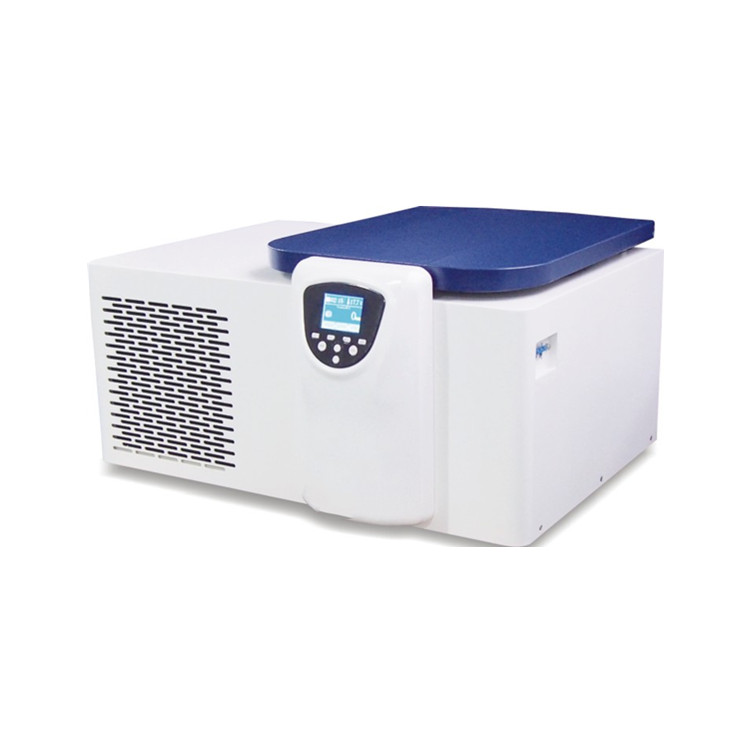
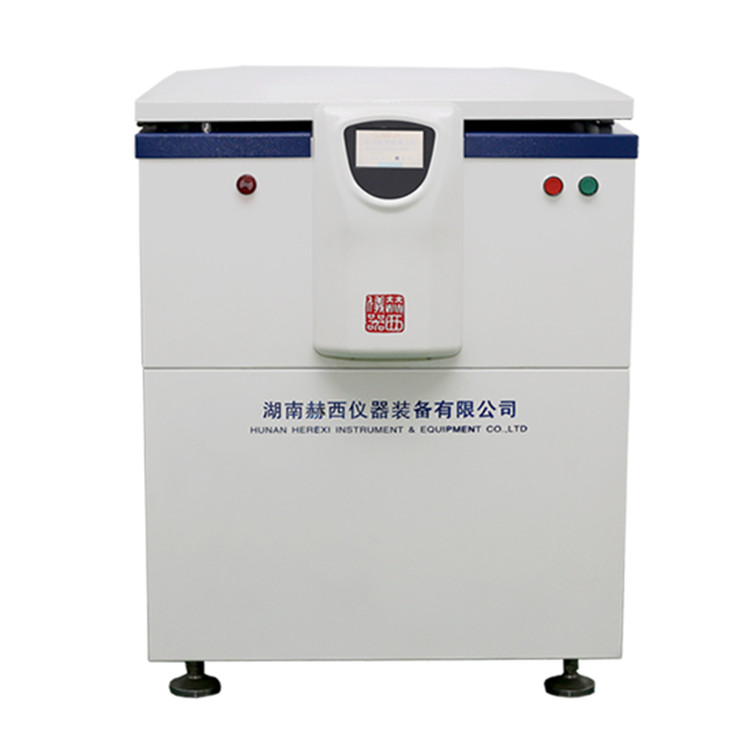
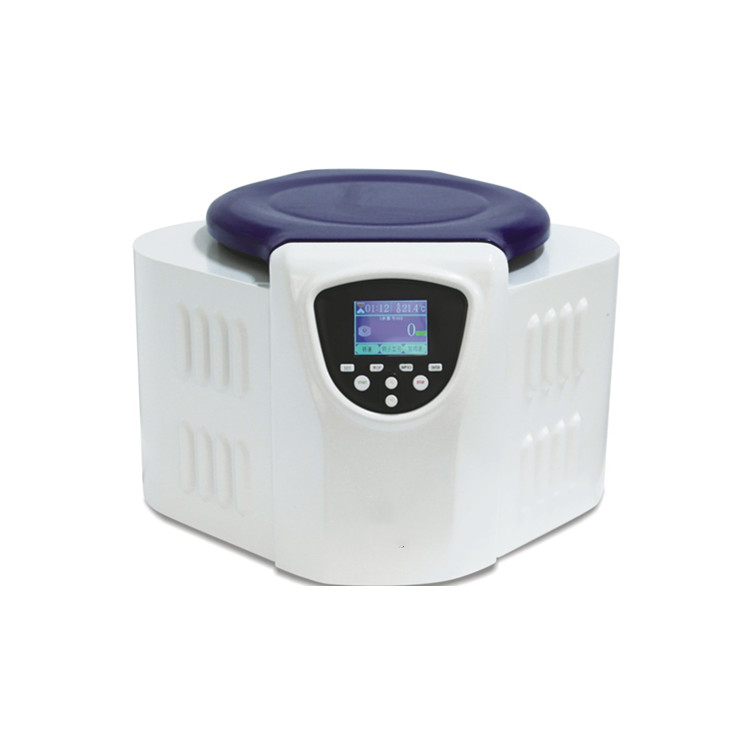
Product Description
please call me , to know more
AI Product Description
*The following content is generated by AI and is for reference only.
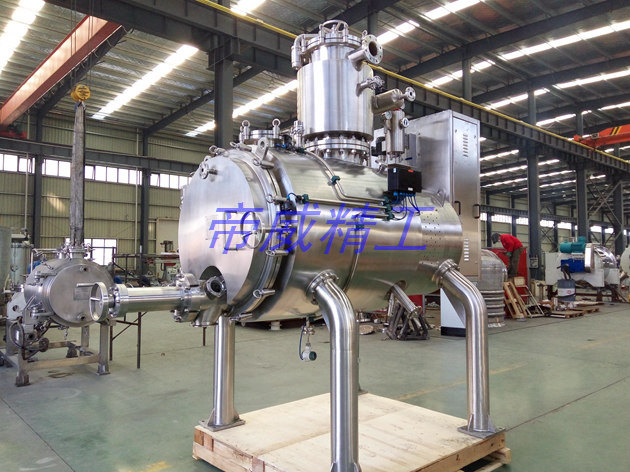
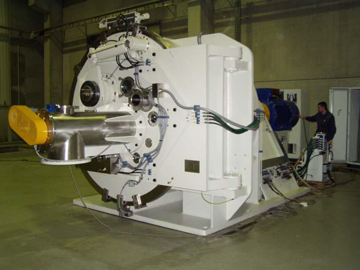
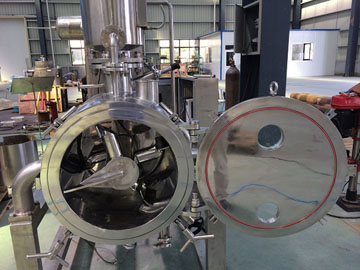
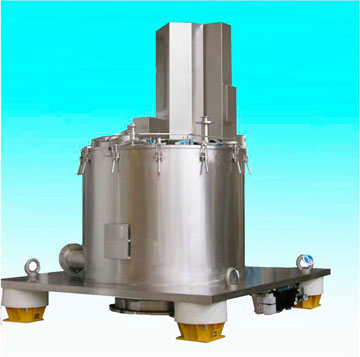
A **Bottom Discharge Centrifuge** (often referred to as a bottom discharge decanter or solid bowl centrifuge) is a specialized type of industrial centrifuge designed to separate solids from liquids with continuous operation and automated cake removal. Unlike top-discharge models where solids are removed via an opening in the bowl lid, this design ejects the separated solids (cake) through an opening at the very bottom of the rotating bowl.
Here is a detailed breakdown of its working principle, applications, advantages, and typical use cases:
### 1. Working Principle
The machine operates on the principle of sedimentation under high centrifugal force. The process generally follows these steps:
* **Feed Introduction**: The slurry (mixture of liquid and solids) enters the center of the rotating bowl.
* **Separation**: As the bowl spins at high speed, heavy solid particles migrate outward to the inner wall of the bowl due to centrifugal force, forming a "cake." The clarified liquid moves toward the center and exits over a weir or adjustable dam.
* **Cake Accumulation**: Solids accumulate along the conical or cylindrical section of the bowl.
* **Bottom Discharge**: When the cake reaches a predetermined thickness or weight (detected by sensors), the feed is stopped. A hydraulic or pneumatic mechanism opens a **discharge port at the bottom** of the bowl.
* **Ejection**: The accumulated solids are ejected rapidly out of the bottom port, often falling into a collection chute or hopper below. The bowl then closes, and the cycle restarts automatically.
*Note: In some designs, this is a semi-continuous process (batch discharge), while advanced versions can achieve near-continuous discharge using specialized valve systems.*
### 2. Key Advantages
* **Handling High-Solids Loads**: Ideal for slurries with high solid content where top-discharge machines might struggle with clogging or excessive pressure buildup.
* **Tight Cake Control**: The discharge mechanism allows for precise control over the cake thickness before ejection, which is crucial for dewatering efficiency.
* **Reduced Contamination Risk**: Since the discharge happens at the bottom, there is less risk of re-mixing solids with the clarified liquid compared to top-loading systems, provided the seal is maintained.
* **Automation**: Fully automated cycles allow for unattended operation in harsh environments.
* **Ease of Cleaning**: The bottom opening often facilitates easier access for cleaning or CIP (Clean-in-Place) procedures in sanitary applications.
### 3. Common Applications
Bottom discharge centrifuges are widely used across various industries:
* **Chemical Industry**: Separating catalysts, pigments, and crystalline products.
* **Mineral Processing**: Dewatering tailings, sand, and mineral concentrates.
* **Food & Beverage**: Processing starch, sugar, fruit pulps, and vegetable oils.
* **Pharmaceuticals**: Purifying antibiotics and separating active ingredients.
* **Wastewater Treatment**: Sludge dewatering in municipal and industrial settings.
### 4. Comparison with Top Discharge
| Feature | Bottom Discharge | Top Discharge |
| :--- | :--- | :--- |
| **Discharge Location** | Bottom of the bowl | Top/Lid of the bowl |
| **Solids Removal** | Gravity-assisted ejection; good for heavy/sludgy cakes | Manual or mechanical scraping; better for light/dry cakes |
| **Maintenance Access** | Often requires lifting the bowl or accessing the base | Usually accessible from the top without disassembly |
| **Best For** | Heavy, abrasive, or sticky solids | Lighter solids or when frequent manual inspection is needed |
### Conclusion
The **Bottom Discharge Centrifuge** is a robust solution for industrial processes requiring the efficient separation of heavy or abrasive solids from liquids. Its ability to handle high-solids loads and automate the discharge cycle makes it a preferred choice in chemical, mining, and wastewater treatment sectors where reliability and throughput are critical. If you have a specific material or application in mind, I can help tailor the selection criteria further.



 (All Rights Reserved)