*The following content is generated by AI and is for reference only.
Overview
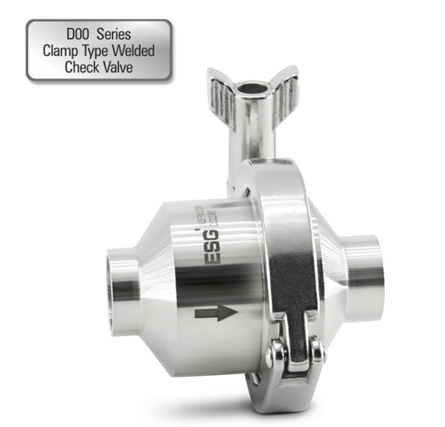
A welded check valve is a mechanical device designed to permit fluid flow in only one direction, preventing reverse flow and potential system damage. Typically manufactured from stainless steel or carbon steel, these units adhere to industry standards such as ASME B16.34 for pressure ratings and dimensions, featuring a welded body structure to ensure leak-tight integrity under high-pressure conditions.
Application
- Petrochemical Industry: Used in crude oil pipelines and refining processes to maintain unidirectional flow.
- Power Generation: Installed in boiler feedwater systems and steam lines to protect pumps and turbines.
- Water Treatment: Essential in high-pressure filtration systems and pump discharge lines.
- Marine Engineering: Applied in ballast and fuel transfer systems on ships.
Precautions
- Ensure welding procedures comply with strict quality codes to prevent structural weakness.
- Conduct regular visual inspections for external corrosion or leakage signs.
- Replace internal components if spring fatigue or disc sticking occurs during periodic maintenance.
- Verify pressure ratings match system operating conditions to avoid catastrophic failure.