Category:
Plant Extracts
CAS NO:
Damiana Leaf P.E.
Standard:
In-house Standards,

Damiana Leaf P.E.
Botanical Source: Turnera aphrodisiaca
Used Part: Leaf
Specification: Beta-sitosterol 1-10%, 20-40%
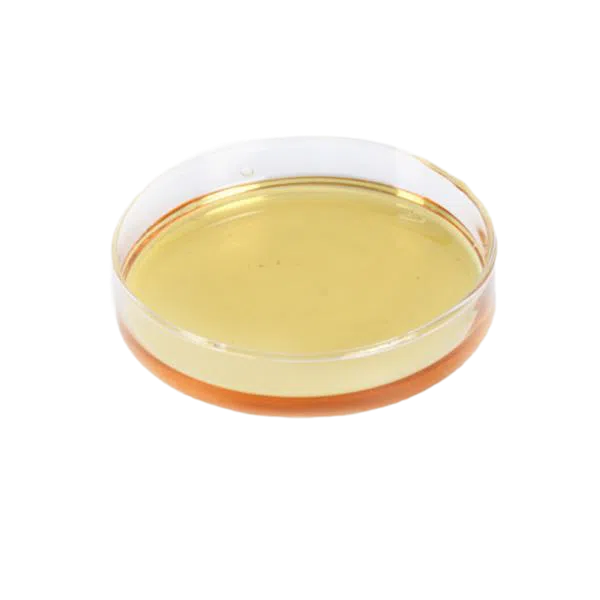
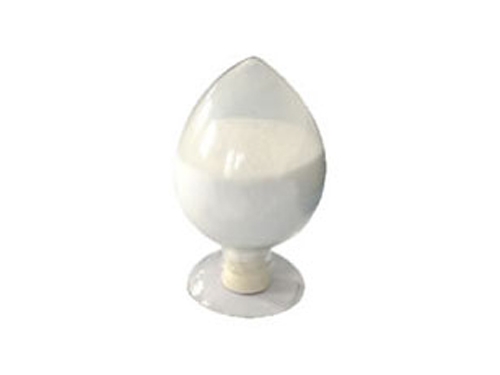
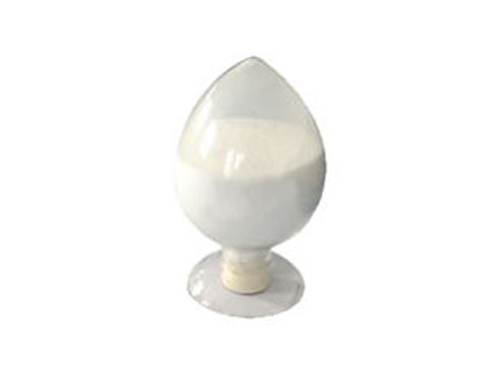
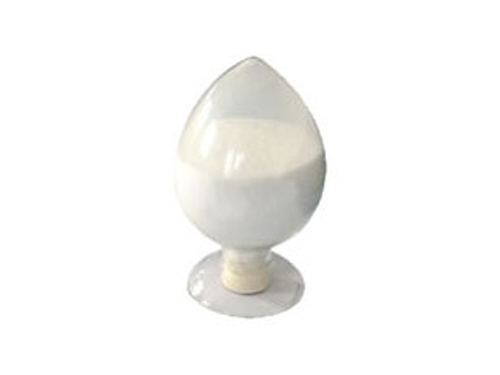
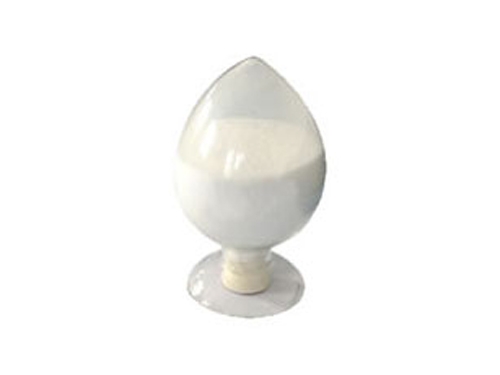
Appearance: Yellow-brown Powder
Test Method: UV
Bulk density: 0.35-0.75g/mL
Moisture: <5%
Ash: <5%
Description:
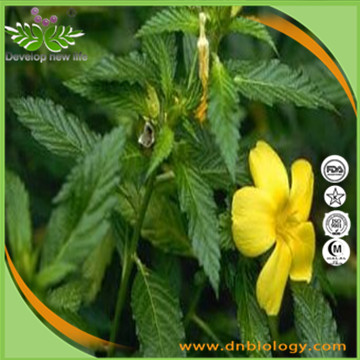
Damiana is a relatively small shrub that produces small, aromatic flowers. It blossoms in early to late summer and is followed by fruits that taste similar to figs. The shrub is said to have an strong spice like odor somewhat like chamomile, due to an oil present in the plant. The leaves have traditionally been made into tea and incense which was used by native people of Central and South America for its relaxing effects. Spanish missionaries first recorded that the Mexican Indians drank Damiana tea mixed with sugar for use as an aphrodisiac
Function:
1. This herb has traditionally been used as an aphrodisiac.
2. Damiana has anti-depressant properties and helps to boost the overall mood and bring about a general feeling of well-being.
3. This medicinal herb has hormonal balancing properties. It has been shown to help with the hormonal imbalances common with menopause in women.
4. Damiana is also used for treating mood disorders. It helps level hormonal responses and boost mood.
5. This herb has been used as a central nervous system depressant to help with CNS disorders and modify and control the nervous response.
6. It has been shown to help boost energy and reduce the effects of exhaustion.
7. Constipation is another condition that has been treated with this herb.
8. Traditional uses for damiana include; anti-anxiety, antiseptic, anti-spasmodic, cough supressant, mild laxative, digestive stimulant, expectorant, diuretic, and astringent.
Application:
Food/Pharmacy/Feed additives
Damiana Leaf P.E. is a standardized botanical extract derived from Turnera diffusa, produced via ethanol extraction and spray drying. It serves as a natural source of flavonoids and essential oils. While specific molecular formulas vary by constituent, the extract is characterized by its bioactive profile.
Storage requires cool, dry conditions below 25°C away from direct sunlight. Clinical use is not recommended for pregnant or lactating women without medical supervision. Ensure compliance with local food safety regulations regarding dosage limits.


 (All Rights Reserved) (All Rights Reserved)