Category:
Plant Extracts
CAS NO:
Fucus Vesiculosus
Standard:
ChP,

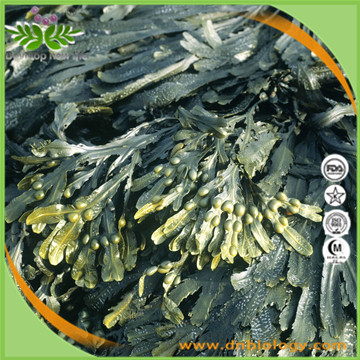
Botanical Source: Fucus vesiculosus L.
Used Part: Algae
Specification: Iodine 0.1%, 0.3%, 0.5%
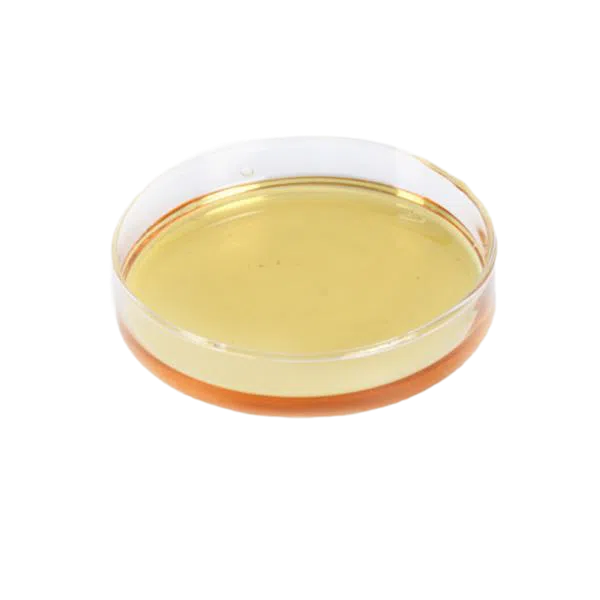
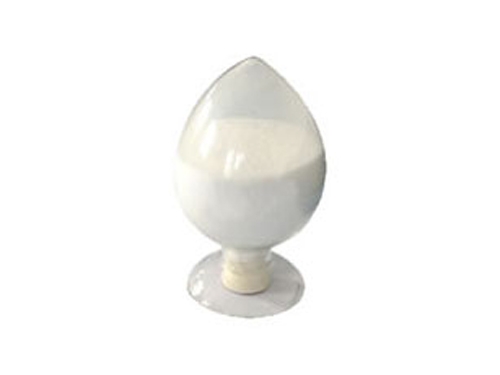
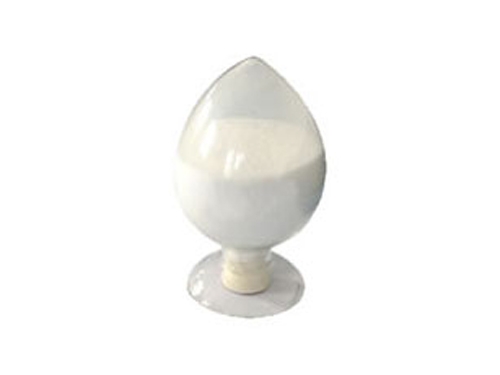
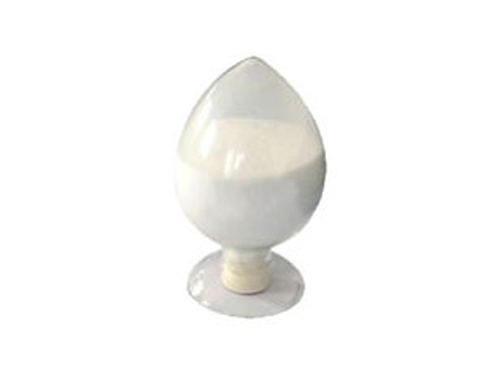
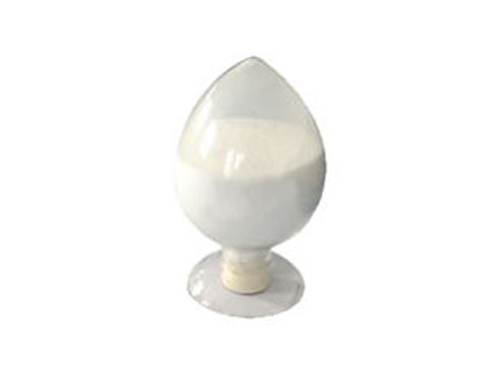
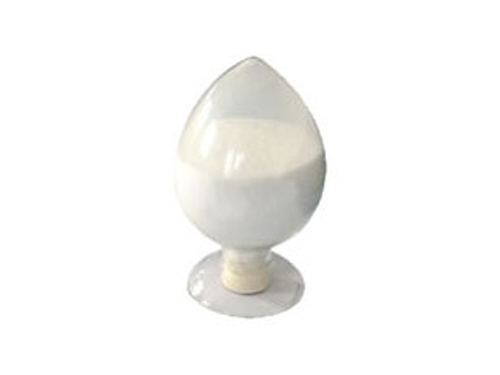
Color: Light Brown
Test Method: Titration
Bulk density:0.40-0.75g/ml
Moisture: <5% Ash: <5%
Description:
Fucus vesiculosus is a seaweed found on the coasts of the North Sea, the western Baltic Sea, and the Atlantic and Pacific Oceans. Primary chemical constituents of this plant include mucilage, algin, mannitol, beta-carotene, zeaxanthin, iodine, bromine, potassium, volatile oils, and many other minerals. It was the original source of iodine.
Iodine is a chemical element with symbol I and atomic number 53. Iodine and its compounds are primarily used in nutrition, and industrially in the production of acetic acid and certain polymers. Iodine's relatively high atomic number, low toxicity, and ease of attachment to organic compounds have made it a part of many X-ray contrast materials in modern medicine. Iodine has only one stable isotope. A number of iodine radioisotopes are also used in medical applications.
Functions:
1. Improve immunity, filling calcium
2. Lower blood pressure, blood sugar & fat
3. Slim beauty, delay aging, hair care
4. As an active ingredient for temporary relief of symptoms of non-toxic goiter and enlarged thyroid in the obese
5. Supports digestion and reduces flatulence
Application:
Pharmaceutical, Functional food, Water-soluble beverages, Health products.
Fucus Vesiculosus P.E. is a standardized extract derived from the brown seaweed Fucus vesiculosus, primarily produced via ethanol or water extraction to concentrate bioactive compounds. Key components include alginates, fucoidan, and iodine. Specific molecular formulas vary by fraction; CAS numbers are not assigned to the crude extract but specific isolates have distinct identifiers.
Not intended for direct clinical use without medical supervision due to high iodine content. Store in a cool, dry place away from light to prevent oxidation. Avoid use in patients with thyroid disorders unless prescribed.


 (All Rights Reserved) (All Rights Reserved)