Category:
Plant Extracts
CAS NO:
Garlic extract
Standard:
ChP,

Garlic P.E.
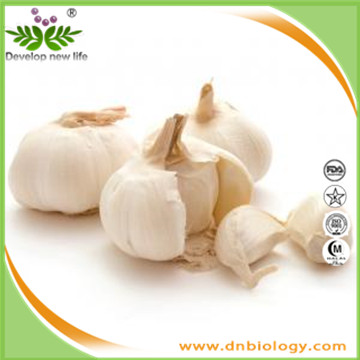
Botanical Source: allium sativum
Used Part: garlic bulb
Specification: allicin 0.5%-2% or alliin 2%~5% by HPLC
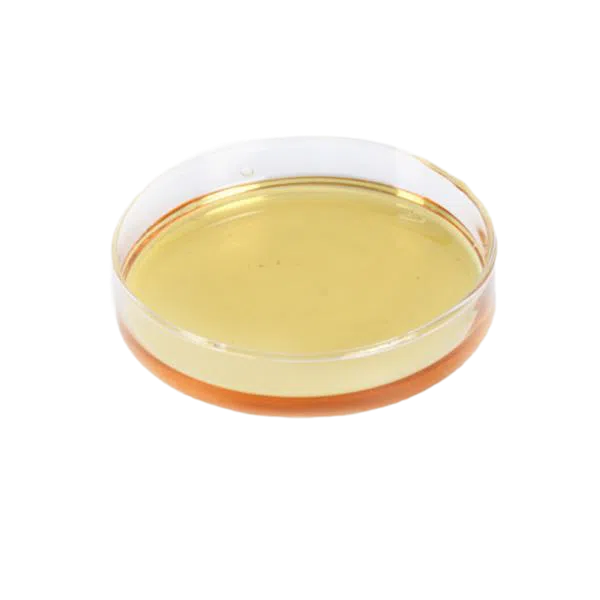
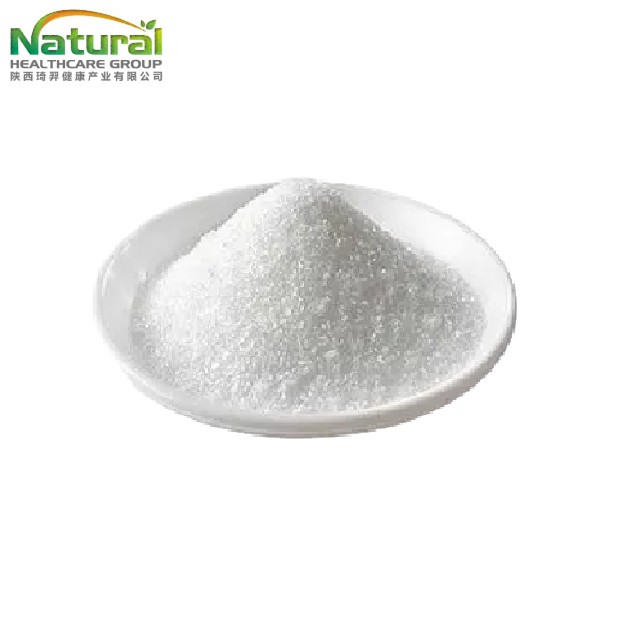
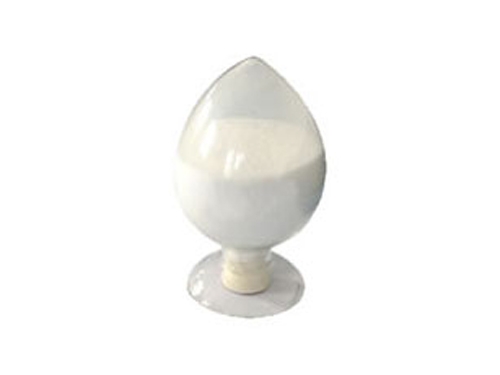
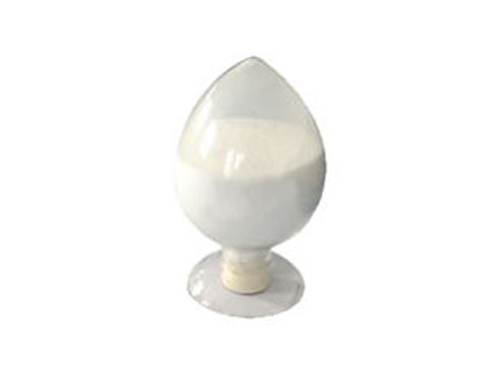
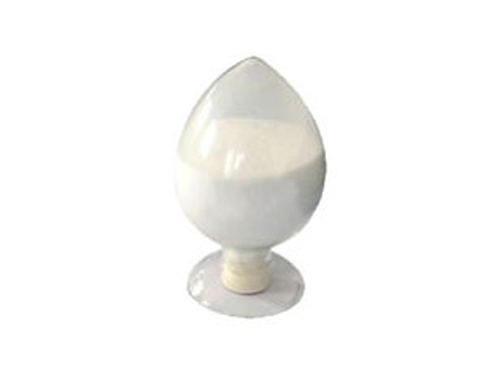
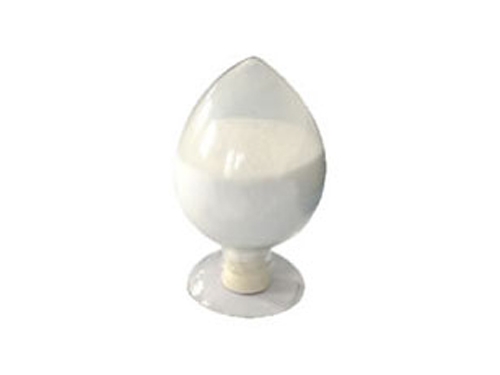
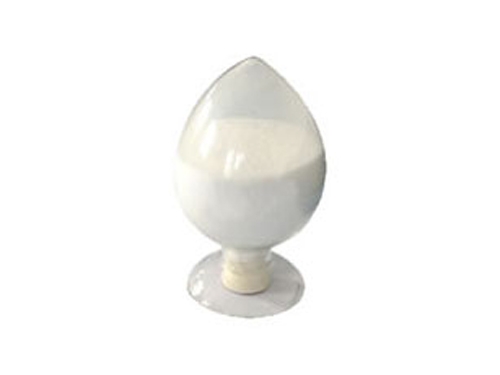
Appearance: Light yellow fine powder
Test Method: HPLC
Bulk density: 0.35-0.75g/mL
Moisture: <5%
Ash: <5%
Description:
Allium sativum, commonly known as garlic, is a species in the onion genus. It is a bulbous plant. It grows up to 1.2 m (4 ft) in height. Its hardiness is USDA Zone 8. It produces hermaphrodite flowers. Pollination occurs by bees and other insects.
The strong smelling juice of the bulbs contains a mixture of aliphatic mono and polysulphides. The chief constituent is allicin, diallyl disulphide oxide. The latter constituent results from spontaneous enzymatic reduction of alliin.
Function:
1. With the effect of sterilization, inhibiting harmful germ and preventing disease;
2. Strengthening immunity, and promoting the healthy growth of birds, beasts and fishes;
3. Improving the quality of meat, milk and egg, so as to improve food’s flavor.
4. in Chinese traditional use, as an active ingredient to detoxicate and cure furuncles and remove blood stasis.
Application:
1. Applied in food field, it is mainly as a functional food additives used in cookie, bread, meat products and so on;
2. Applied in health product field, it is often made into capsule to lower blood pressure and blood-fat;
3. Applied in pharmaceutical field, it is mainly used in treating bacterial infection, gastroenteritis and cardiovascular diseases;
4. Applied in feed additive field, it is mainly used in feed additive for protecting the poultry, livestock and fishes against the disease.
Garlic P.E. denotes a standardized extract derived from Allium sativum bulbs, produced via ethanol or water extraction and subsequent concentration. The core active components are primarily organosulfur compounds such as allicin derivatives. Molecular Formula varies by specific fraction; CAS No. typically references standard garlic extracts (e.g., 84650-60-2).
Not recommended for patients on anticoagulant therapy due to potential bleeding risks. Store in cool, dry conditions away from direct sunlight to prevent degradation of volatile sulfur compounds. Ensure proper ventilation during handling to avoid respiratory irritation.


 (All Rights Reserved) (All Rights Reserved)