Liquorice P.E.
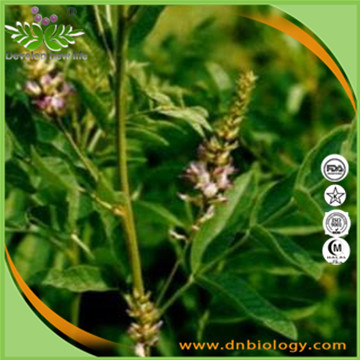
Botanical Source: Glycyrriza Uralensis Fisch.G.Glabra L
Used Part: Root
Specification: Glabridin 40%
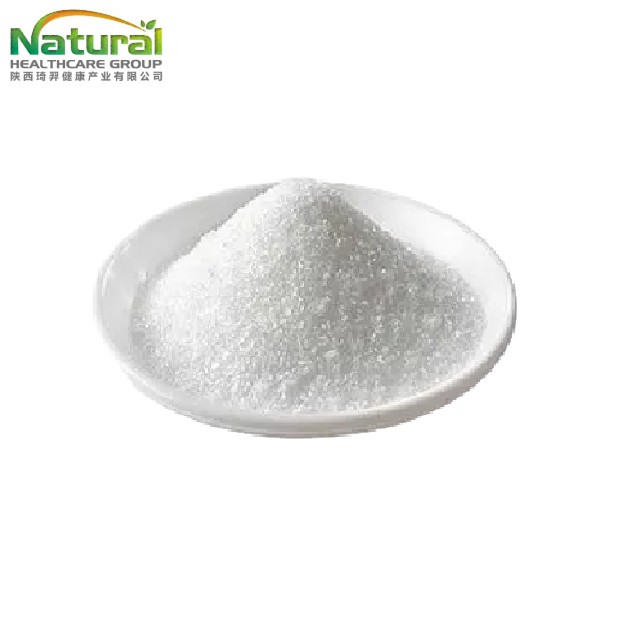
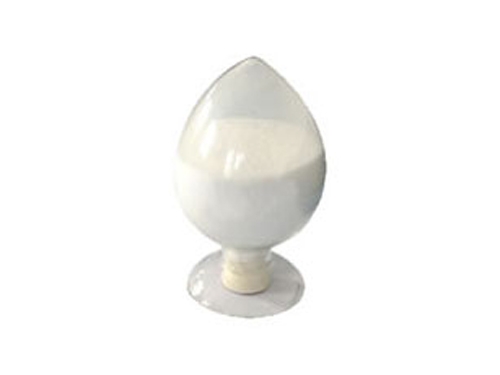
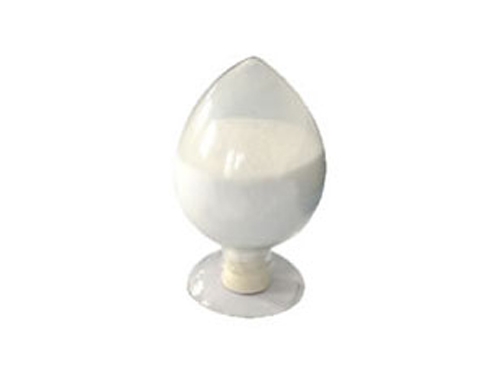
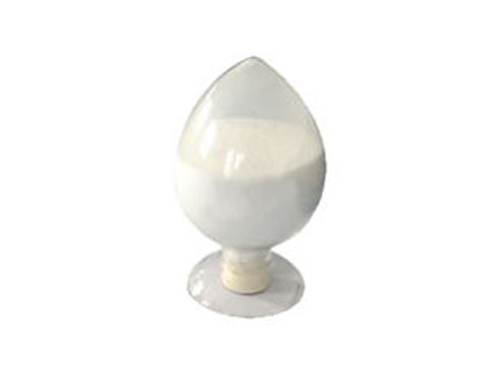
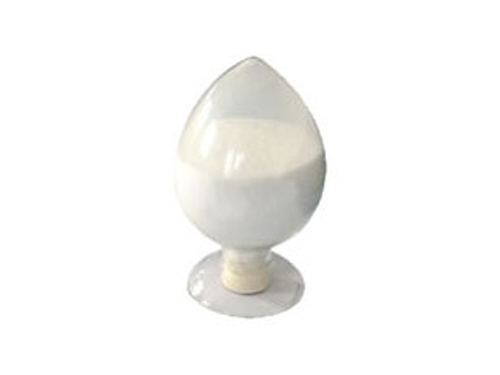
Appearance: yellow or brown-yellow powder
Test Method: HPLC
Bulk density: 0.35-0.75g/mL
Moisture: <5%
Ash: <5%
Description:
Liquorice or licorice is the root of Glycyrrhiza glabra from which a somewhat sweet flavor can be extracted. The liquorice plant is a legume that is native to southern Europe and parts of Asia. The active ingredient is Glabridin.
Glabridin is an isoflavane, a type of isoflavonoid. This product is part of a larger family of plant-derived molecules, the natural phenols.
It is used as an ingredient in cosmetics and is listed in International Nomenclature of Cosmetic Ingredients (INCI). Tt has also been studied as a health ingredient. Studies have showed positive effects in fields like LDL protection against oxidation and anti-obesity.
Function:
1. as a traditional Chinese medicine to relieve coughs and smooth skin.
2. as an additive to be utilized in food and beverage.
3. with antioxidant, to be used in cosmetics.
4. to lose weight.
Application:
1. Applied in agriculture field
2. Applied in pharmaceutical field
3. Applied in cosmetic field
*The following content is generated by AI and is for reference only.
Overview
Liquorice P.E. is a standardized extract derived from Glycyrrhiza roots via ethanol or water extraction. It contains bioactive compounds like glycyrrhizin. Molecular Formula: C42H62O16; CAS No.: 1405-86-3.
Application
- Pharmaceuticals: Anti-inflammatory and cough suppressant formulations.
- Food Industry: Natural sweetener and flavoring agent in beverages.
- Cosmetics: Skin brightening and anti-aging active ingredients.
Precautions
Long-term high-dose use may cause hypertension due to pseudoaldosteronism. Store in cool, dry conditions below 25°C to prevent degradation.