*The following content is generated by AI and is for reference only.
Overview
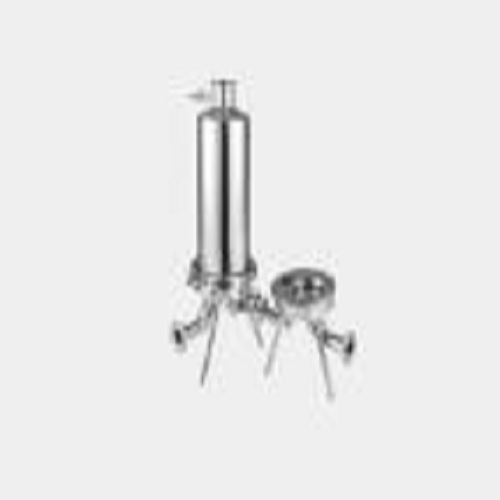
A microporous membrane filter is a precision separation device designed to remove particulates and microorganisms from fluids or gases. Constructed primarily from polymers such as polyethersulfone (PES) or polyvinylidene fluoride (PVDF), these filters adhere to international standards like ISO 14644 for cleanliness, ensuring consistent pore size distribution and high flow rates.
Application
- Pharmaceuticals: Sterile filtration of injectables, buffers, and bioprocessing media.
- Electronics: Ultra-pure water preparation and chemical solvent filtration for semiconductor manufacturing.
- Laboratories: Sample preparation for HPLC, GC, and microbiological testing.
- Beverage: Clarification and sterilization of wines, beers, and juices.
Precautions
- Safety: Always wear PPE when handling chemicals; ensure proper waste disposal of used filters.
- Maintenance: Monitor differential pressure to detect clogging; replace membranes immediately upon exceeding pressure limits or after confirmed contamination events.
- Storage: Keep in original packaging in a dry environment away from UV exposure to prevent material degradation.