Category:
Plant Extracts
CAS NO:
Sennae Folium P.E.
Standard:
ChP,


Sennae Folium P.E.
Botanical Source: Sennae Folium
Used Part: Leaf
Specification: calcium sennosides 8%-20%
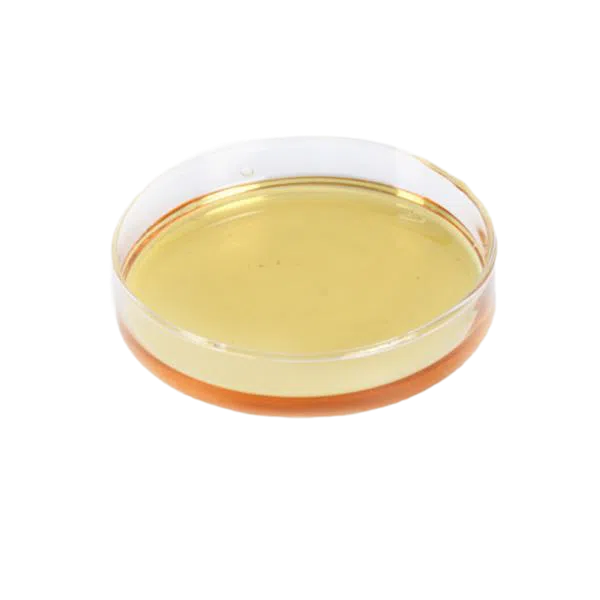
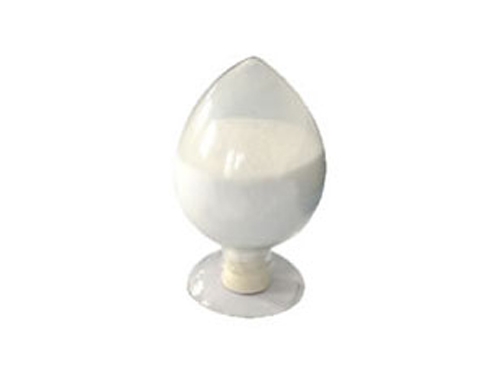
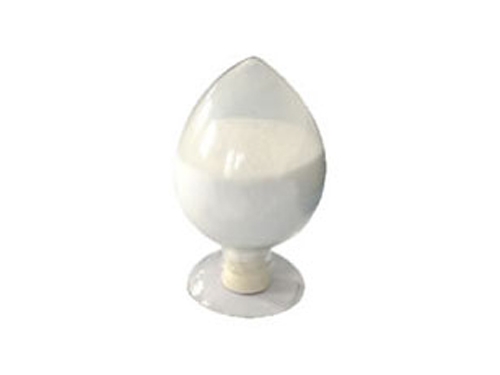
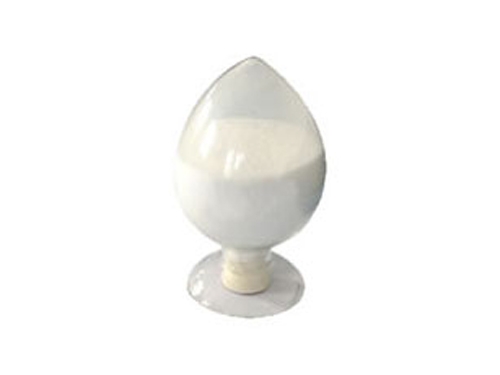
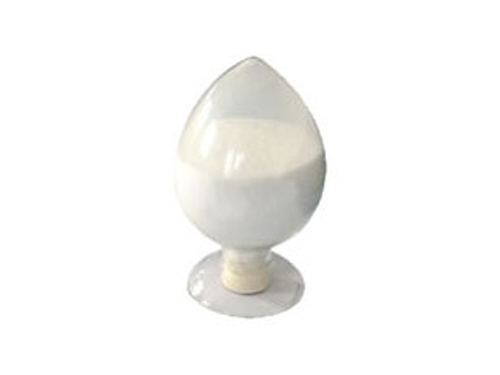
Appearance: brown powder
Test Method: UV
Bulk density: 0.35-0.75g/mL
Moisture: <5%
Ash: <5%
Description:
Senna is a diarrhea growth in India, Pakistan, southern China shrubs. Senna because of their cathartic properties have traditionally been considered a "clean" herbs. More modern studies have shown that Senna in the treatment of constipation is very effective. Leaves and pods or fruit can be used for medicine.
Function:
1. Cathartic effect: senna infusion contains anthraquinone derivatives, its cathartic effect and irritation more than other laxatives.
2. Antibacterial inhibition: senna extract alcohol resistant variety of bacteria such as staphylococcus, diphtheria bacillus, typhoid bacillus, paratyphoid bacillus, and escherichia coli, the water extract useful only for Salmonella typhi.
3. Hemostasis: senna powder can increase platelet and fibrinogen, reduced clotting time, recalcification time, prothrombin time and blood clot contraction time, help to stop the bleeding 4
4. Muscle relaxation: senna can block acetylcholine at the motor nerve terminals and skeletal joints, so that muscle relaxation.
Application:
1. Applied in food field, senna tea is widely used to treat constipation;
2. Applied in health product field, to be added into health products to relaxe the bowels;
3. Applied in pharmaceutical field, for the treatment of acute pancreatitis, bacillary dysentery and cholecystitis
Sennae Folium P.E. is a standardized extract derived from dried leaves of Cassia acutifolia or Cassia angustifolia. Produced via solvent extraction and spray drying, it concentrates anthraquinone glycosides acting as potent laxatives.
Contraindicated during pregnancy due to uterine stimulation risks. Long-term use may cause electrolyte imbalance. Store in a cool, dry place below 25°C away from direct sunlight to maintain stability.


 (All Rights Reserved) (All Rights Reserved)