*The following content is generated by AI and is for reference only.
Overview
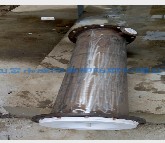
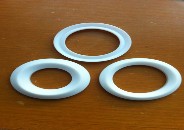
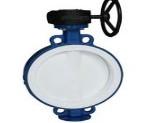
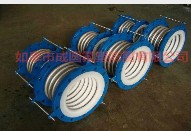
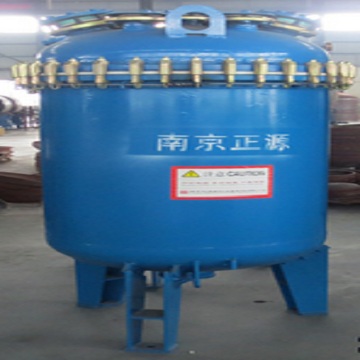
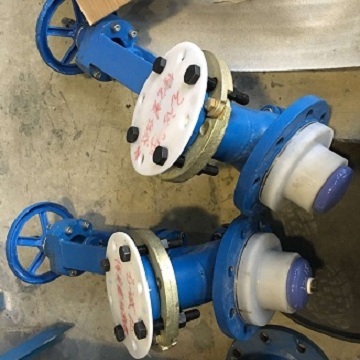
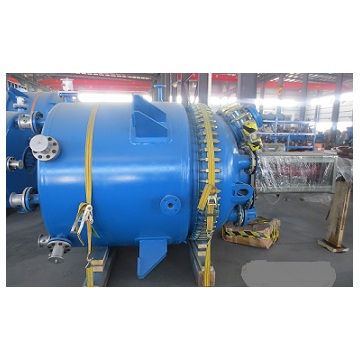
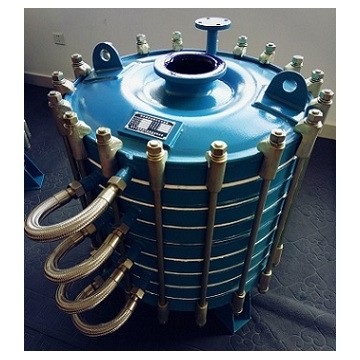
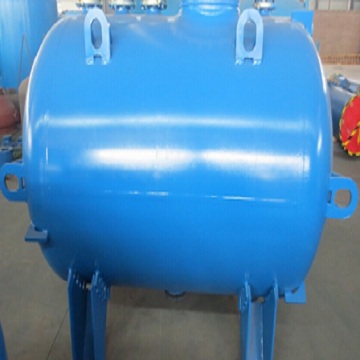
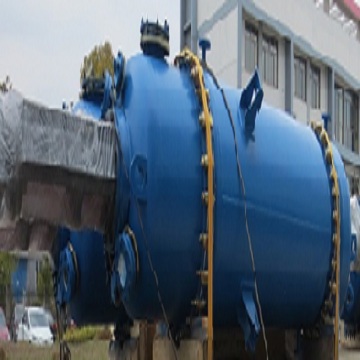
A static mixer is a passive device designed to blend fluids without moving parts, utilizing internal helical elements to create laminar flow division. The unit typically features a steel liner lined with tetrafluoroethylene (PTFE) for superior chemical resistance and low surface energy. This construction ensures compatibility with aggressive solvents and high-purity requirements while maintaining structural integrity under pressure.
Application
- Pharmaceuticals: Mixing active ingredients and excipients in sterile drug production lines.
- Chemical Processing: Homogenizing catalysts, resins, and polymerization reactions.
- Petrochemical: Blending additives and fuel components in continuous flow systems.
- Water Treatment: Dosing coagulants and disinfectants into large-scale pipelines.
Precautions
- Ensure all wetted surfaces meet specific hygiene standards before installation to prevent cross-contamination.
- Monitor differential pressure regularly; excessive buildup indicates clogging or element degradation.
- Schedule periodic replacement of mixing elements based on throughput volume and fluid abrasiveness.
- Verify material compatibility charts against process temperature and pH levels to avoid PTFE failure.