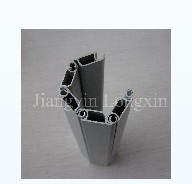
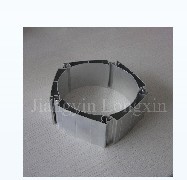
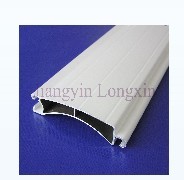
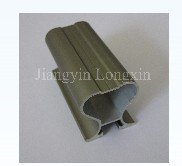
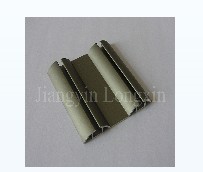
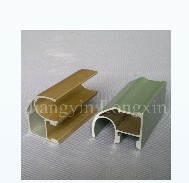
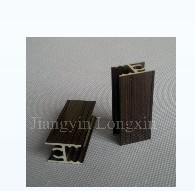
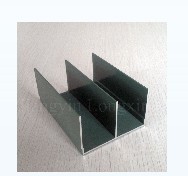
Product Description
please call me , to know more
AI Product Description
*The following content is generated by AI and is for reference only.
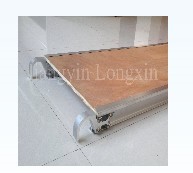
A **timber walkway** is a pedestrian pathway constructed primarily from wood, designed to traverse uneven terrain, wetlands, or natural landscapes while minimizing environmental impact. These structures are popular in parks, nature reserves, botanical gardens, and coastal areas for their aesthetic appeal and durability when properly maintained.
### Key Features:
- **Materials**: Typically made from pressure-treated lumber, tropical hardwoods (e.g., ipe, cedar), or composite wood alternatives for enhanced rot resistance.
- **Design**: Often elevated on posts or pilings to protect underlying vegetation and prevent soil erosion. May include handrails, non-slip surfaces, and drainage gaps.
- **Benefits**:
- Low environmental disruption compared to concrete or asphalt.
- Natural integration with surroundings.
- Cost-effective for short-to-medium spans in sensitive ecosystems.
- Warm, inviting appearance that enhances user experience.
### Considerations:
- **Maintenance**: Requires periodic sealing, staining, or replacement due to weathering, insect damage, or moisture exposure.
- **Longevity**: Varies by material; tropical hardwoods can last 25+ years, while softwoods may need replacement every 10–15 years.
- **Regulations**: Often subject to local building codes, especially in protected areas or near water bodies.
Would you like guidance on designing, sourcing materials, calculating costs, or understanding maintenance requirements for a specific timber walkway project?



 (All Rights Reserved)