Category:
Plant Extracts
CAS NO:
Valerian Root plant extract
Standard:
In-house Standards,

Valerian Root P.E.
Botanical Source: Valeriana Officinalis L
Used Part: Root
Specification: 5:1/ 0.8% Valerianc Acids
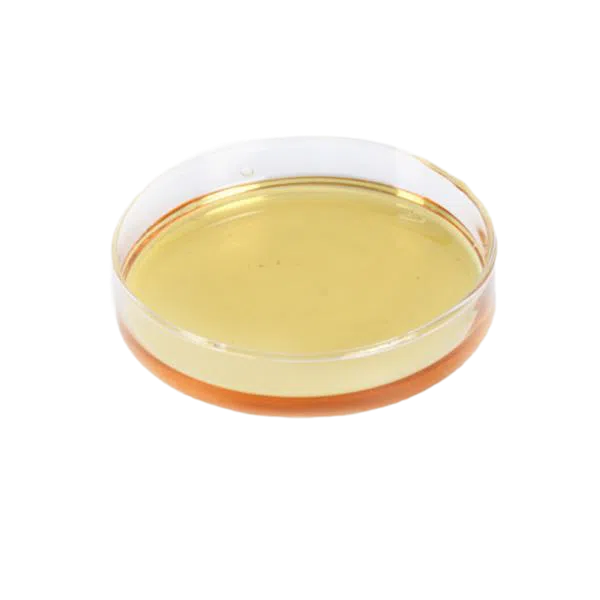
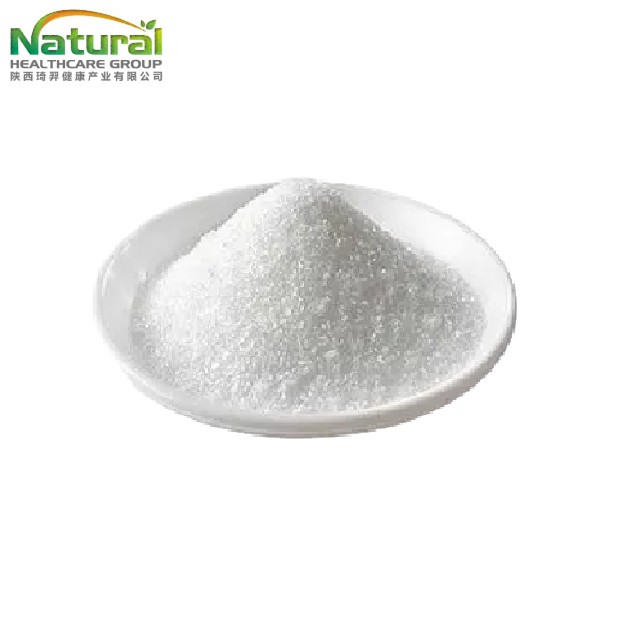
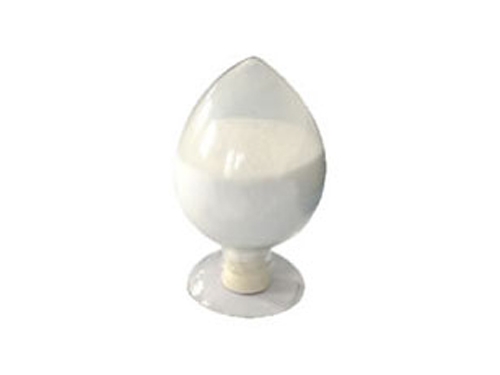
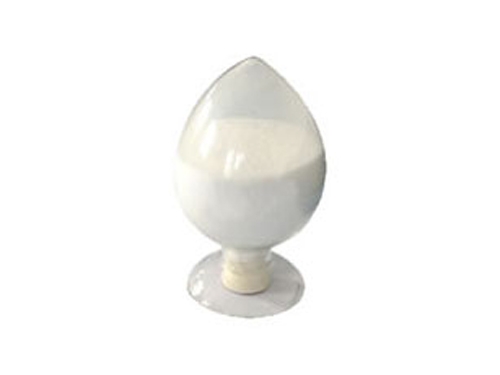
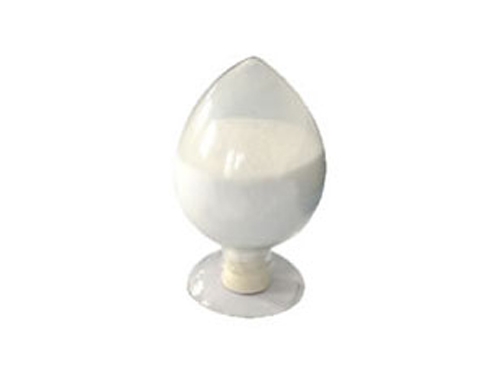
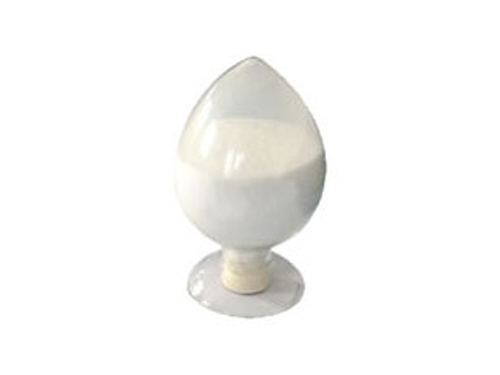
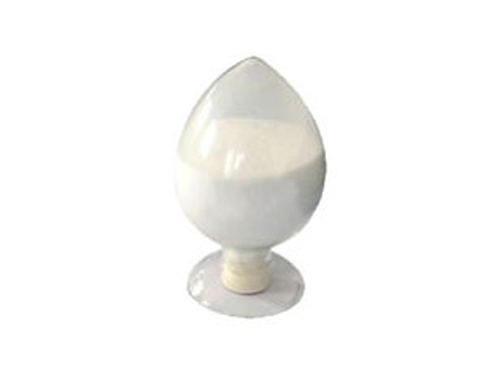
Appearance: Yellow Brown powder
Test Method: HPLC
Bulk density: 0.35-0.75g/mL
Moisture: <5%
Ash: <5%
Description:
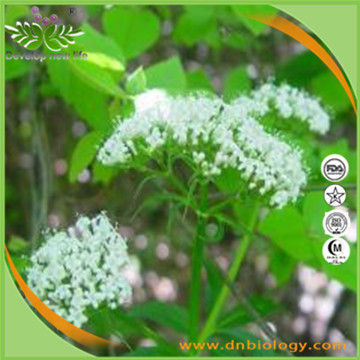
Valerian is a perennial that reaches about 5 feet. Its medicinal roots consist of long, cylindrical fibers issuing from its rhizome. Its stem is erect, grooved, and hollow. Valerian leaves are fernlike. Tiny flowers-white, pink, or lavender-develop in umbrella-like clusters and bloom from late spring through summer. When dried valerian roots have an unpleasant odor, like that of ''dirty socks''.
Function:
1. Insomnia;
2. Blood pressure;
3. Anticonvulsant-treatment of epilepsy;
4. Valerian’s sedative effect is not significantly exaggerated by alcohol and barbiturates unlike valium. Recommended dosage of valerian does not cause morning grogginess.
5. Valerian is shown to have some anti-tumor effects similar to that of nitrogen mustard. It may play a role in the treatment of cancer.
6. Valerian is shown exhibit anticonvulsant effects that may help in the treatment of epilepsy.
Application:
1. Applied in the food field, it has become a new raw material which used in food and beverage industry;
2. Applied in the health product field;
3. Health products as capsules or pills.
4. Pharmaceutical pills
Valerian Root P.E. is a standardized botanical extract derived from Valeriana officinalis, primarily produced via ethanol extraction to concentrate active valerenic acids and valepotriates. It serves as a key raw material in the nutraceutical industry, characterized by its distinct earthy aroma and sedative properties.
Not recommended for pregnant or lactating women without medical supervision. Storage requires sealed containers in cool, dry conditions below 25°C to prevent degradation of volatile compounds. Avoid concurrent use with CNS depressants.


 (All Rights Reserved) (All Rights Reserved)