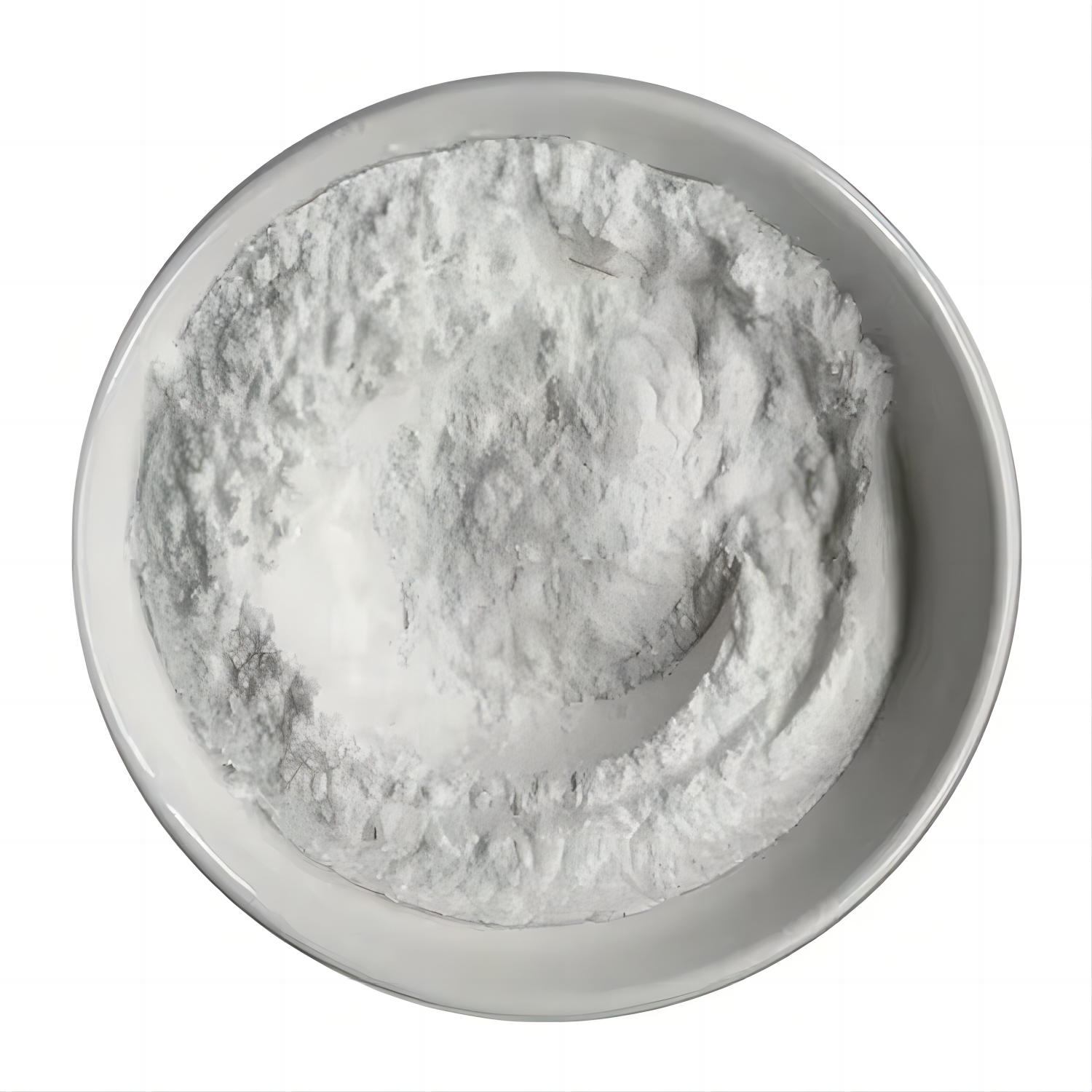
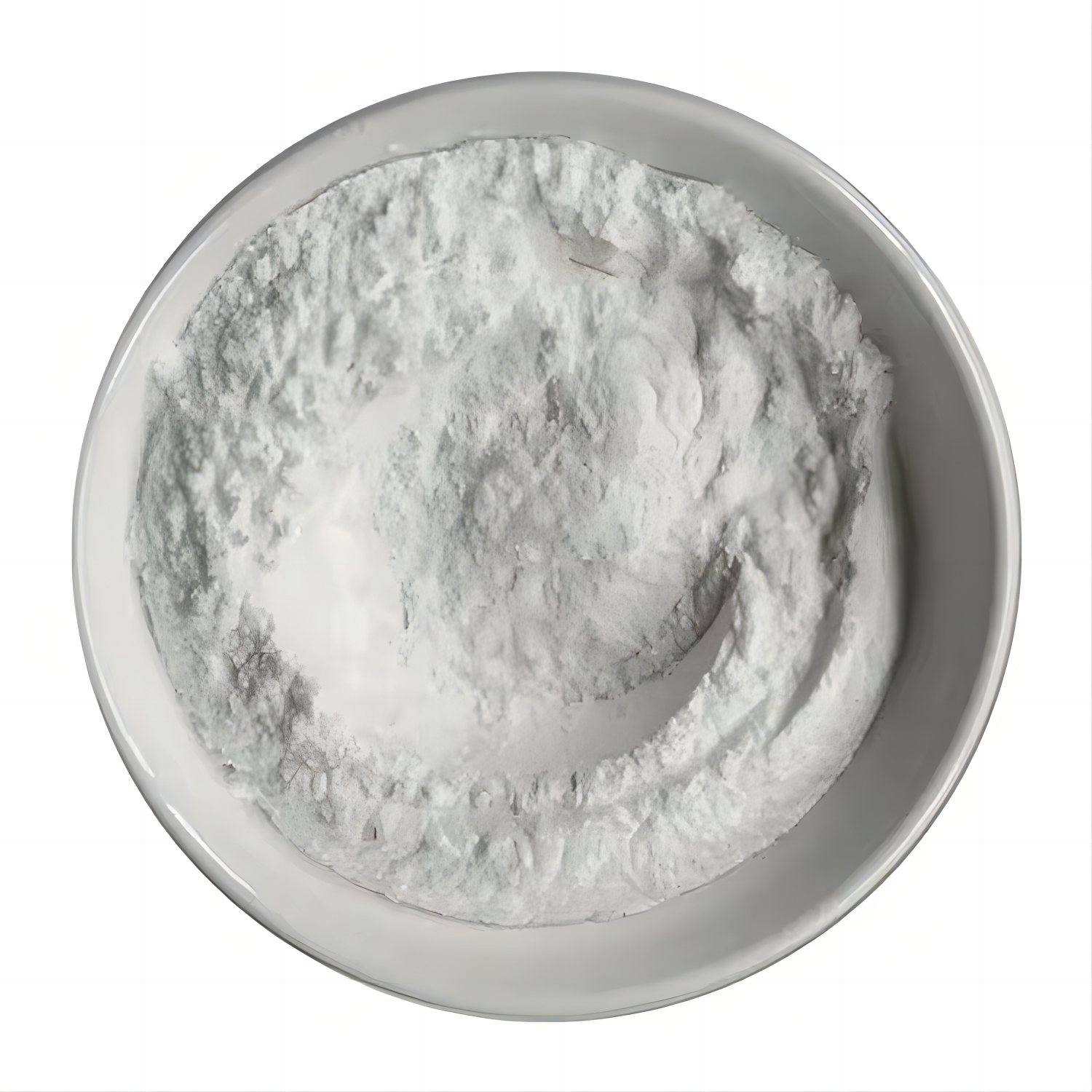
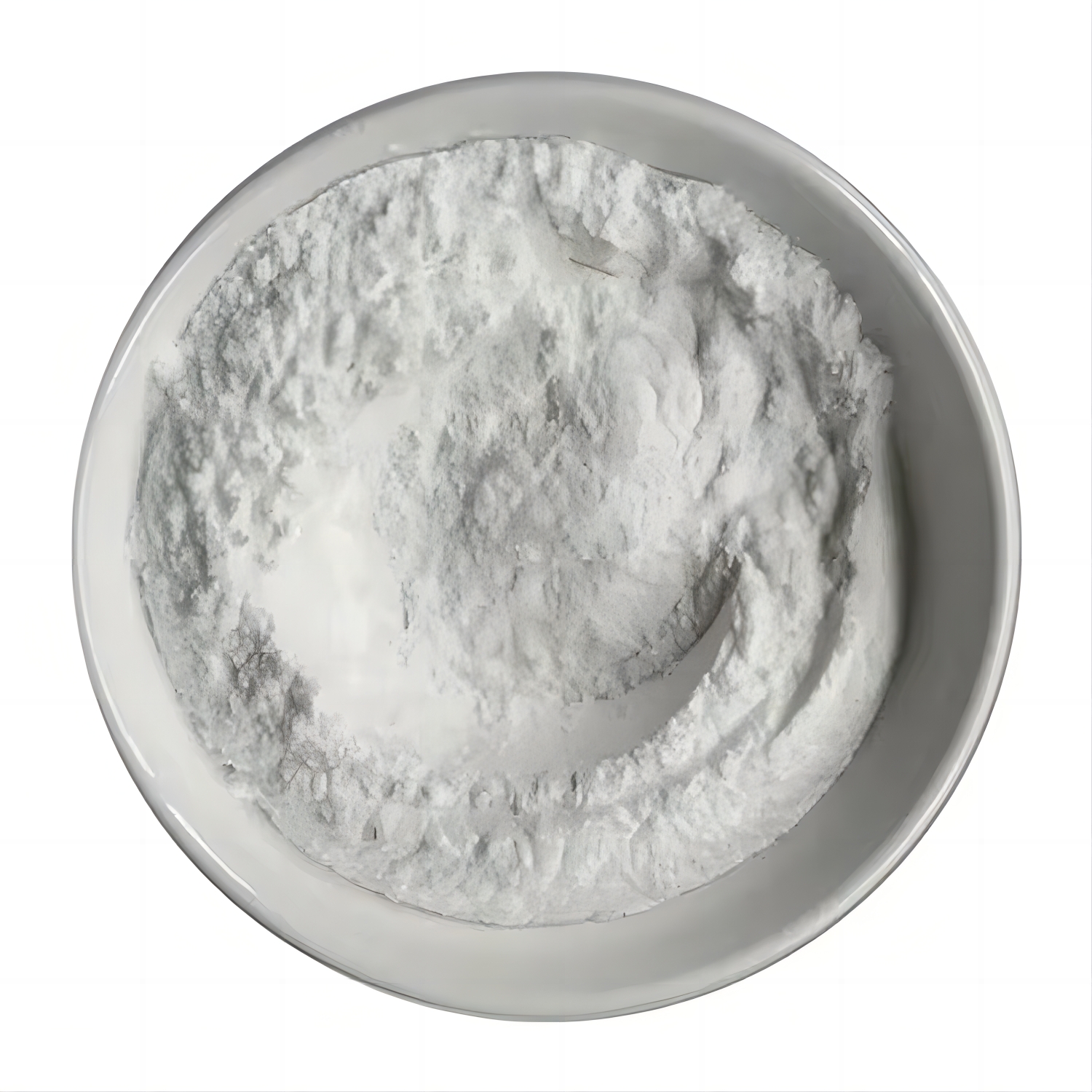
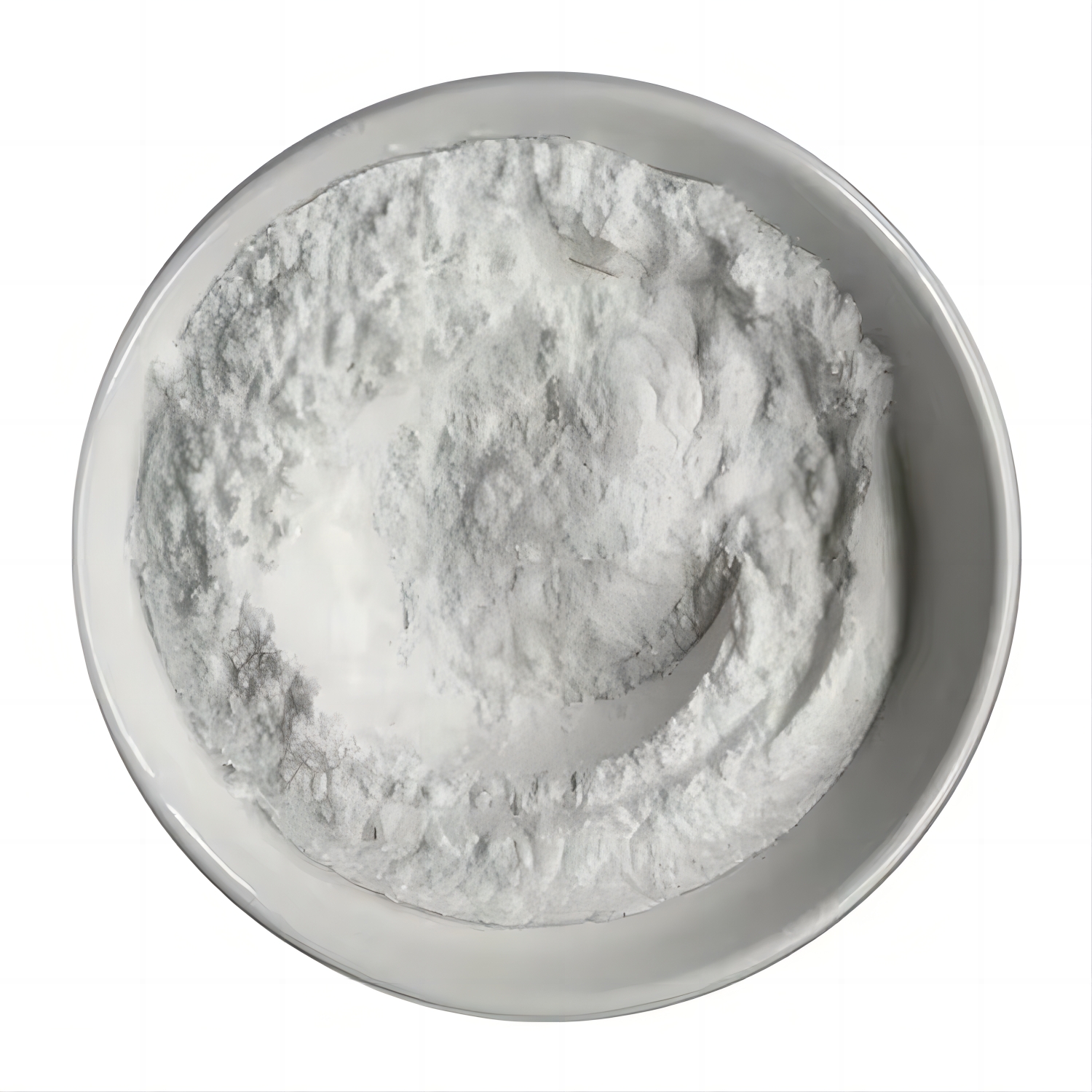
Chlorphenesinum
Product Information:
Other name:Chlorophenesin;Gecophen;3-(4-chlorophenoxy)propane-1,2-diol;Adermykon;Chlorphenesinum;
CAS: 104-29-0
Molecular Formula:C9H11ClO3
Molecular Weight:202.63
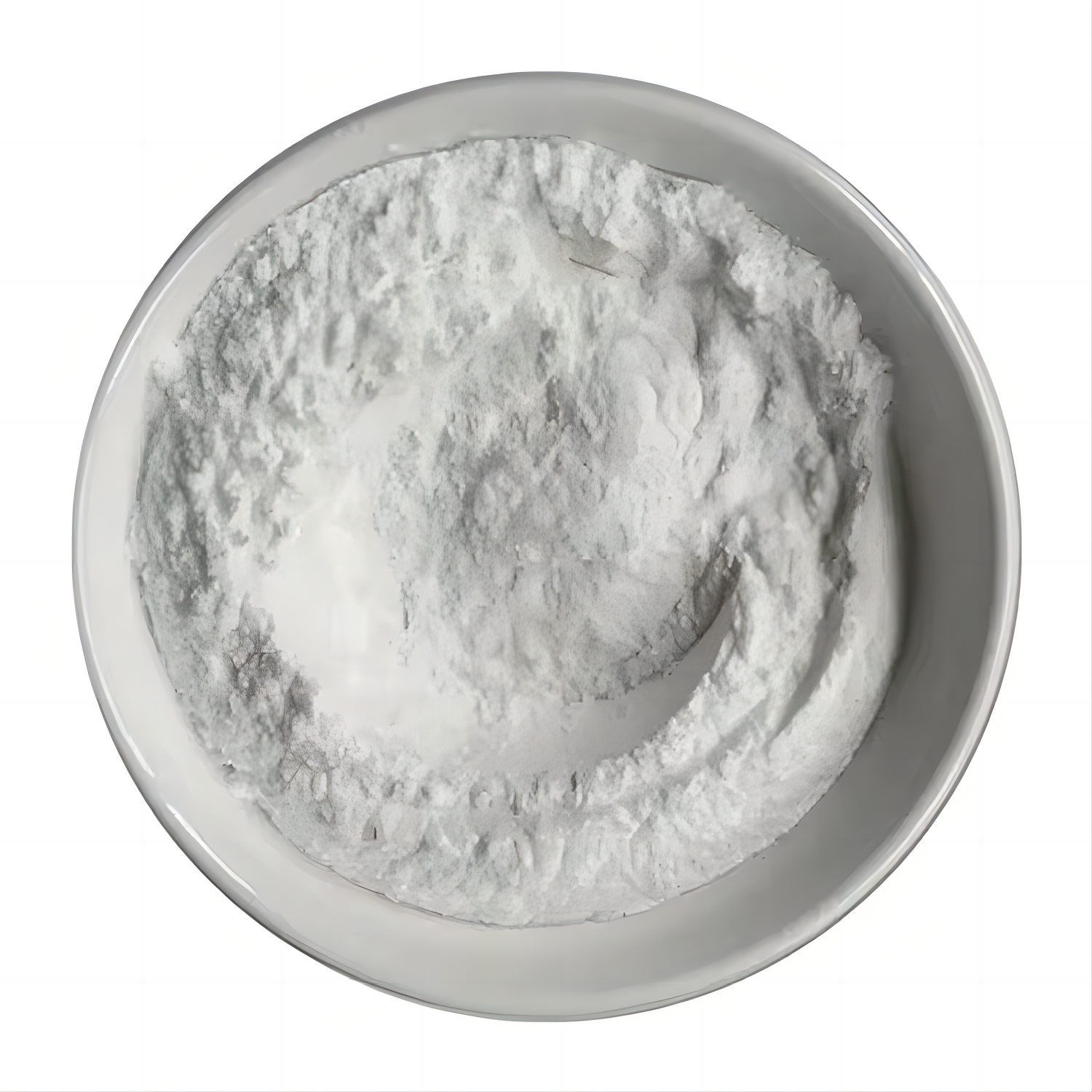
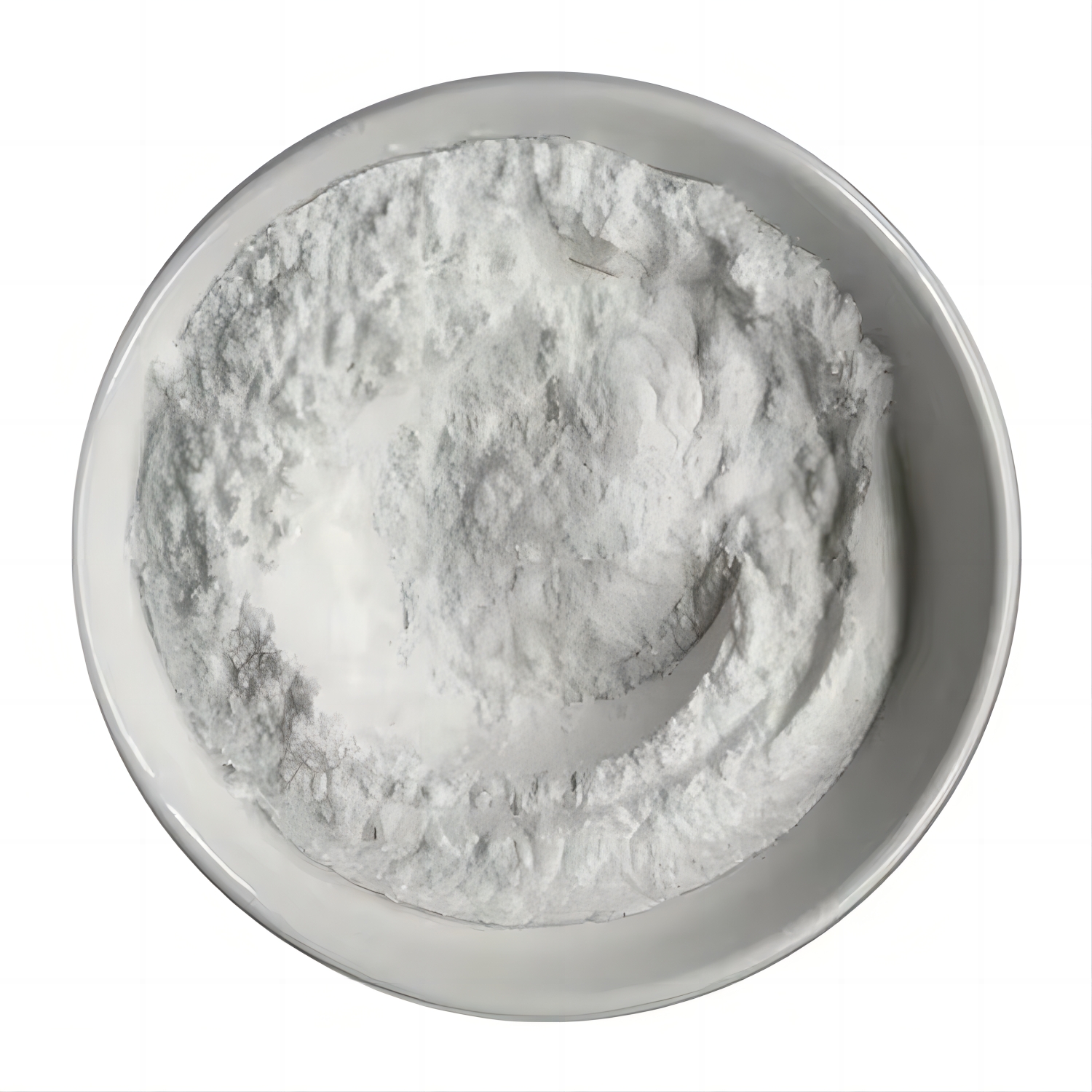
Appearance:White to off-white crystalline powder
Melting point:77-79°C
EINECS:203-192-6
Assay :≥99.0%
Heavy metals: <10PPM
Product Description:
Chlorophenol ether-associated agents are antigen-associated immunosuppressants that inhibit IgE - mediated histamine release.Chlorophenol ether also belongs to antifungal drugs, which is suitable for antifungal, bacteria, vaginal mold, trichomonas disease, drug dosage forms.In terms of cosmetics, chlorophenol ether is used as a cosmetic fungicide in the International Dictionary and Manual of Cosmetic Raw Materials. Chlorophenol ether can effectively resist Gram-positive and negative bacteria, especially against Aspergillus Niger IML149007 and Penicillium sonophilus IMI87160 (fungi).Moreover, it has a good inhibitory effect on Candida albicans NCPF3179 and Saccharomyces cerevisiae NCPF3275 (yeast).
Uses, benefits, Side Effects
1.It has bactericidal effect on epidermal tinea fungus, microspore tinea fungus and trichoderma fungus.
2.Have anti-trichomonas effect.
3.For skin tinea and vaginal enzyme bacteria or trichomonas infection.
4.Used as a general preservative in the formulation of cosmetics and personal care products to improve the anti-corrosion performance of the system
Application
This product can be widely used in pharmaceutical, fine chemical, cosmetic and other industries.
*The following content is generated by AI and is for reference only.
Overview
Chlorphenesin is a synthetic glycol ether derivative acting as a bacteriostatic preservative and local anesthetic. Manufactured via controlled esterification of chlorophenol with propylene glycol, it functions primarily to inhibit microbial growth in industrial formulations.
Application
- Cosmetic Manufacturing: Integrated into emulsions and creams within high-speed homogenizers.
- Pharmaceuticals: Utilized in topical ointment mixing reactors for preservative stability.
- Industrial Adhesives: Added to solvent-based resin systems to prevent spoilage during storage.
Precautions
- Storage: Maintain below 25°C in dry, ventilated areas; humidity must stay under 60%.
- Handling: Avoid exposure to temperatures exceeding 40°C to prevent degradation.
- Maintenance: Ensure seals in dosing pumps are compatible with glycol ethers to prevent leakage.



 (All Rights Reserved)