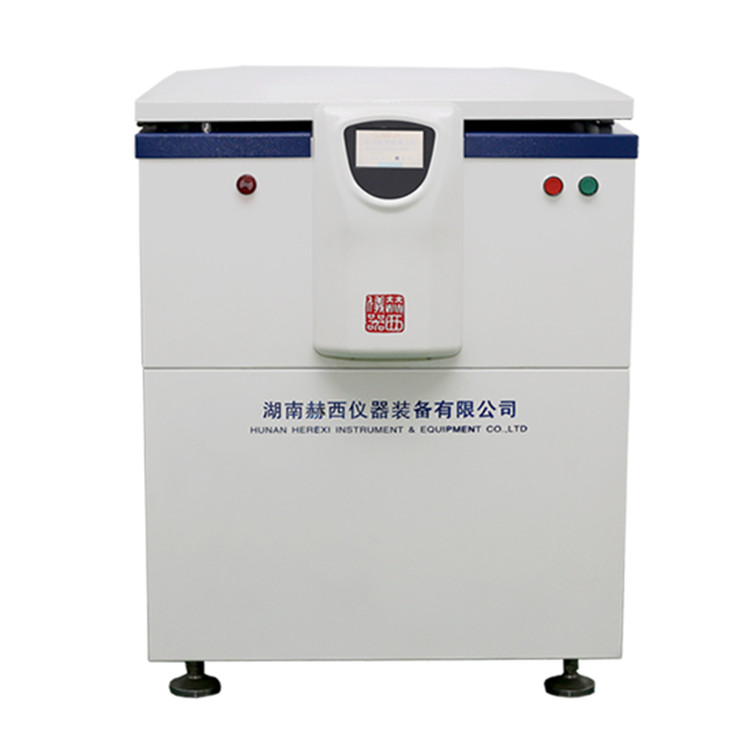
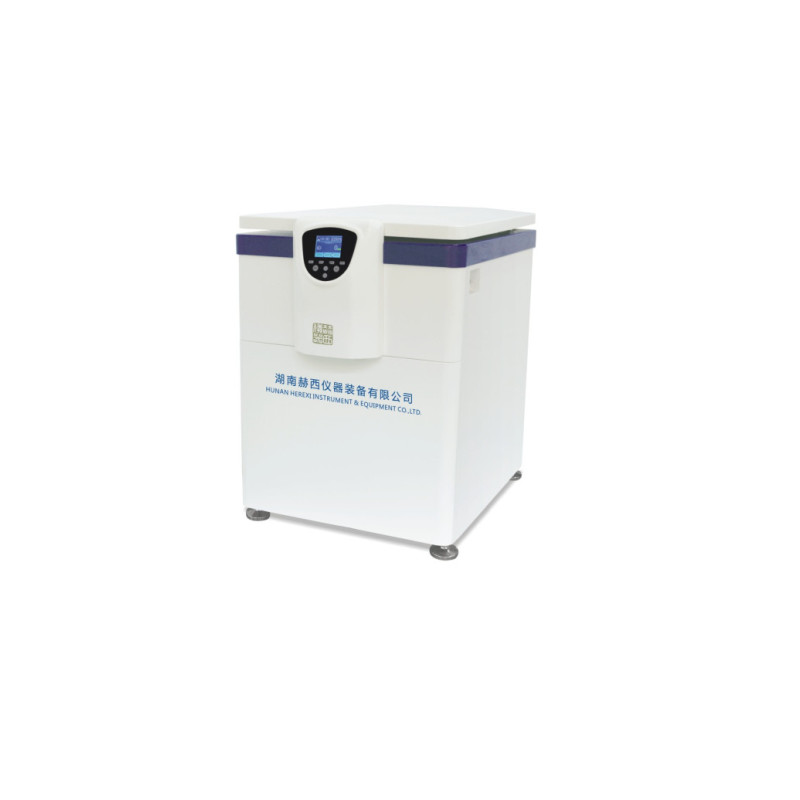
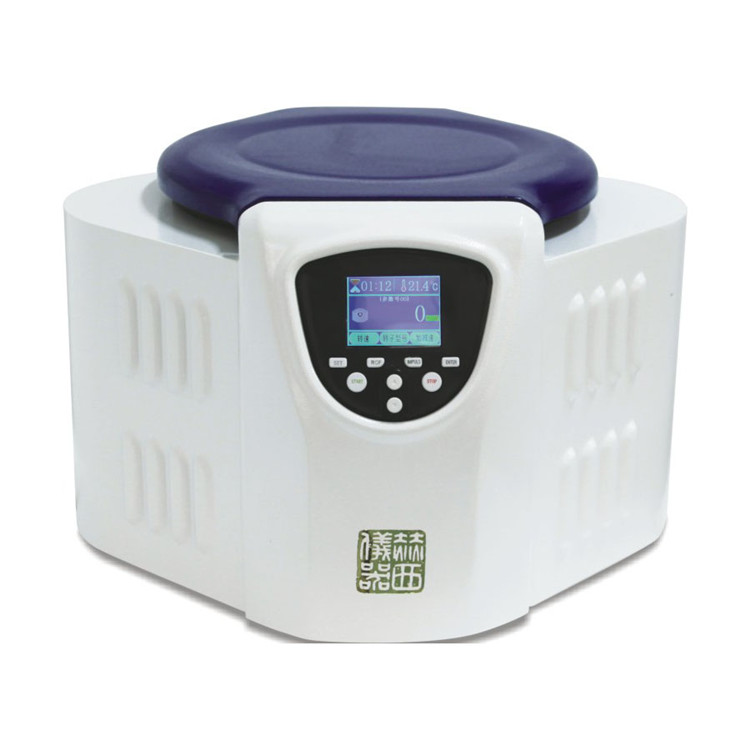
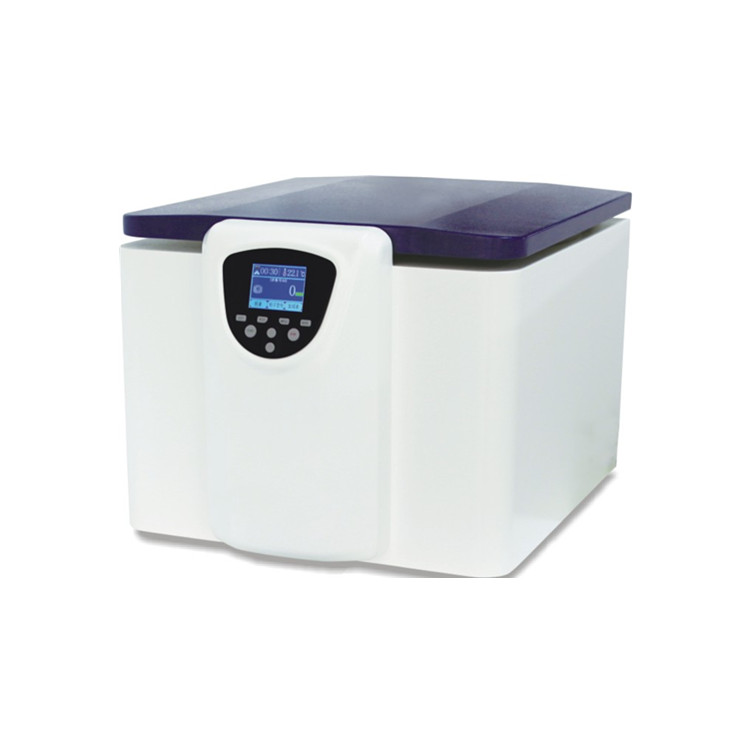
Product Description
please call me , to know more
AI Product Description
*The following content is generated by AI and is for reference only.
A **decanter centrifuge** (often simply called a decanter) is a high-speed, continuous-flow machine used to separate solids from liquids in a slurry. It is one of the most versatile and widely used pieces of equipment in industrial processing, particularly where large volumes need to be handled efficiently.
Here is a comprehensive overview of how it works, its applications, and key advantages:
### 1. How It Works
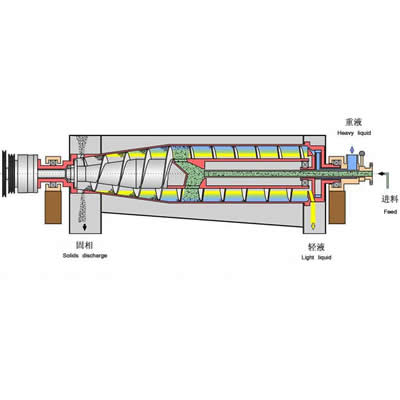
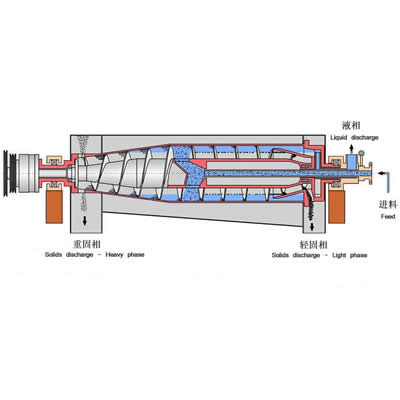
The decanter centrifuge operates on the principle of **sedimentation** enhanced by high centrifugal force. Unlike batch separators that fill and empty, decanters work continuously. The core components include:
* **Hollow Cylindrical Bowl**: Rotates at high speeds (up to 3,000–4,500 RPM).
* **Scroll (Conveyor)**: An internal screw-like mechanism that rotates slightly slower or faster than the bowl (differential speed).
* **Feed Pipe**: Introduces the slurry into the center of the rotating bowl.
**The Separation Process:**
1. **Feeding**: The slurry enters the bowl through the feed pipe.
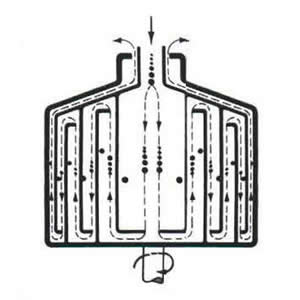
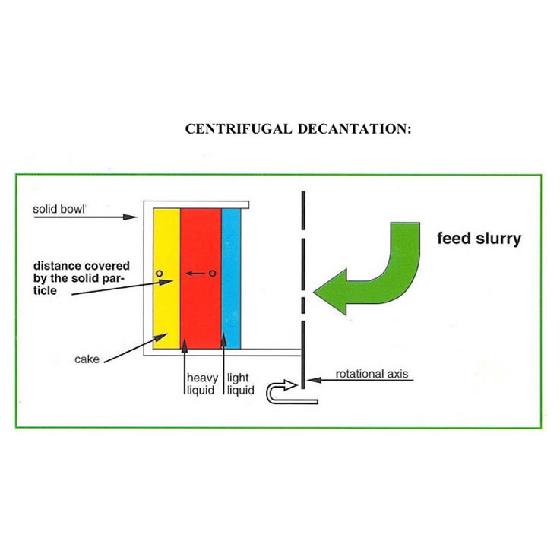
2. **Acceleration & Separation**: As the bowl spins, heavy solid particles are thrown outward against the bowl wall due to centrifugal force, forming a "cake." The lighter liquid layer remains closer to the center axis.
3. **Discharge**: The scroll, rotating at a slightly different speed relative to the bowl, pushes the settled solids toward the conical end (the "beach") of the bowl.
4. **Output**:
* **Solids**: Slides up the beach, dries slightly due to the slope and rotation, and is discharged over a weir or port at the narrow end.
* **Liquids (Centrate)**: Flows in the opposite direction (or stays in the cylindrical section) and exits over adjustable weirs at the wide end.
### 2. Key Applications
Decanter centrifuges are ubiquitous across various industries due to their ability to handle abrasive, corrosive, or heat-sensitive materials.
| Industry | Application |
| :--- | :--- |
| **Oil & Gas** | Drilling mud recycling, separating oil, water, and sand; wastewater treatment. |
| **Chemical & Petrochemical** | Dewatering catalysts, separating polymers, purifying chemicals. |
| **Food & Beverage** | Starch extraction, fruit juice clarification, beer brewing waste, vegetable oil refining. |
| **Pharmaceuticals** | Antibiotic production, yeast separation, protein purification. |
| **Wastewater Treatment** | Sludge dewatering for municipal and industrial sewage plants. |
| **Mining & Minerals** | Coal washing, tailings dewatering, ore processing. |
### 3. Advantages vs. Disadvantages
#### Advantages
* **Continuous Operation**: No downtime for loading/unloading, making it ideal for high-volume processes.
* **Automation**: Fully automated with minimal operator intervention.
* **Compact Footprint**: High capacity in a relatively small space compared to filter presses or belt filters.
* **Sealed System**: Can operate under inert gas or vacuum, which is crucial for flammable or toxic substances.
* **Versatility**: Adjustable parameters (speed, differential speed, pool depth) allow optimization for different material types.
#### Disadvantages
* **High Energy Consumption**: Requires significant power to maintain high rotational speeds.
* **Capital Cost**: Generally more expensive upfront than some other separation technologies.
* **Maintenance**: The scroll and bowl wear down over time due to abrasion, requiring periodic replacement or hard-facing.
* **Particle Breakage**: High shear forces can sometimes damage delicate biological cells or crystal structures (though this can be mitigated by adjusting settings).
### 4. Critical Operating Parameters
To get the best separation efficiency, operators typically adjust three main variables:
1. **Bowl Speed**: Higher speeds increase G-force, improving solid-liquid separation but increasing energy use and wear.
2. **Differential Speed**: The speed difference between the bowl and the scroll. A lower differential moves solids out slower (better drying), while a higher differential moves them faster (higher throughput).
3. **Pool Depth (Weir Plates)**: Adjusting the liquid level inside the bowl affects the residence time of the liquid and the clarity of the centrate.
### Conclusion
The decanter centrifuge is a robust solution for **solid-liquid separation** where throughput and continuous operation are critical. While it requires careful maintenance and energy management, its ability to handle difficult slurries and produce a dry cake with clear liquid makes it a cornerstone of modern industrial processing.



 (All Rights Reserved)