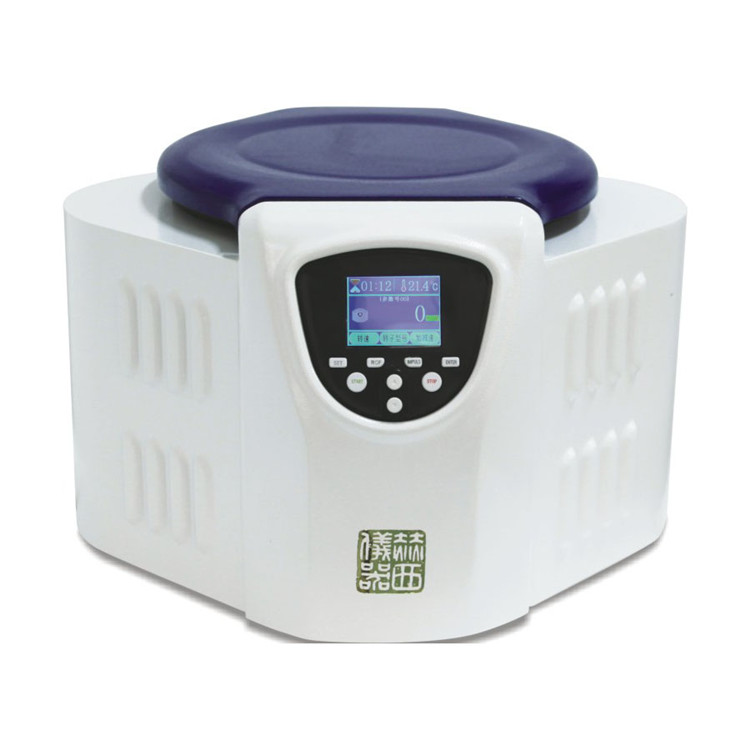
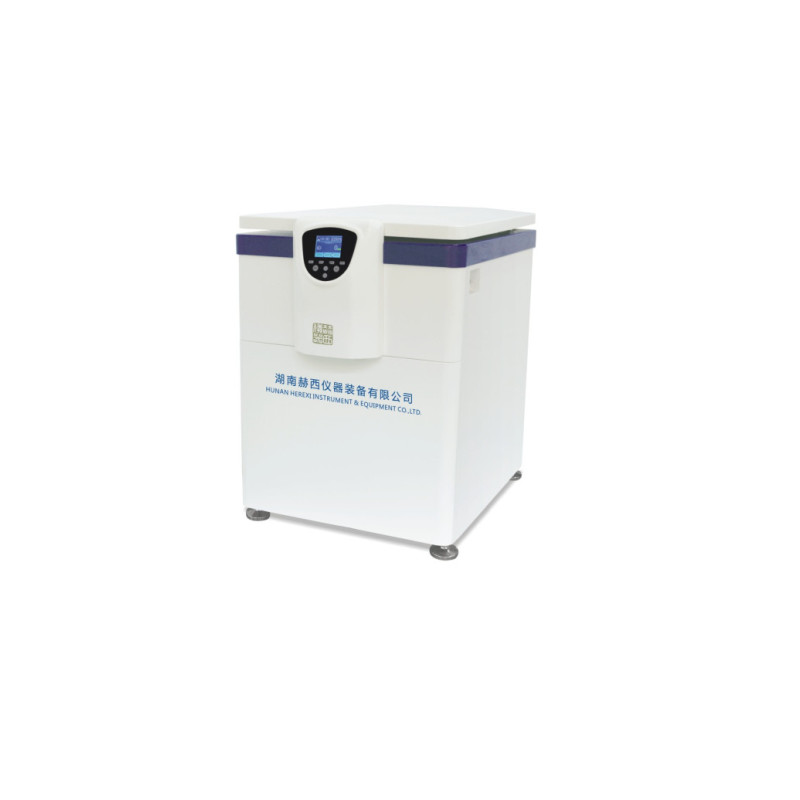
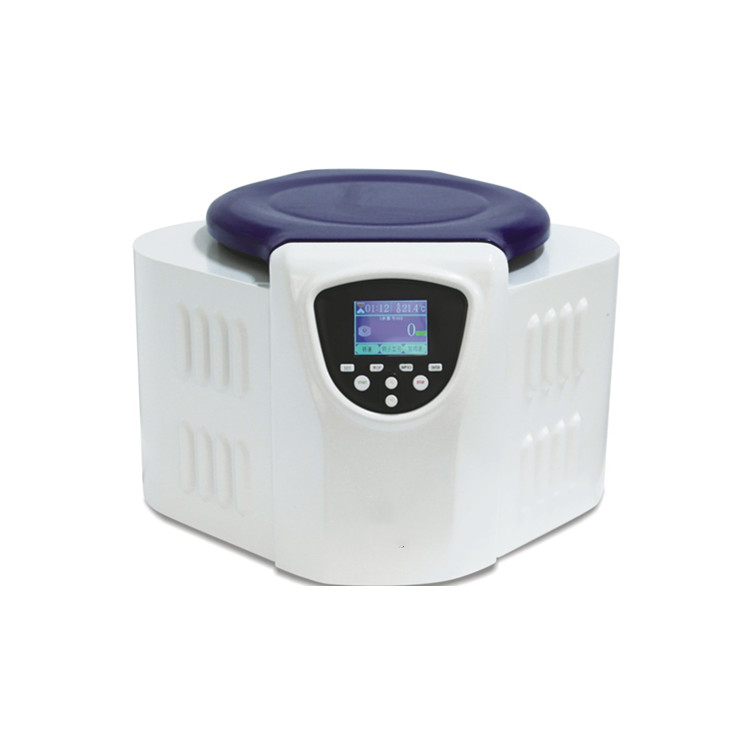
Product Description
please call me , to know more
AI Product Description
*The following content is generated by AI and is for reference only.
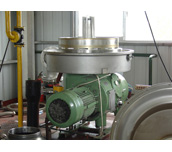
The **GQ Tubular Centrifuge** is a high-speed, high-g-force separation equipment widely used in the pharmaceutical, food, beverage, and chemical industries for separating fine particles or emulsions from liquids. The "GQ" designation typically refers to a specific series or model line (often associated with manufacturers like *Guangzhou Qianfeng* or similar regional industrial suppliers in China), though the core technology follows the standard principles of tubular bowl centrifugation.
Here is a detailed overview of its working principle, key features, applications, and operational considerations:
### 1. Working Principle
A tubular centrifuge operates on the principle of **sedimentation under high centrifugal force**.
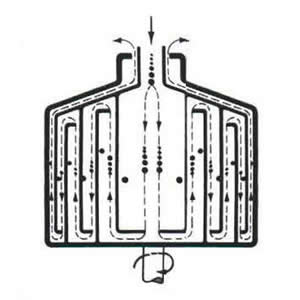
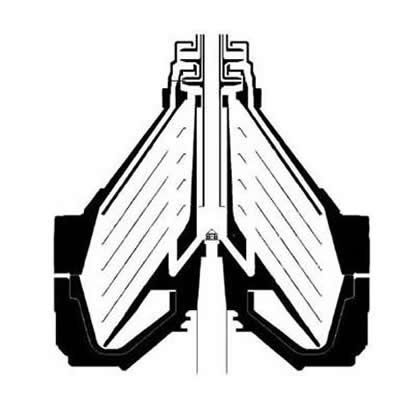
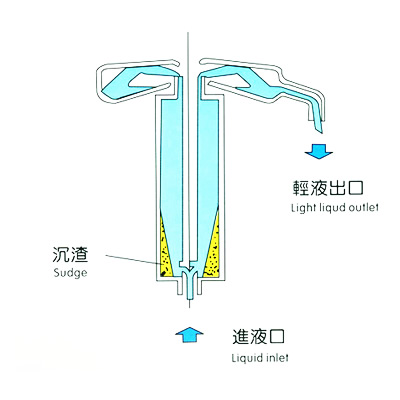
- **Structure**: It consists of a long, narrow cylindrical bowl (the "tubular" part) rotating at very high speeds.
- **Process**: The liquid feed enters through the bottom of the bowl. As the bowl spins (typically reaching speeds of **15,000 to 20,000 RPM**), it generates a centrifugal acceleration of up to **10,000–15,000 g**.
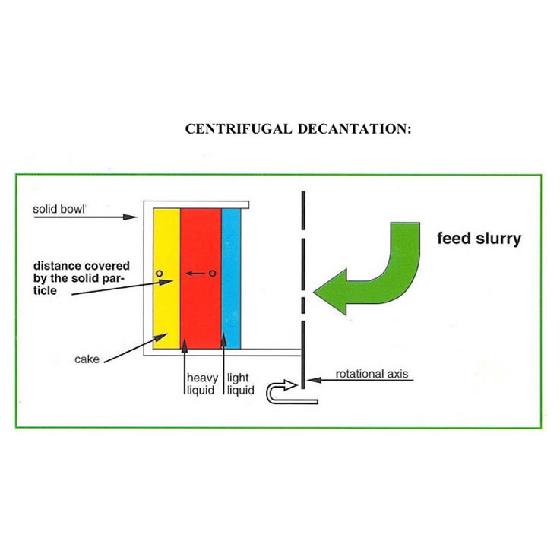
- **Separation**:
- **Solids**: Heavier solid particles are thrown against the inner wall of the bowl, forming a cake.
- **Liquids**: Lighter liquid phases form concentric layers inside the bowl.
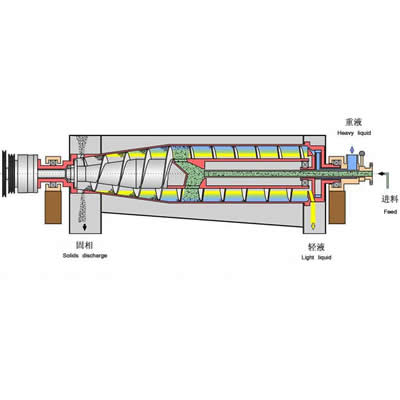
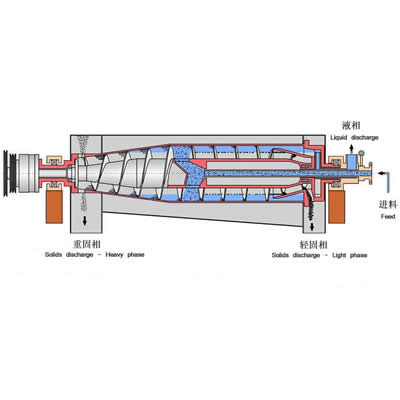
- **Discharge**: In continuous models, solids accumulate until the bowl must be stopped for manual cleaning (batch mode). In semi-continuous or specialized designs, the solids may be scraped out, but most GQ tubular units require periodic shutdown for manual scraping.
### 2. Key Characteristics
- **High Separation Efficiency**: Due to the high rotational speed and long residence time within the narrow bowl, it is exceptionally effective for separating fine particulates (down to 1 micron) and breaking stable emulsions.
- **Small Footprint**: The vertical design allows for a compact installation compared to disc stack centrifuges of similar capacity.
- **Simple Structure**: Easy to clean and maintain, making it suitable for sanitary applications (food/pharma) where hygiene is critical.
- **Batch Operation**: Most standard tubular centrifuges operate in a batch cycle (fill -> separate -> stop -> discharge), which can limit throughput compared to continuous decanters, though this ensures high purity.
### 3. Primary Applications
The GQ Tubular Centrifuge is ideal for processes requiring the removal of very fine impurities:
- **Pharmaceuticals**: Purification of antibiotics, enzymes, vitamins, and serum separation.
- **Food & Beverage**: Clarification of fruit juices, wine, beer, vegetable oils, and starch processing.
- **Chemical Industry**: Removal of catalysts, polymerization reactions, and dye purification.
- **Biotechnology**: Cell harvesting and yeast separation.
### 4. Operational Considerations
- **Maintenance**: Since solids accumulate on the bowl wall, regular manual scraping is required. This necessitates downtime for cleaning.
- **Feed Consistency**: It handles feeds with low solid concentrations best. If the solid content is too high, the bowl will fill up too quickly, reducing efficiency.
- **Safety**: Operating at such high speeds requires strict adherence to safety protocols regarding bowl integrity and balancing.
### Conclusion
The **GQ Tubular Centrifuge** is a robust solution for **high-purity separation tasks** involving fine particles or difficult-to-break emulsions. While it may have lower throughput than disc-stack centrifuges due to its batch nature, its ability to generate extreme g-forces makes it indispensable in industries where product clarity and sterility are paramount.
If you are looking for specific technical specifications (e.g., motor power, bowl dimensions, or specific model numbers like GQ-100 or GQ-150) or need assistance with troubleshooting a specific unit, please provide more details about your application requirements.



 (All Rights Reserved)