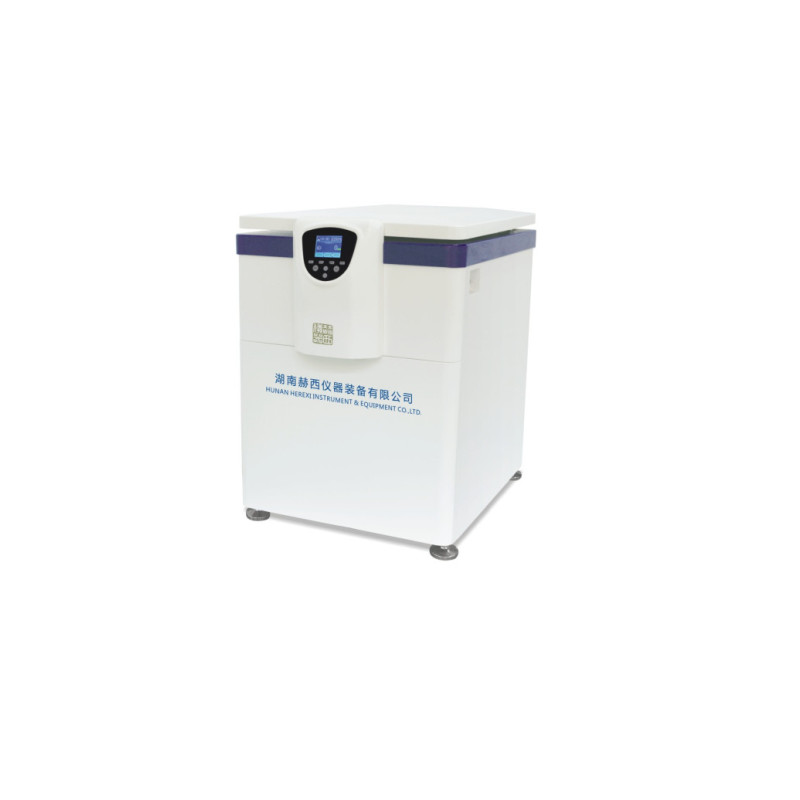
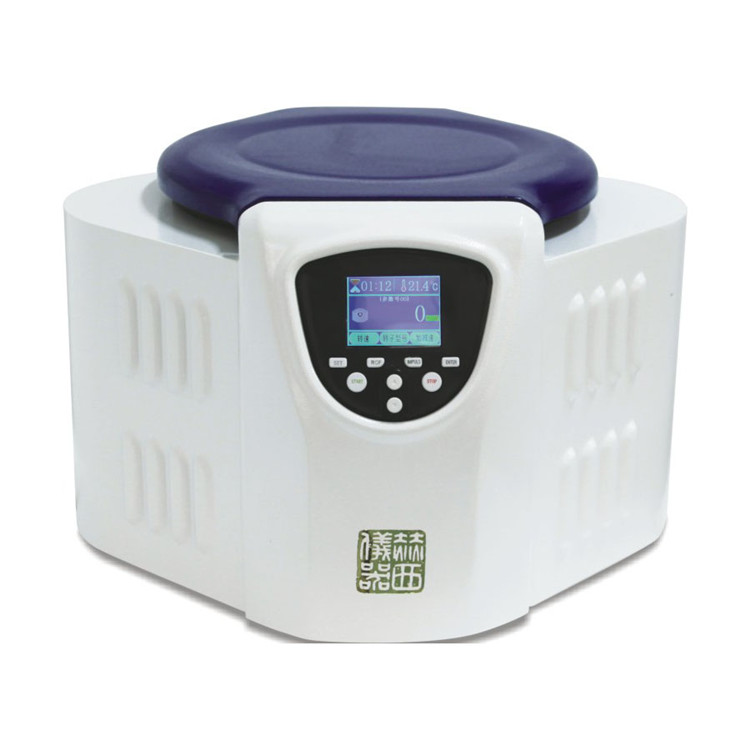
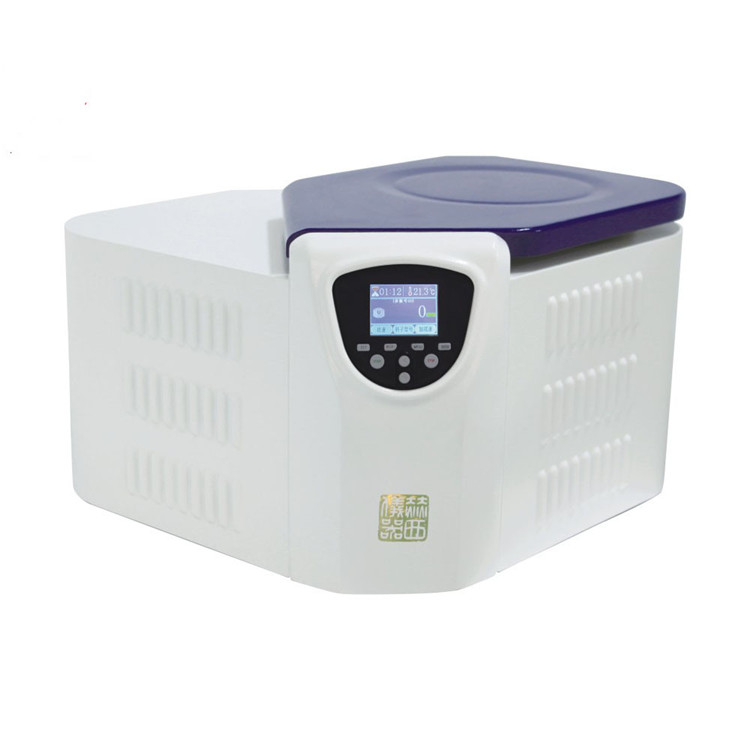
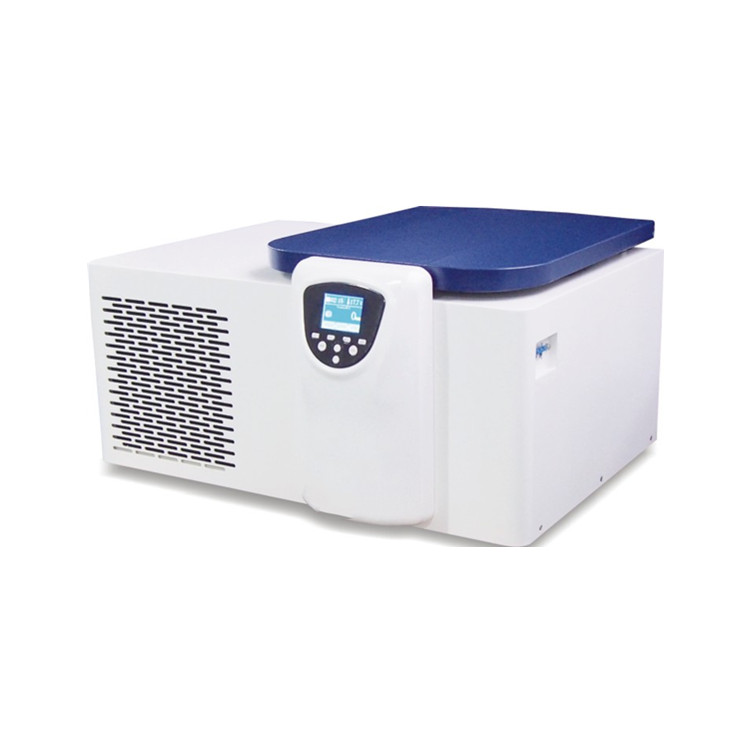
Product Description
please call me , to know more
AI Product Description
*The following content is generated by AI and is for reference only.
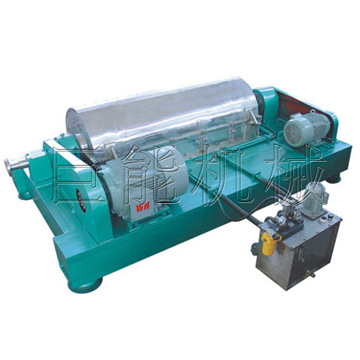
A **Horizontal Scroll Discharge Sedimentary Centrifuge** (often referred to as a **Decanter Centrifuge**) is a high-capacity continuous separation machine widely used in industries requiring the dewatering of slurries or the clarification of liquids. Its unique design combines sedimentation and centrifugal force to separate solids from liquids efficiently without moving parts that require frequent maintenance during operation.
### Core Working Principle
The machine operates on the principle of **centrifugal sedimentation**. Here is how the process unfolds:
1. **Feeding**: The slurry (a mixture of solid particles and liquid) is fed continuously into the center of the rotating bowl through a stationary feed pipe.
2. **Acceleration & Separation**: As the bowl rotates at high speed, centrifugal force drives the heavier solid particles outward against the inner wall of the bowl, forming a "solid cake." Simultaneously, the lighter liquid phase moves toward the center, forming a liquid layer (the "pool").
3. **Scroll Action**: Inside the bowl, a concentric screw (scroll) rotates at a slightly different speed than the bowl itself (creating a small differential speed). This relative motion pushes the settled solids along the conical beach section of the bowl toward the discharge end.
4. **Discharge**: The solids are discharged horizontally from the narrow end of the bowl (hence "horizontal scroll"), while the clarified liquid overflows through adjustable weirs at the opposite end.
### Key Components
* **Bowl**: A cylindrical-conical drum made of stainless steel or specialized alloys, designed to withstand high G-forces.
* **Scroll (Screw)**: A helical flight inside the bowl that conveys solids. It is supported by bearings and driven by a variable frequency drive (VFD) to control the differential speed.
* **Differential Drive System**: Typically a hydraulic or gear-driven system that maintains the precise speed difference between the bowl and the scroll.
* **Weir Plates**: Adjustable plates at the liquid outlet that control the depth of the liquid pool, allowing operators to optimize separation efficiency based on particle size and density.
* **Housing/Drive Unit**: Encloses the mechanism and provides power transmission.
### Advantages
* **Continuous Operation**: Unlike batch filters, it runs 24/7, making it ideal for large-scale industrial processes.
* **High Solids Recovery**: Capable of handling difficult-to-dewater materials with high fine-particle content.
* **Low Maintenance**: Fewer moving parts compared to filter presses; no filter cloths to replace.
* **Versatility**: Can be configured for various applications including wastewater treatment, chemical processing, mining, and food production.
* **Automation**: Fully automated systems allow for real-time monitoring of flow rates, differential speeds, and torque.
### Common Applications
| Industry | Application Example |
| :--- | :--- |
| **Wastewater Treatment** | Dewatering municipal sewage sludge, industrial effluent treatment. |
| **Mining & Minerals** | Dewatering coal tailings, iron ore concentrates, and phosphate slurries. |
| **Chemical/Petrochemical** | Catalyst recovery, polymer drying, oil-water separation. |
| **Food & Beverage** | Starch dewatering, fruit juice clarification, beer brewing waste. |
| **Pharmaceutical** | Antibiotic crystallization, protein precipitation. |
### Operational Considerations
To maximize efficiency, operators must carefully balance three main parameters:
1. **Feed Rate**: Too high reduces residence time, leading to poor separation; too low reduces throughput.
2. **Differential Speed**: Affects the residence time of solids in the bowl. Slower differential speeds generally yield drier cakes but reduce capacity.
3. **Pool Depth**: Controlled by weir adjustment. Deeper pools improve clarification but may reduce solids dryness, while shallower pools increase dryness but risk liquid carryover.
If you have a specific application in mind (e.g., treating a particular type of sludge) or need technical specifications (like G-force, capacity, or material compatibility), feel free to provide more details for a tailored analysis.



 (All Rights Reserved)