Indole-3-carbinol
Product Information:
Other name: I3C,3-INDOLYLMETHANOL,INDOLE-3-METHANOL,3-IndoleCarbinol
CAS:700-06-1
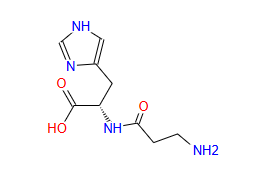
Molecular Formula::C9H9NO
Molecular Weight::147.17
Melting point:88~94ºC (dec.)
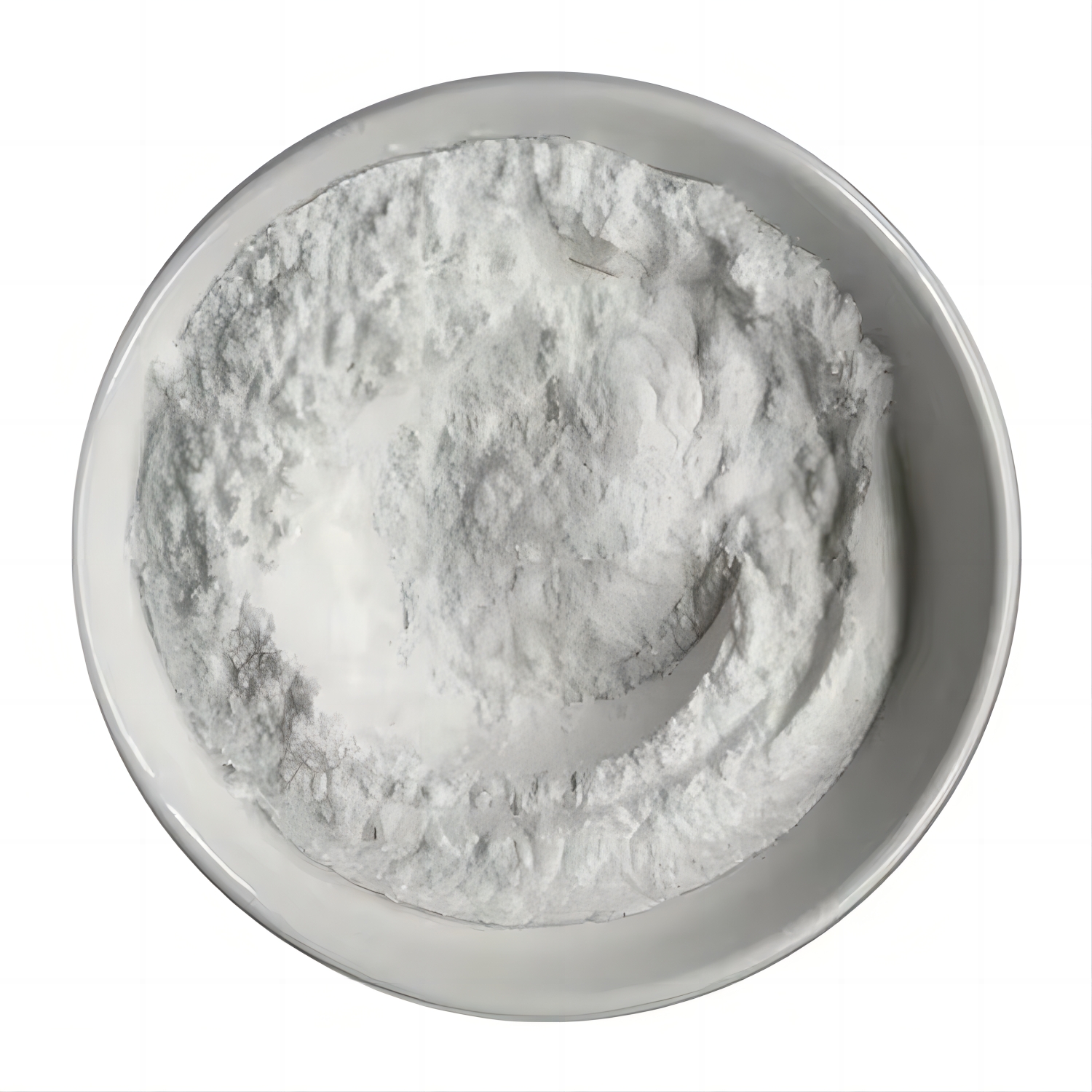
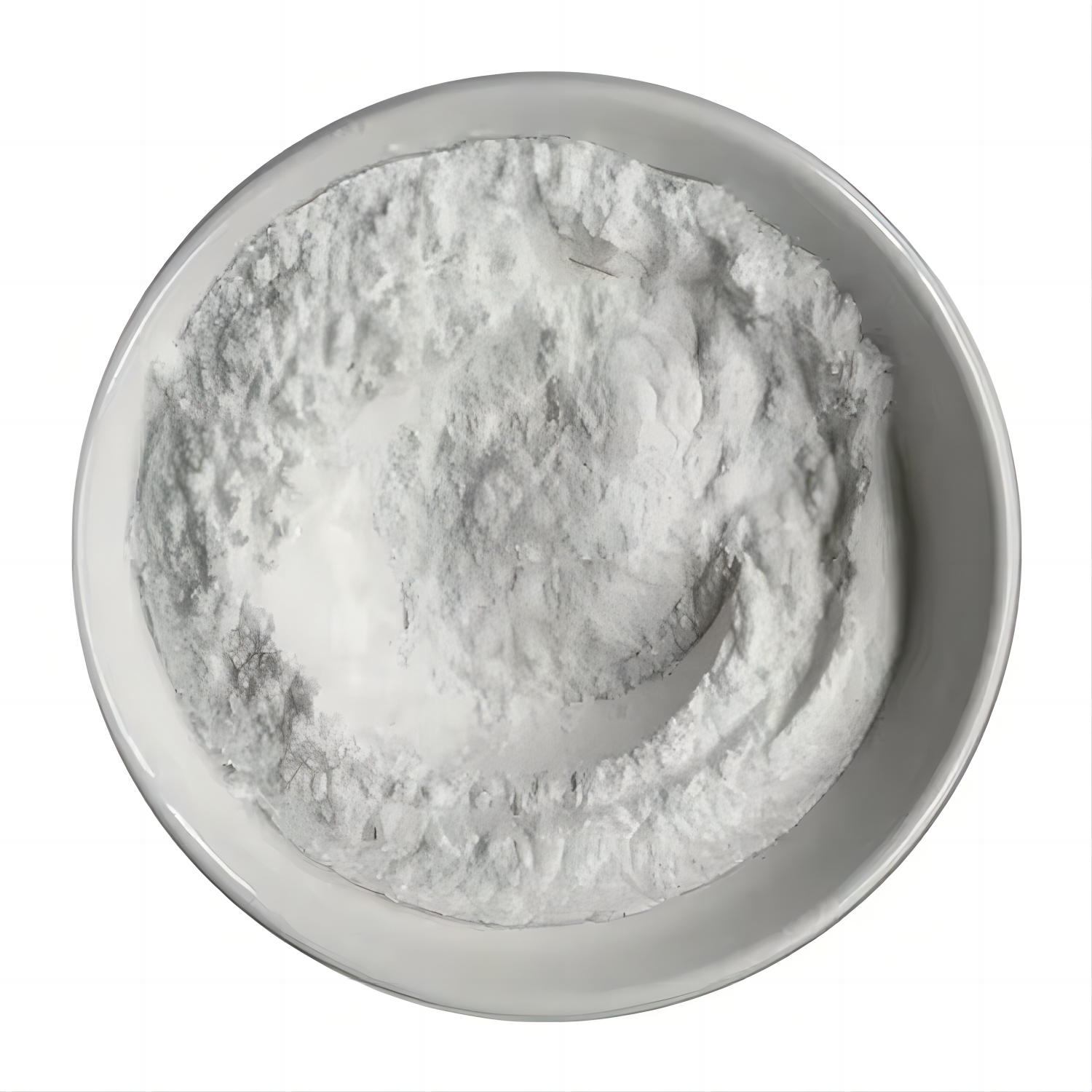
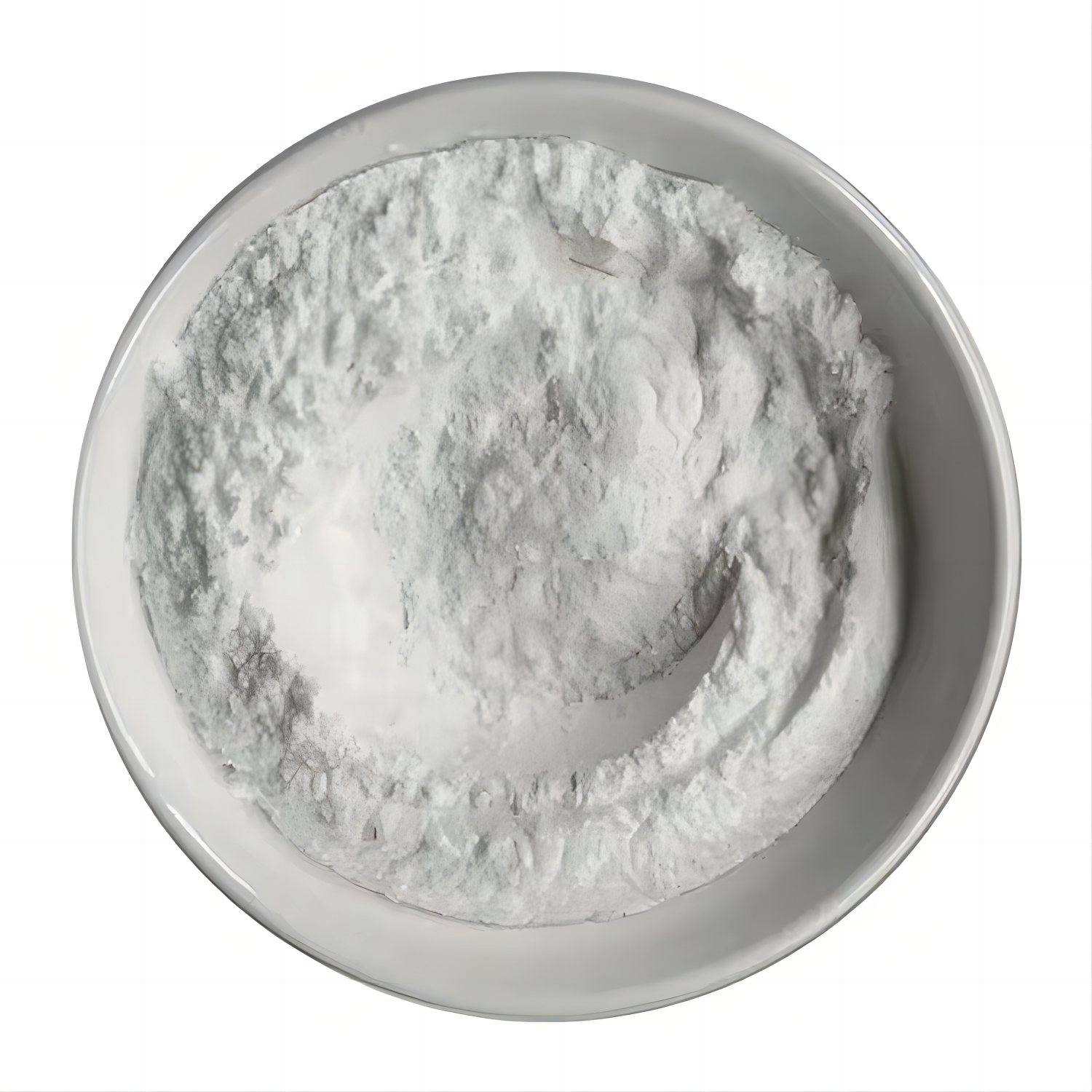
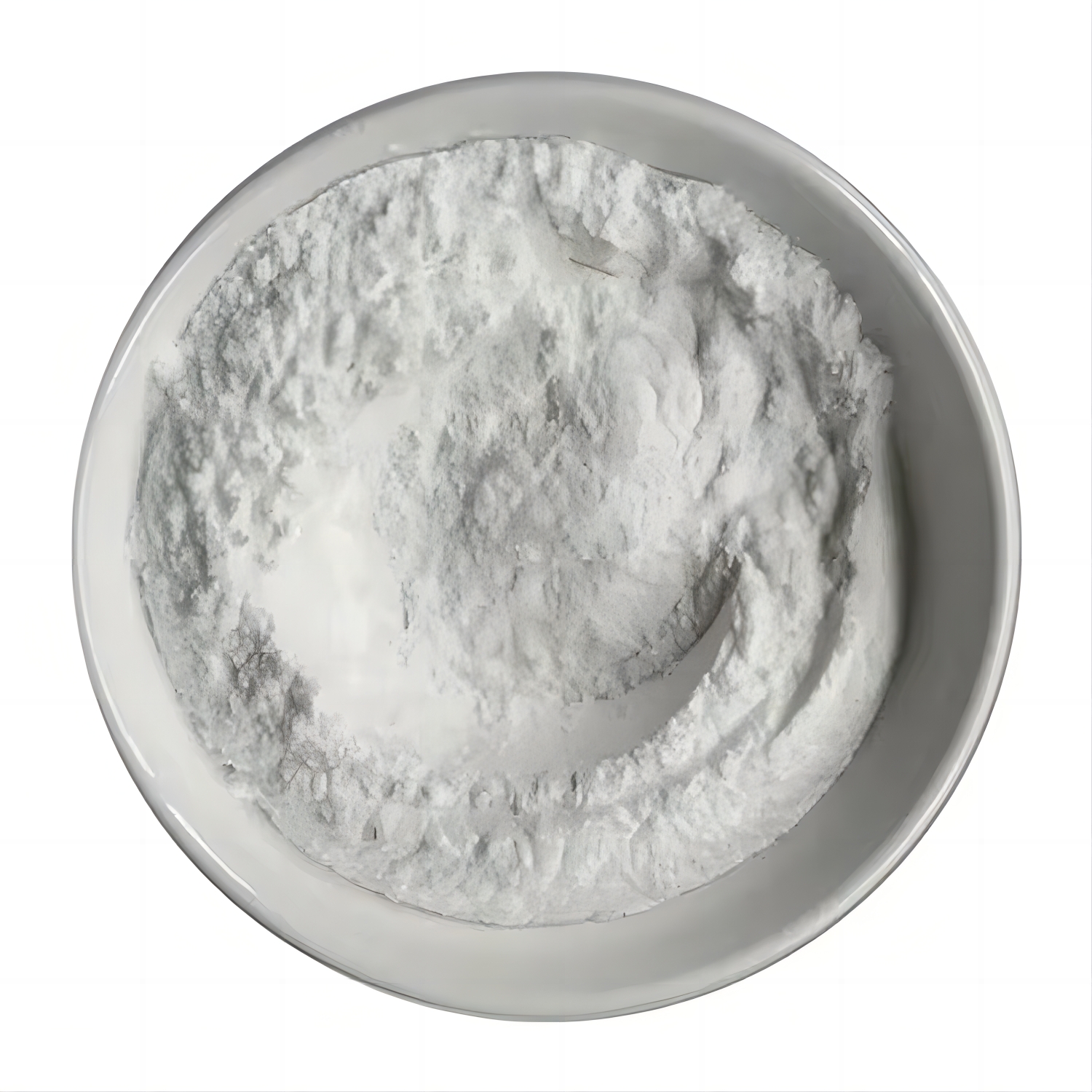
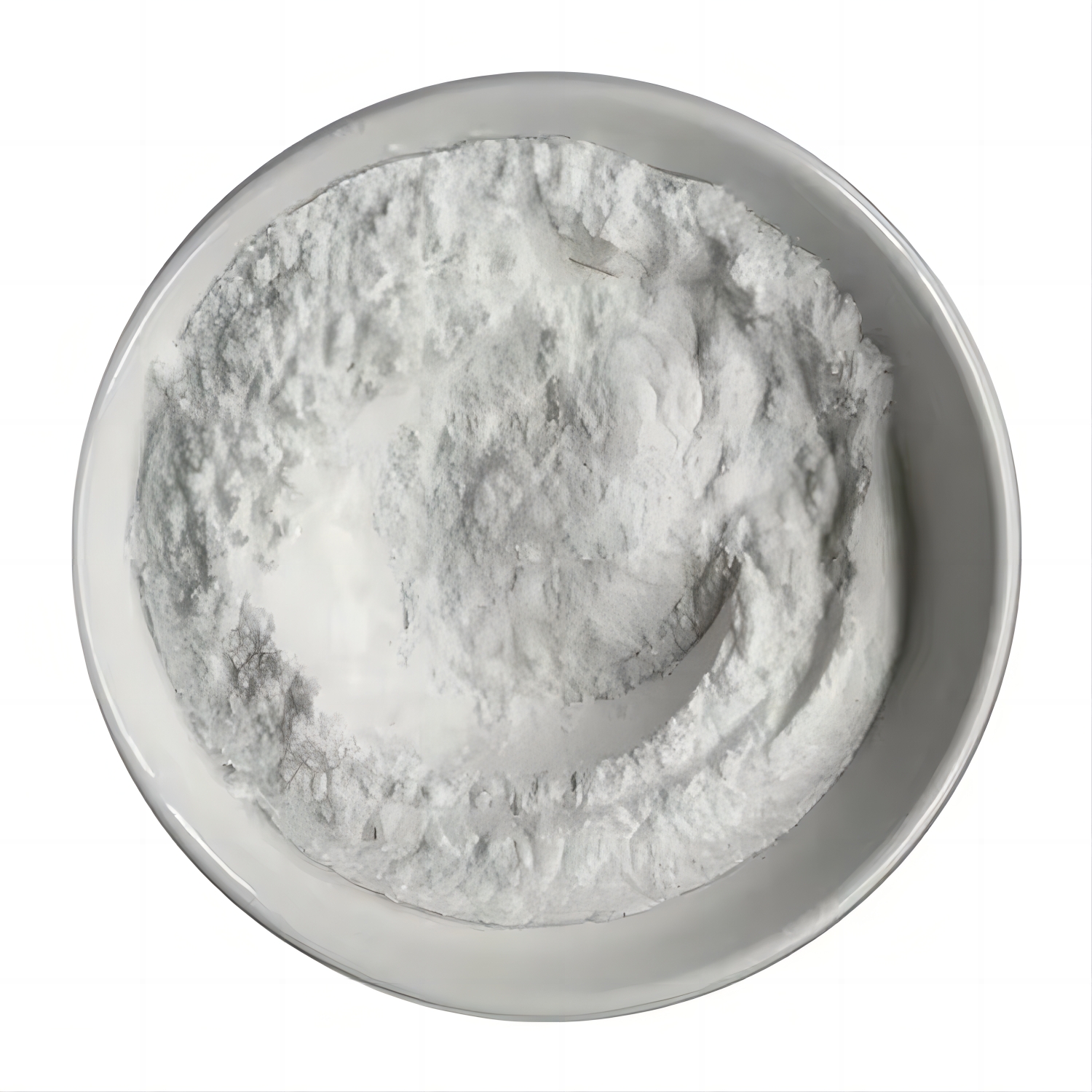
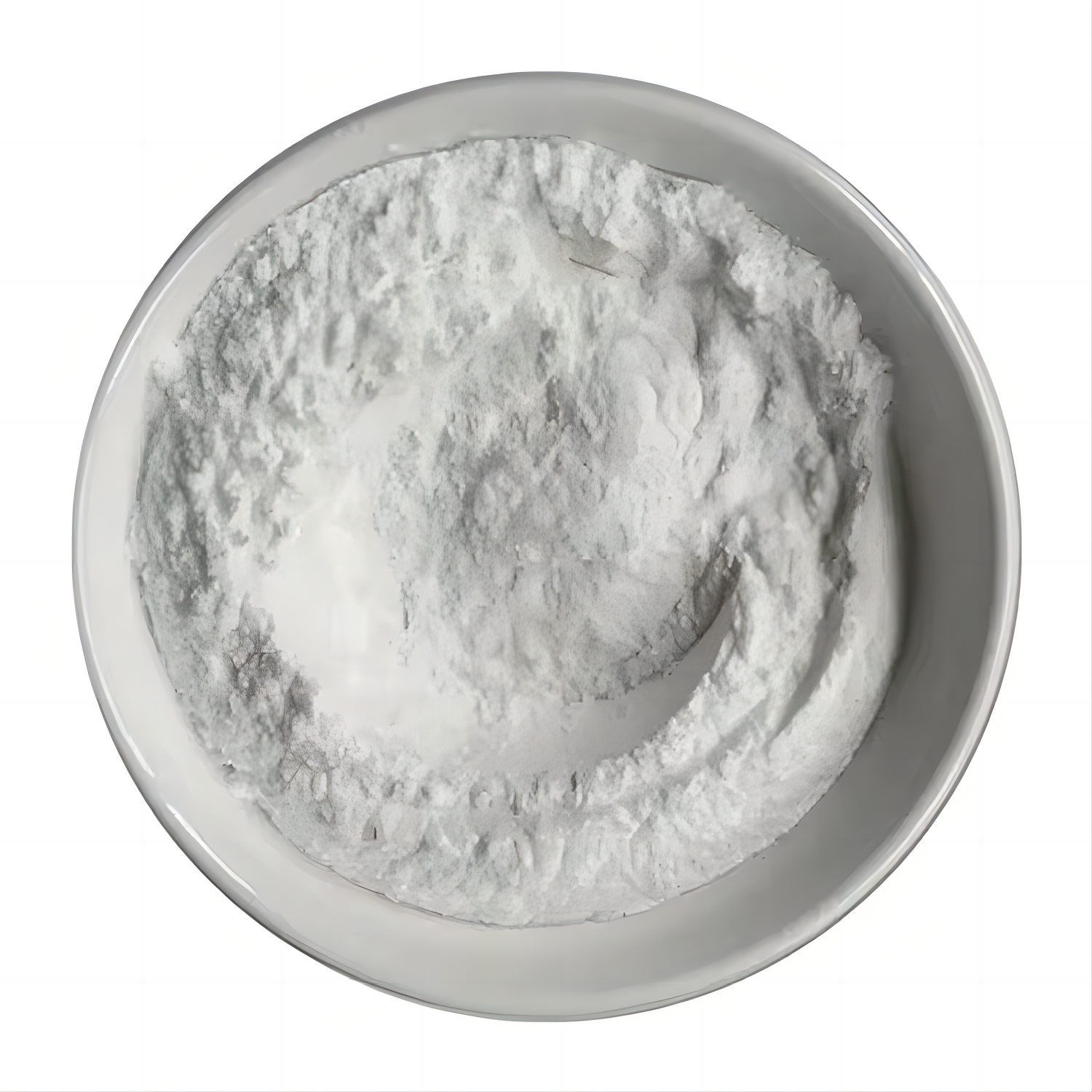
Appearance: White powder
Heavy metals: <10PPM
Soublity:Very slightly soluble in ethanol
Product Description:
Indole-3-carbinol(C9H9NO) is produced by the breakdown of glucosinolates, which are found in relatively high concentrations in cruciferous vegetables such as broccoli, cabbage, cauliflower, Brussels sprouts, kale and collards. Indole-3-methanol is also found in dietary supplements. Indole-3-methanol is the subject of ongoing biomedical studies on its possible anticancer, antioxidant, and antiatherosclerotic effects.
Indole-3-carbinol can convert estrogen metabolism to estrogen metabolites. Indole-3-methanol has an effect on human papillomavirus-infected cells in pediatric and adult patients.
Uses, benefits, Side Effects
1. Prevention and treatment of cancer;
2. It may have an effect on HPV infected cells in children and adult patients;
3. Antioxidant;
4. The cancer;
5. Anti-atherosclerosis.
No side effects known in the concentrations used.
Application
This products can be widely applied in nutrient supplements, medicine, reagent, fine chemical industry, and additive of food and beverages industry etc.
*The following content is generated by AI and is for reference only.
Overview
Indole-3-carbinol (I3C) is a lipophilic organic compound derived from cruciferous vegetables, characterized by its high thermal stability and specific crystalline structure. Manufactured via controlled enzymatic hydrolysis of glucosinolates, it serves as a critical precursor in pharmaceutical synthesis.
Application
- Pharmaceutical Manufacturing: Utilized in tablet compression lines and fluid bed coaters for oncology drug formulation.
- Nutraceutical Processing: Integrated into automated encapsulation systems and powder mixing silos.
- Research Laboratories: Standard reagent for HPLC analysis columns and cell culture incubators.
Precautions
- Storage: Maintain ambient temperature between 15°C and 25°C with relative humidity below 40%.
- Handling: Ensure inert atmosphere during transfer to prevent degradation under light exposure.
- Maintenance: Clean stainless steel hoppers weekly to avoid cross-contamination and residue accumulation.




 (All Rights Reserved)