L-5-Methyltetrahydrofolate calcium
Product Information:
Other name:Levomefolate calcium; CALCIUML-5-METHYLTETRAHYDROFOLATE; Calcium levomefolate
CAS: 151533-22-1
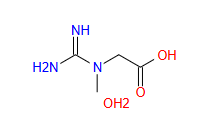
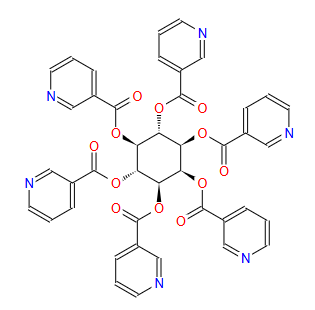
Molecular Formula:C20H23CaN7O6
Molecular Weight:: 497.5179
Source: Synthetic
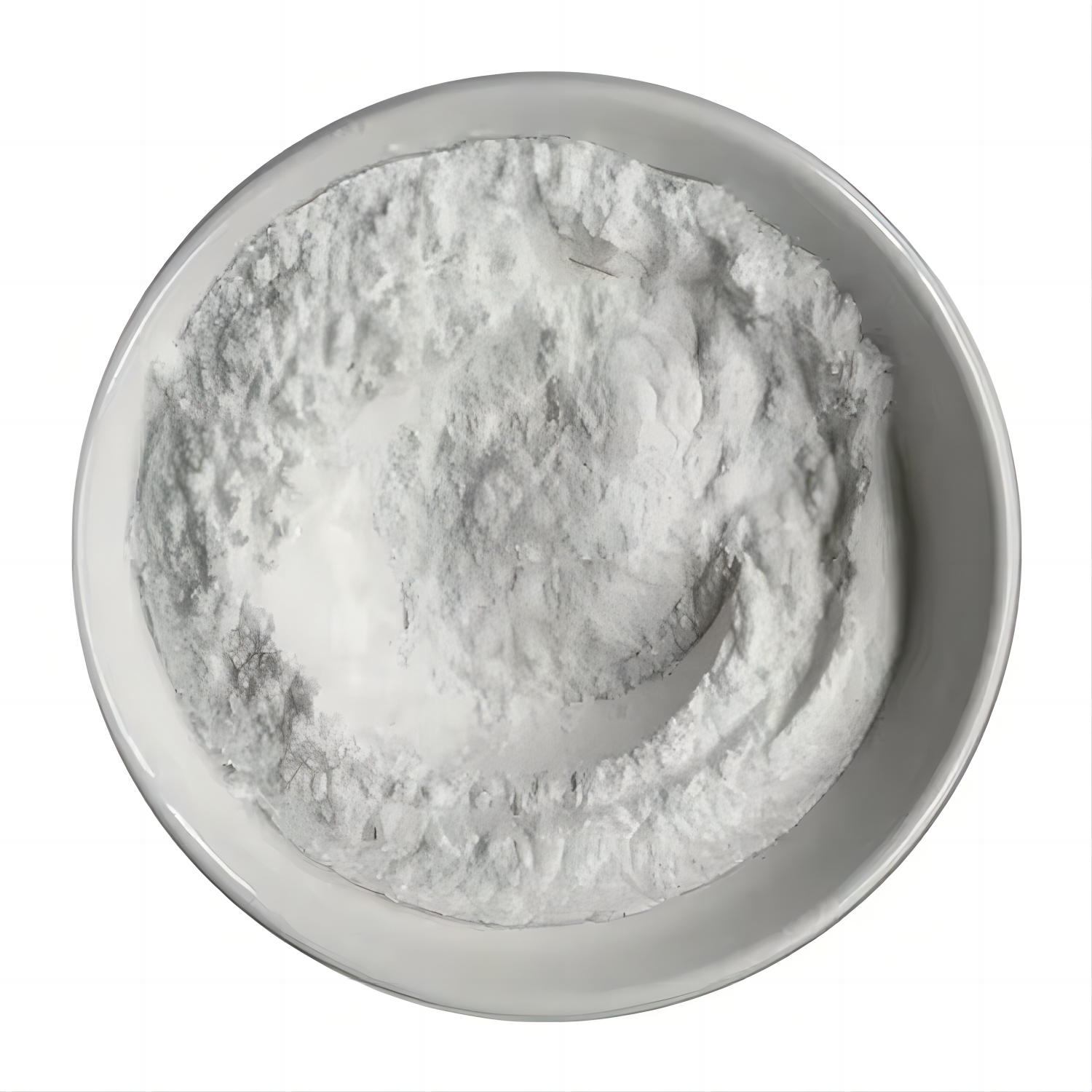
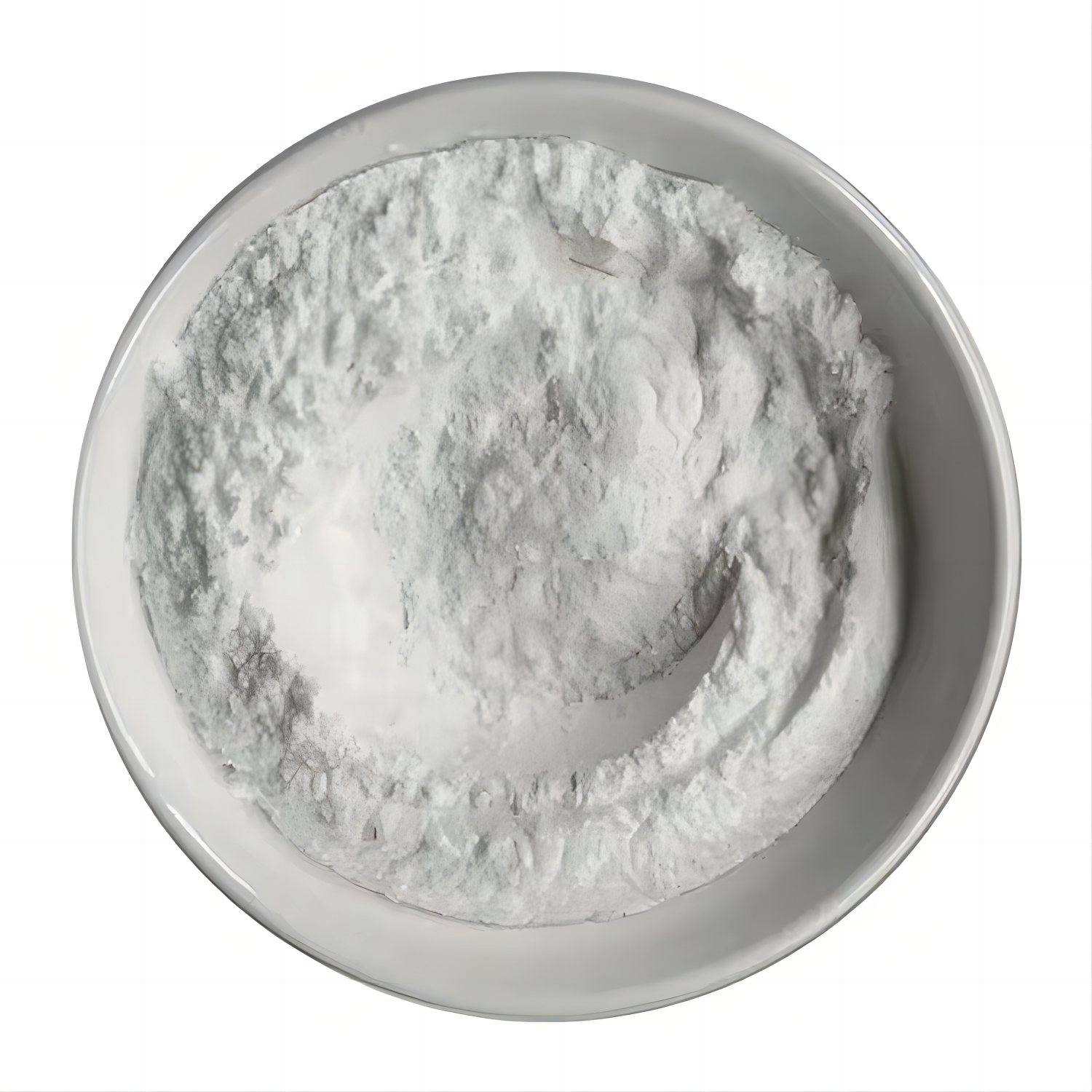
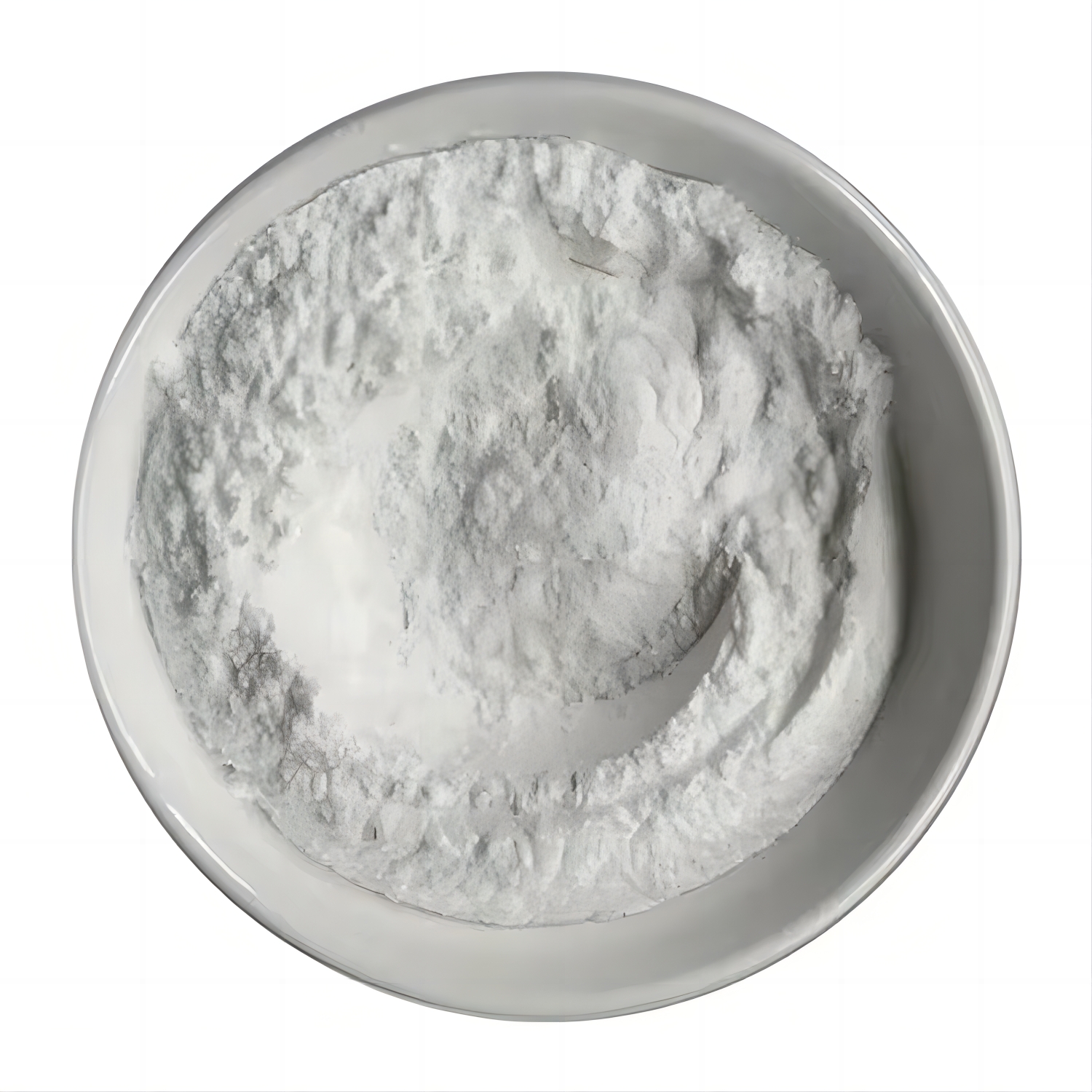
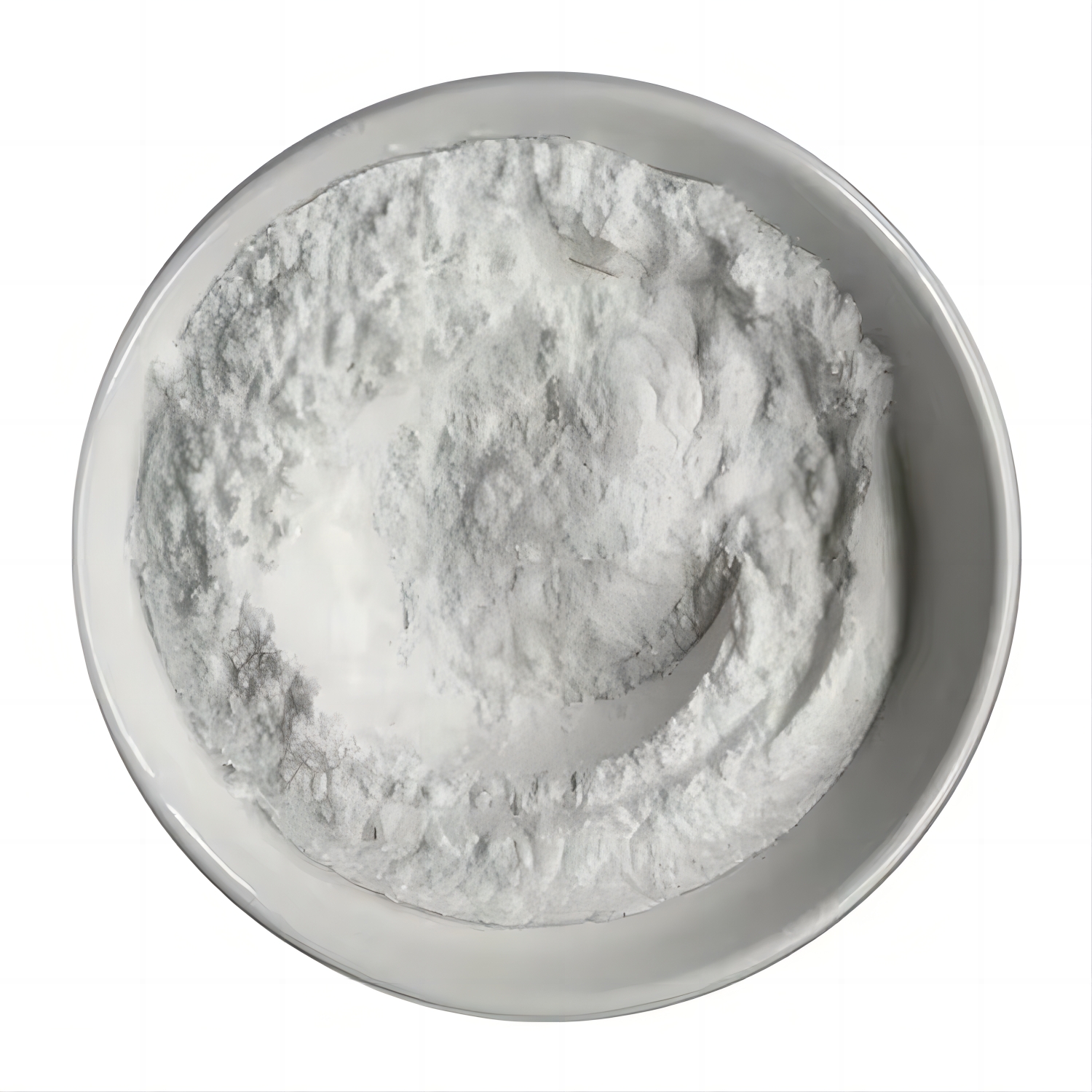
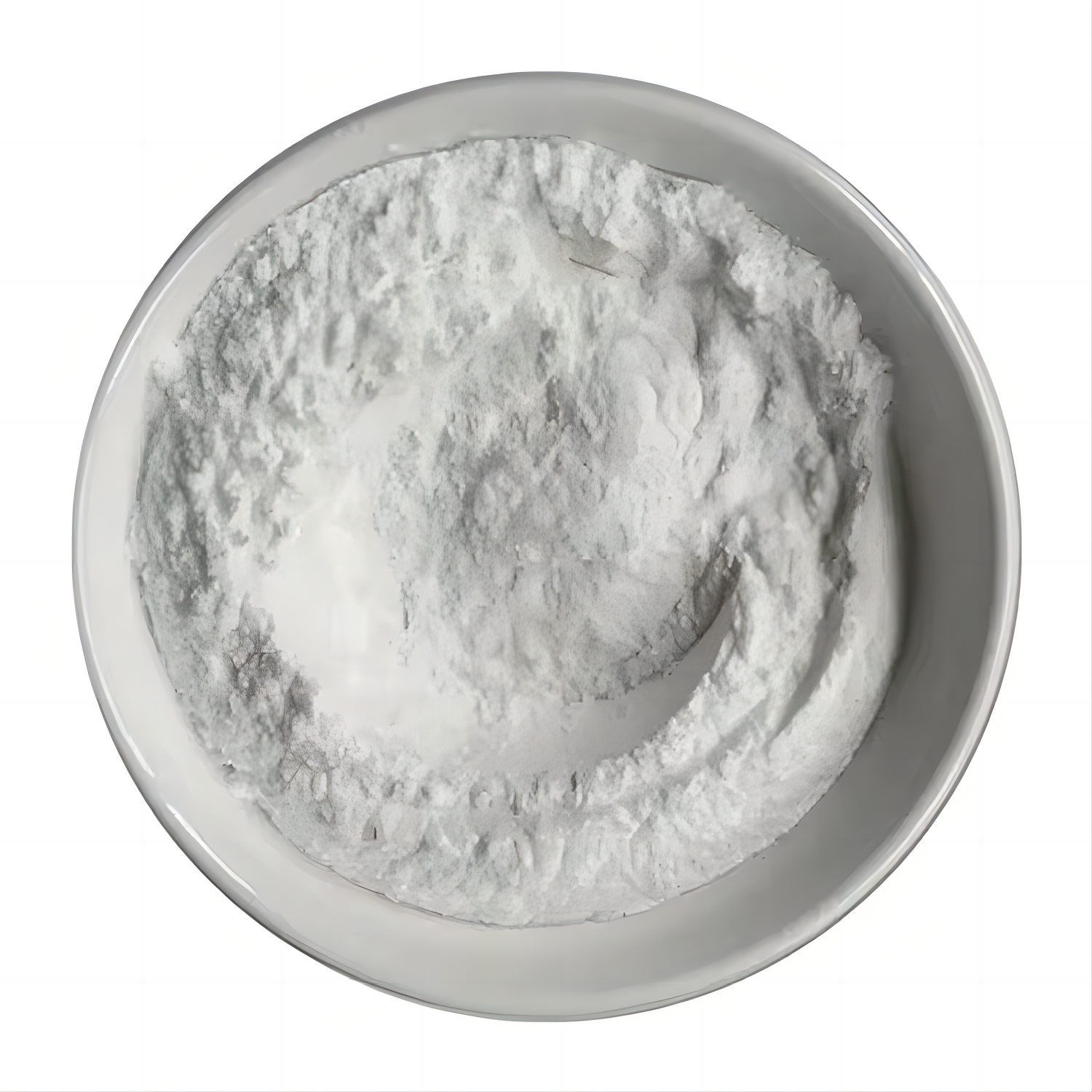
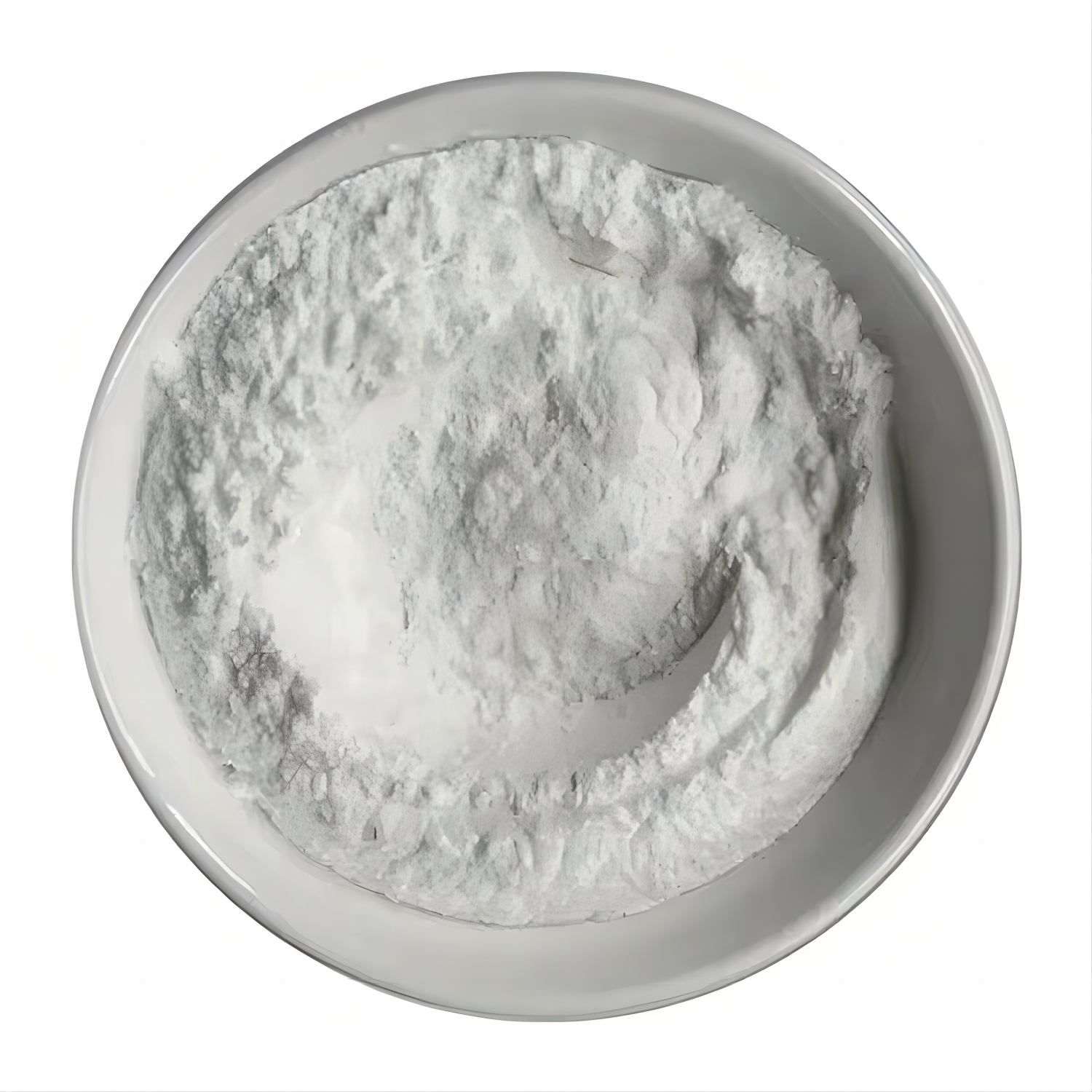
Appearance: White powder
Melting point:≥300℃
Assay :≥99.0%
Heavy metals: <10PPM
Product Description:
This product is L-5- methyl tetrahydrofolate calcium salt, belongs to folic acid group vitamin (vitamin B9, folic acid), it is a coenzyme form of folic acid. l-5- methyl tetrahydrofolate calcium (5- mtChemicalbookhf) is a naturally occurring form of salt-forming methyl derivative of folic acid .5- mthf is also called levomethyl folic acid. It is the most bioactive and functional form of folic acid and is more easily absorbed than ordinary folic acid.
Uses, benefits, Side Effects
lack of folic acid reduces the ability of cells to synthesize and repair DNA. supplementation of folic acid may be a more favorable way to increase folic acid and reduce homocysteine levels, and to support normal cells to increase Chemicalbook colonization and vascular endothelial function. cardiovascular disease, nervous system function, especially during pregnancy of 5- MTHF during pregnancy have been shown to reduce the risk of neural tube malformation and recurrence.
Application
Antenatal care, homocysteine control, medication for depression, dementia and cardiovascular disease.
*The following content is generated by AI and is for reference only.
Overview
L-5-Methyltetrahydrofolate calcium is the stable calcium salt form of (6S)-5-methyltetrahydrofolate, serving as the primary bioactive folate in biological systems. Manufactured via enzymatic conversion or chemical synthesis with high optical purity, it functions as a methyl donor cofactor.
Application
- Pharmaceutical Manufacturing: Automated tablet presses and capsule filling lines for nutraceuticals.
- Food Processing: Continuous flow mixers and extruders in fortified flour and beverage production.
- Biotechnology: Bioreactors and cell culture media preparation systems.
Precautions
- Storage: Maintain temperature below 25°C and relative humidity under 40% to prevent hydrolysis.
- Handling: Avoid exposure to direct UV light and extreme pressure fluctuations.
- Maintenance: Regularly inspect sealing gaskets and filtration units for particulate contamination.



 (All Rights Reserved)