Category:
Other Excipients
CAS NO:
-
Standard:
In-house Standards,

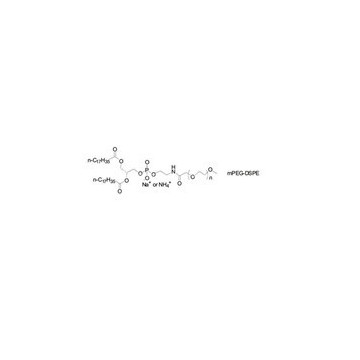
A liposome is an artificially-prepared vesicle composed of a lipid bilayer. The liposome can be used as a vehicle for administration of nutrients and pharmaceutical drugs.
However, one of the drawback is that most liposomes intravenously injected into animals are rapidly removed from the blood circulation by uptake primarily in the cells of reticuloendothelial system (RES). It has been found that PEG-liposome are not readily taken up by the macrophages in the RES and hence stay in the circulation for a relatively long period of time.
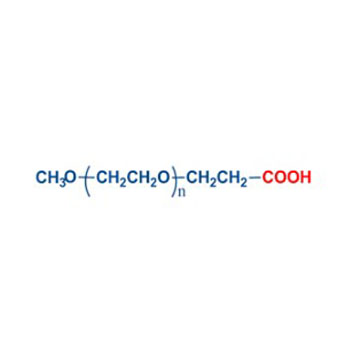
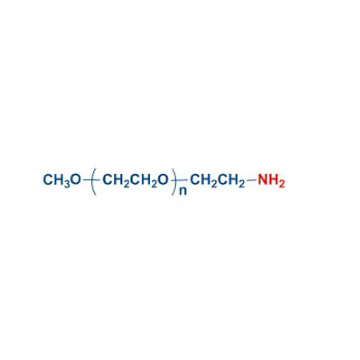
Polyethylene glycol liposomes are advanced drug delivery systems where phospholipid vesicles are surface-modified with PEG (Polyethylene Glycol) to enhance circulation time. The core process involves extrusion or sonication of lipid bilayers encapsulating therapeutic agents, followed by PEGylation via distearoylphosphatidylethanolamine-PEG conjugates.
Strictly store below -20°C in lyophilized form to prevent aggregation. Clinical use requires monitoring for hypersensitivity reactions due to potential anti-PEG antibodies. Avoid repeated freeze-thaw cycles which compromise structural integrity.


 (All Rights Reserved) (All Rights Reserved)