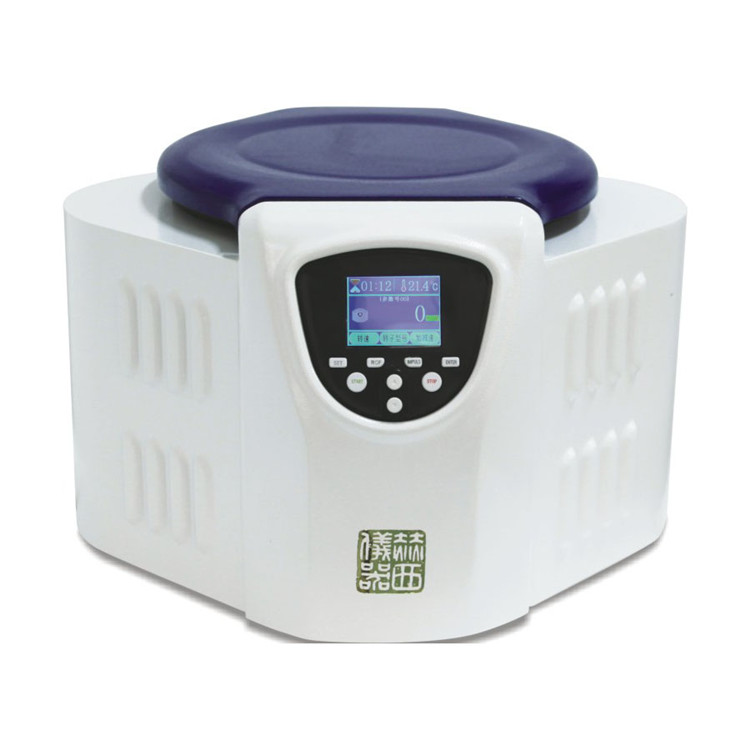
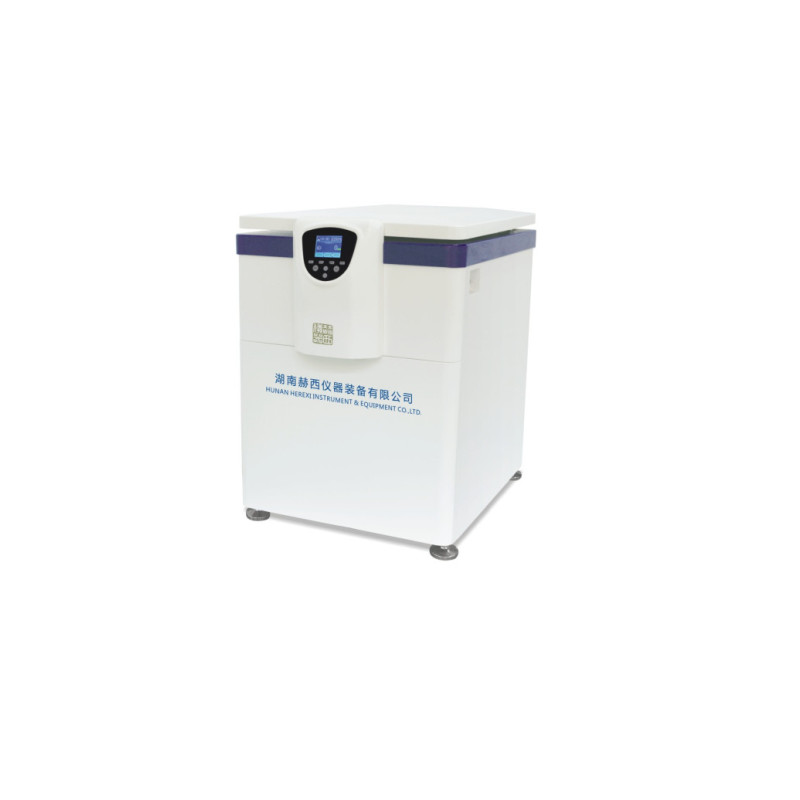
Product Description
please call me , to know more
AI Product Description
*The following content is generated by AI and is for reference only.
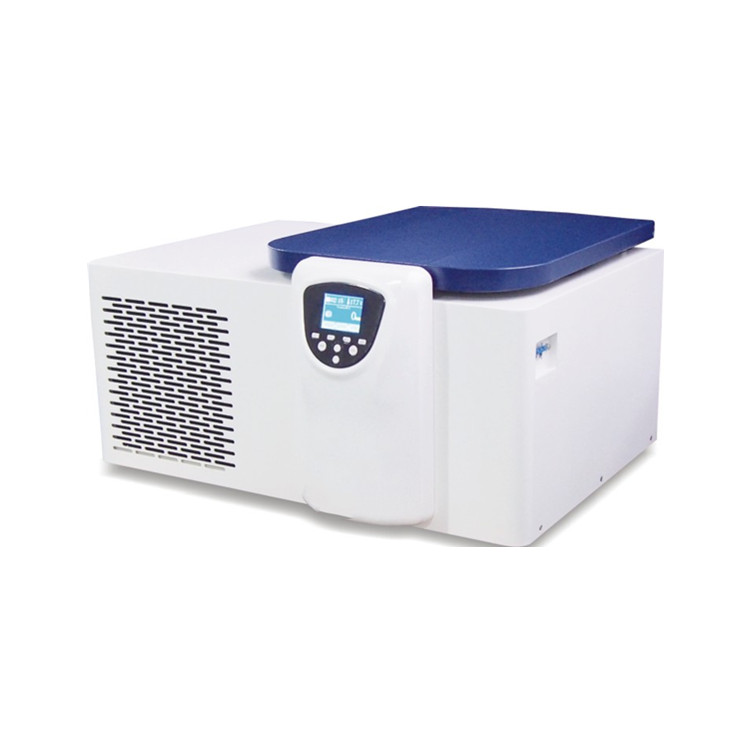
A **Siphonic Centrifuge** is a specialized type of industrial centrifuge that combines the separation principles of a standard basket centrifuge with a **siphon mechanism** to enhance efficiency, particularly for fine solids or difficult-to-dewater slurries.
Here is a detailed breakdown of how it works, its key features, and applications:
### 1. Core Working Principle
In a standard decanter or basket centrifuge, liquid (filtrate) flows out through openings in the basket wall or a separate discharge system. In a **siphonic centrifuge**, the design allows the liquid level inside the spinning basket to be raised significantly above the normal overflow line without leaking.
* **The Siphon Effect**: The machine utilizes a sealed chamber where the liquid level is maintained at a height determined by the siphon tube or internal geometry. As the basket spins, the hydrostatic pressure increases due to the height of the liquid column.
* **Enhanced Filtration**: This elevated liquid head creates a higher pressure differential across the filter medium (cloth or screen). This forces more liquid through the cake faster than gravity or standard centrifugal force alone would allow, resulting in a drier cake and clearer filtrate.
### 2. Key Components & Design Features
* **Sealed Basket**: Unlike open-basket centrifuges, the siphonic unit is hermetically sealed to maintain the vacuum or pressure required for the siphon action.
* **Siphon Tube/Channel**: A specific internal channel or external piping arrangement that controls the liquid level and prevents leakage until the desired level is reached.
* **High-Speed Drive**: These machines often operate at high speeds to generate the necessary G-force to push liquid through the dense cake formed under the siphon pressure.
* **Automatic Discharge**: Once the cycle is complete, the seal is broken or the cake is scraped/blasted away, and the liquid is drained.
### 3. Advantages
* **Drier Cake**: The increased pressure differential squeezes more moisture out of the solid particles, reducing the final moisture content of the product.
* **Higher Throughput**: Because filtration happens faster due to the added pressure, the cycle time can be reduced, increasing production rates.
* **Clearer Filtrate**: The extended residence time and higher pressure help trap finer particles, resulting in a cleaner liquid output.
* **Handling Fine Solids**: It is particularly effective for suspensions containing very fine particles that might otherwise blind (clog) a standard filter cloth quickly.
### 4. Common Applications
Siphonic centrifuges are typically used in industries where high purity and low moisture content are critical:
* **Chemical Industry**: Separating crystalline products (e.g., salts, pharmaceuticals) from mother liquor.
* **Food Processing**: Dewatering sugar, starch, or vegetable proteins.
* **Mineral Processing**: Concentrating fine ores or tailings.
* **Environmental**: Sludge dewatering where low residual moisture is required for disposal or further processing.
### Summary
The **Siphonic Centrifuge** is an optimization of traditional centrifugation technology. By utilizing a siphon to create an artificial "head" of liquid, it generates extra filtration pressure, making it superior for applications requiring **very dry cakes** and **highly clarified liquids** from challenging slurries.

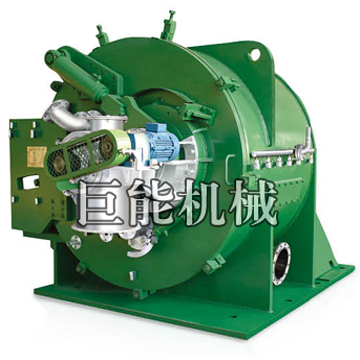


 (All Rights Reserved)